
February 16, 2026/
No Comments
Dr. Gabor Maté and Ayahuasca Healing: Trauma, Wholeness and the True Self Dr. Gabor Maté and Ayahuasca Healing: Trauma, Wholeness...

“8 Ayahuasca Books You Should Read” explores essential literature that deepens your understanding of ayahuasca, sacred plants, and integration, offering profound insights into healing, spirituality, and personal transformation.
The ayahuasca experience is far more than a ceremony. In reality, it represents a profound confrontation with the deepest layers of the self.
In “8 Books About Ayahuasca You Should Read,” we explore essential literature that goes beyond dominant narratives. These texts offer critical perspectives, challenge conventional thinking, and expand our understanding of sacred plant medicine.
Whether you are preparing for your first ceremony or seeking to deepen your knowledge of plant medicine, the right book can become a powerful tool for transformation. Moreover, if you are looking to integrate past experiences, thoughtful reading can provide clarity and direction.
Many people believe the most important part of working with ayahuasca happens during the ceremony itself. However, the real process begins afterward. It is then that visions must translate into action and spiritual insights into tangible changes in everyday life.
These books do more than recount psychedelic journeys. Instead, they explore Indigenous traditions, the deeper meaning of the ayahuasca experience, and the ways this sacred plant can support healing and self-discovery.
If you wish to understand ayahuasca beyond surface-level discussions, this selection will help you cultivate a richer, more conscious, and integrated relationship with the medicine.
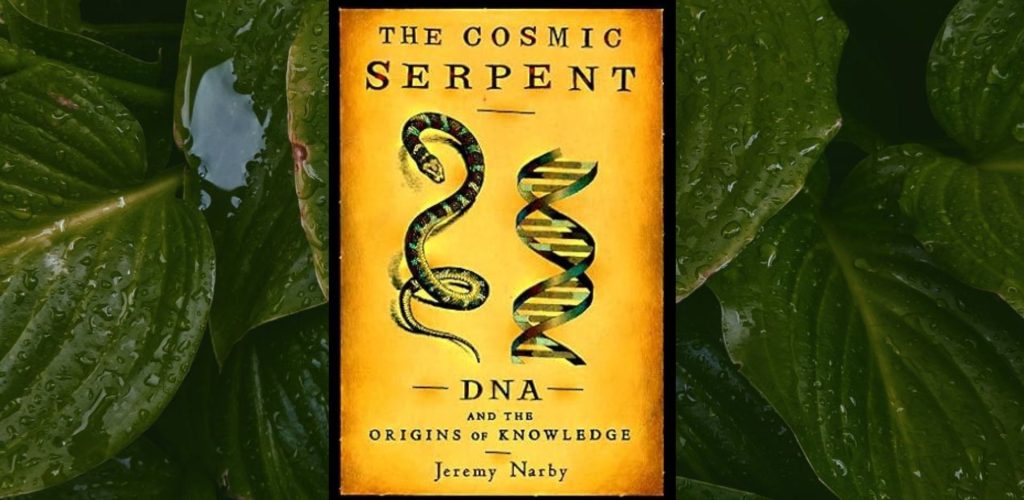
What if ayahuasca visions contain scientific knowledge encoded in ways Western minds have not yet understood?
In The Cosmic Serpent, anthropologist Jeremy Narby challenges conventional science with a bold proposal. He suggests that Indigenous shamans and molecular biologists may be uncovering the same truths — simply through different methods.
Throughout the book, Narby explores how shamans, through their relationship with sacred plants, may access biological information directly. He describes visions involving DNA structures, cellular communication, and a form of ecological intelligence that modern science is only beginning to explore.
In this way, the book raises an uncomfortable but fascinating question: what if visionary experiences are not merely symbolic, but informational?
This work is essential for readers who wish to question rigid scientific paradigms. Moreover, it invites us to consider that ayahuasca ceremonies may represent encounters with an ancient form of knowledge.
For seekers interested in bridging science and plant wisdom, this book offers a daring and transformative perspective.
Ayahuasca: Medicine of the Soul of the Amazon Jungle, by Javier Regueiro, is not just another book about the ayahuasca experience. Rather, it is a practical and deeply personal guide for those who wish to approach this sacred medicine with respect and clear intention.
Unlike many accounts that focus only on the ceremony itself, Regueiro provides invaluable insight into the emotional, physical, and energetic dimensions of the entire process. In other words, he addresses preparation, the ceremonial experience, and post-retreat integration.
In addition, the author explores the most common fears, challenges, and misconceptions that newcomers often face. For this reason, the book is especially helpful for first-time participants who want to understand what they are stepping into.
However, the work goes beyond being a simple guide. It invites readers to see ayahuasca as a teacher. As a result, it emphasizes that real transformation does not end when the ceremony concludes. Instead, it unfolds through the conscious work that follows.
For those seeking a serious and respectful introduction to the medicine, this book offers clarity, grounded guidance, and a deeply integrative perspective.
Many people approach ancestral medicine books in search of mystical visions. However, Dr. Joe Tafur offers something different.
In The Fellowship of the River, he explores the deep connection between emotions, trauma, and physical health. Importantly, he bridges Western medicine and Amazonian shamanism in a grounded and accessible way.
As a medical doctor who later became an ayahuasca practitioner, Tafur shares first-hand healing experiences. Moreover, he presents cases that go beyond what pharmaceuticals or psychotherapy alone often achieve.
The book is particularly relevant for readers who want to understand how ayahuasca ceremonies interact with the body’s natural ability to heal itself. In fact, it addresses chronic illness, depression, and emotional blockages through both clinical and spiritual lenses.
Rather than romanticizing plant medicine, Tafur offers a balanced and integrative perspective. Consequently, this work becomes essential for those seeking a bridge between science and sacred medicine.
Ultimately, the book demonstrates how plant medicines can connect mind, body, and spirit in ways that modern healthcare systems are only beginning to recognize.
Listening to Ayahuasca is a powerful book for those who want to understand the long-term psychological effects of working with this sacred plant.
Unlike books that focus only on the ceremony itself, psychologist Rachel Harris presents extensive research on how ayahuasca experiences can lead to lasting changes. Specifically, she examines emotional healing, self-awareness, and even relationship dynamics.
One of the book’s greatest strengths is its emphasis on integration. Rather than glorifying visions or altered states, Harris explores how insights translate into real-world transformation.
In addition, she openly addresses potential risks. For example, she warns against becoming dependent on the medicine as a guide instead of committing to the inner work required for genuine growth.
As a result, the book offers a balanced and psychologically grounded perspective. It neither romanticizes nor dismisses the experience.
For readers who take personal growth seriously, this work provides essential guidance. It helps ensure that ayahuasca becomes a tool for conscious evolution rather than a search for repeated peak experiences.
Although this book does not focus exclusively on ayahuasca, it provides essential context for understanding the broader Indigenous wisdom that supports plant medicine ceremonies.
The Huichol people, much like Amazonian shamans, work with visionary plants to access spiritual guidance. Therefore, their tradition offers valuable insight into the spiritual framework surrounding sacred medicine practices.
In Shamanic Wisdom of the Huichol, Tom Soloway Pinkson reveals the deep spiritual disciplines that sustain these traditions. Moreover, he emphasizes personal responsibility, respect for the medicine, and the importance of ritual as pathways to authentic transformation.
Beyond visionary experiences, the book highlights something crucial: real spiritual growth requires commitment and integrity. In this sense, it challenges the modern tendency to seek peak experiences without long-term devotion.
For those who wish to integrate lessons from ayahuasca ceremonies into everyday life, this work offers meaningful guidance. Rather than focusing on one plant alone, it expands the perspective toward a mature and respectful relationship with Indigenous spiritual practice.
Most books about ayahuasca focus on personal stories or spiritual visions. However, Benny Shanon takes a very different approach.
In The Antipodes of the Mind, the cognitive psychologist examines how ayahuasca visions reshape human consciousness. Rather than relying on anecdotal accounts, he spent years studying altered states induced by sacred plants from a structured and analytical perspective.
Throughout his research, Shanon identifies recurring themes, archetypes, and symbolic patterns. In addition, he explores the deeper meaning behind visionary experiences with intellectual rigor.
One of the book’s most provocative contributions is its challenge to the idea that ayahuasca states are merely subjective hallucinations. Instead, Shanon proposes that these experiences may reveal fundamental truths about reality, time, and human perception.
As a result, the discussion moves beyond mysticism alone. It enters philosophical and cognitive territory, inviting readers to question the nature of consciousness itself.
This book is particularly suited for serious seekers. It is ideal for those who want to go beyond emotional storytelling and explore the psychological and epistemological dimensions of the ayahuasca experience.
One of the most overlooked aspects of ayahuasca ceremonies is the role of sound and vibration in guiding the experience. Yet within Amazonian traditions, this element is central.
Singing to the Plants offers a rare and in-depth exploration of the power of icaros — the sacred songs chanted by shamans to communicate with plant spirits and navigate the visionary realm.
Stephan V. Beyer combines rigorous ethnographic research with direct field experience. As a result, this book stands as one of the most detailed and comprehensive accounts of Amazonian shamanism available.
Unlike many plant medicine books that focus primarily on the substance itself, this work expands the perspective. It reveals a crucial truth: ayahuasca is only one part of a much broader healing system.
Without the guidance of sound, ritual structure, and clear intention, the experience may lack direction and depth. Therefore, the role of the shaman becomes essential, not symbolic.
For readers seeking a fuller understanding of ceremonial work, this book provides vital context. It clarifies that the medicine does not act alone — it is guided, shaped, and amplified through sacred sound.
In the Western world, ayahuasca is often discussed in isolation. However, within Indigenous traditions, it is rarely used alone.
In Plant Teachers, anthropologist Jeremy Narby and Indigenous healer Rafael Chanchari Pizuri explore the deep relationship between ayahuasca and other sacred plants. In particular, they highlight the essential role of tobacco within the Amazonian medicinal system.
According to the authors, true mastery of plant wisdom does not come from working with a single plant teacher. Instead, it requires understanding how multiple master plants interact, each carrying its own role in the healing process.
Through dialogue and shared insight, the book presents a richer and more complete vision of Amazonian medicine. As a result, it challenges the simplified Western narrative that centers exclusively on ayahuasca.
Rather than elevating one plant above all others, this work emphasizes balance, discipline, and the importance of lineage. Consequently, readers gain a broader understanding of the ceremonial ecosystem in which ayahuasca exists.
For those who want to move beyond a one-dimensional perspective, this book offers essential context. It expands the conversation from a single experience to an entire tradition of plant-based knowledge.

The ayahuasca experience is not limited to what happens during the ceremony. Instead, its real impact unfolds in how we translate visions, emotions, and insights into lasting transformation.
True healing with sacred plants is a lifelong process. It requires reflection, integration, and an evolving understanding of the inner forces that surface. While many focus on the immediate intensity of ayahuasca ceremonies, the deeper work often takes place in the days, weeks, and even years that follow.
You now know 8 books about ayahuasca you should read. These works act as silent mentors. They offer perspectives we might overlook in the intensity of ceremony.
Furthermore, they help contextualize the teachings of plant medicine. They challenge assumptions and remind us that working with ayahuasca is not about chasing mystical experiences. Rather, it is about becoming more conscious, more present, and more aligned with our authentic self.
Each book on this list provides a unique gateway. Some bridge science and shamanism. Others explore integration in depth. Still others invite us to rethink what we believe about ayahuasca knowledge and perception.
However, they all share one essential message: healing is participatory. Growth requires active engagement.
If you are serious about exploring ayahuasca as a path of self-development, reading is not optional — it is foundational. The wisdom contained in these pages can prepare you for deeper, more intentional work with the medicine.
Thank you for reading. We look forward to seeing you soon.
Dr. Gabor Maté and Ayahuasca Healing: Trauma, Wholeness and the True Self Dr. Gabor Maté and Ayahuasca Healing: Trauma, Wholeness...

Ayahuasca in Spain: Benefits, Tradition, and Current Legal Context Ayahuasca in Spain: Benefits, Tradition, and Legal Context Today Interest in...
Why Plant Medicine Retreats Are Rising in Modern Life In modern life, presence has become a luxury. The Nervous System...
What Are Holistic Therapies? A Complete Guide to the Healing Approach That Treats the Whole Human Being In a world...
Ayahuasca Group Sessions vs Private Sessions In this blog post we will discuss what is better, Ayahuasca group Sessions vs...
What are the Benefits of Sananga Discover the powerful benefits of Sananga eye drops in our Ayahuasca retreat Sananga experience...
Schedule a video call with us, and we’ll explore together if this experience is the right fit for you.
Chat with us