September 4, 2026/
Learn how to safely prepare for an Ayahuasca retreat, from diet and medications to emotional preparation, intention setting, and choosing...
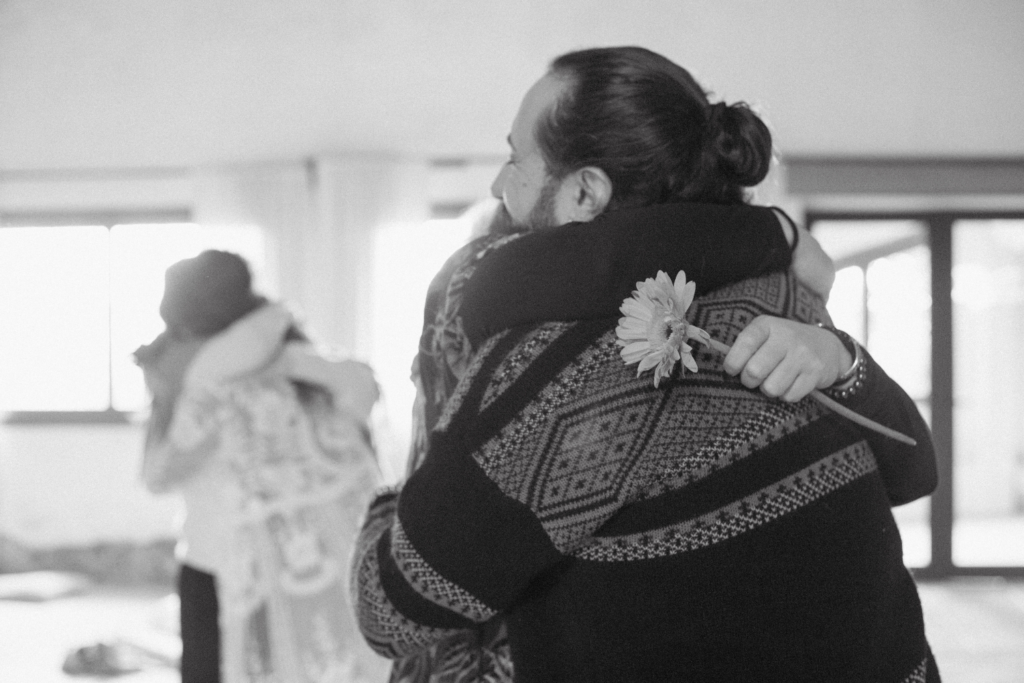
If you are wondering How to Integrate an Ayahuasca Experience, you may have already discovered that returning home can be just as significant as the ceremony itself.
During Ayahuasca, emotions, memories, physical sensations, images, and insights can emerge with unusual intensity. Some experiences feel immediately clear. Others leave questions that are difficult to put into words. Then the ceremony ends, you return to familiar relationships and responsibilities, and the question becomes: what do I do with everything I experienced?
This is where integration begins. Integration is the process of allowing what emerged during the experience to be understood, felt, and gradually incorporated into the way you live. At Master Plan Retreat, this is central to our approach because we believe the value of a ceremony is not measured by its intensity. What matters is what you are able to carry into your relationship with yourself, your body, other people, and your everyday life.
Ayahuasca integration is the process of exploring what emerged during the experience and gradually incorporating what feels meaningful into everyday life.
This can involve reflecting on an insight, processing an emotion, recognizing a relational pattern, paying attention to physical responses, or making changes in the way you relate to yourself and others.
It can also involve accepting that some parts of the experience remain unclear. You do not need to understand every image, sensation, or emotion immediately. Meaning sometimes emerges gradually, particularly once you return to the relationships and situations where your familiar patterns become active again.
Ayahuasca experiences can be intense, emotionally revealing, and deeply personal. Intensity alone does not determine what happens afterward.
Once you return home, you return to your relationships, responsibilities, family dynamics, work, and familiar emotional triggers. The circumstances that shaped many of your patterns are still part of your life.
Integration creates space between what you experienced during the ceremony and how you respond when ordinary life activates those patterns again.
For people who have already spent years in therapy, this can be particularly relevant. You may understand your history very well and still find that your body reacts before your conscious mind has time to intervene.
You may know that setting a boundary is healthy and still experience guilt when you do it. You may understand your fear of abandonment and still feel intense anxiety when someone becomes distant. You may recognize why you avoid conflict and still feel your entire body preparing to escape when tension appears.
Integration allows you to work with these responses at a deeper level than intellectual understanding alone.
Learning How to Integrate an Ayahuasca Experience begins with giving the process enough time.
There is no universal sequence because every person leaves a ceremony with different material. One person may need emotional rest. Another may need to explore a relationship. Someone else may feel drawn toward therapeutic or somatic work.
There are, however, several practices that can help you remain connected to the experience without trying to force an immediate interpretation.
After an intense ceremony, the mind often wants answers.
You may want to know what a particular vision meant, why a memory appeared, or whether something you experienced should change the direction of your life.
Allow some space before reaching definitive conclusions. Sleep, rest, return gradually to your routine, and observe which insights remain relevant once the immediate intensity has softened.
Some experiences become clearer through reflection. Others reveal their significance through what happens in the following weeks.
Journaling can help preserve details while the experience is still fresh.
Write down images, emotions, memories, bodily sensations, questions, or phrases that felt significant. You do not need to create a coherent interpretation.
When you return to these notes later, you may discover that your understanding has changed. A detail that seemed insignificant immediately after the ceremony may begin to connect with something happening in your relationships or emotional life.
Integration can easily become another intellectual exercise. You analyze what happened, search for explanations, and try to determine what the experience was telling you.
Your body can provide another layer of information.
Notice what happens physically when you think about a particular person, memory, or decision. Perhaps your chest tightens. Your stomach contracts. Your breathing changes. You feel the urge to move away, become quiet, or make yourself smaller.
These reactions can reveal protective patterns that have existed for much longer than your conscious understanding of them.
Somatic awareness gives you the opportunity to recognize these responses as they occur and gradually develop a different relationship with them.
Relationships are often where integration becomes most tangible.
After returning home, notice which interactions make you feel open and which make you guarded. Observe when you silence yourself, seek reassurance, become responsible for another person’s emotions, or withdraw to protect yourself.
For someone with a history of relational trauma, even a healthy boundary can activate fear, guilt, or anxiety. Understanding this can help you approach your reactions with curiosity instead of assuming that discomfort means you have made the wrong choice.
Trauma can create protective responses that once helped you navigate difficult circumstances. Integration may involve discovering which of those responses still serve you and which now limit your ability to relate differently.
A profound experience does not require a dramatic response.
If the ceremony brought attention to boundaries, integration might begin by giving yourself more time before agreeing to requests. If you became aware of exhaustion, you might start protecting periods of rest. If you recognized how often you avoid difficult conversations, you might begin by expressing one need more clearly.
Small choices repeated over time can carry an insight into everyday life.
This is often where integration becomes visible. The focus gradually shifts from what happened during the ceremony toward how you are responding differently because of what you experienced.
Trauma-informed support can be particularly useful when a ceremony touches long-standing emotional wounds or protective patterns.
The person’s nervous system and capacity to remain present matter just as much as the content of the experience. Integration should respect this capacity and allow difficult material to be explored at a manageable pace.
If distress becomes persistent or severe, interferes significantly with your ability to function, or you experience symptoms such as feeling unsafe or disconnected from reality, appropriate professional mental health or medical support should be sought promptly.
At Master Plan Retreat, integration begins during the retreat and continues after you return home.
During the retreat, participants have space to reflect on what emerged and begin connecting the ceremonies with their emotional history, relationships, bodily responses, and current circumstances.
Returning home then creates another stage of the process. Familiar environments can reactivate familiar patterns, making it possible to see where an insight has begun to settle and where additional support may be useful.
After the retreat, Samantha offers individual holistic integration sessions designed around the needs of each person.
As a therapist, she brings psychological understanding, emotional sensitivity, and a deeply individualized approach to this work. Each session responds to what the person is experiencing at that particular stage of their process.
The sessions can combine psychotherapy and somatic practices with holistic tools such as Tarot, pendulum work, and energy work. The tools used depend on the individual and on the material that is present in the session.
Psychotherapy can help explore emotional history, relationships, beliefs, and recurring patterns. Somatic practices can bring attention to nervous system responses and what is being expressed through the body. Holistic tools can offer additional ways of exploring symbolic, intuitive, or energetic dimensions when they are relevant to the person’s process.
This flexibility matters because integration can take very different forms. One person may need to process grief. Another may be exploring a relationship pattern. Someone else may still be trying to understand a difficult or symbolic experience from the ceremony.
The purpose of these sessions is to provide a space where the emotional, psychological, somatic, and spiritual dimensions of the experience can be explored together, while respecting the needs and pace of the individual.
There is no universal timeline for Ayahuasca integration.
Some insights may begin influencing your choices within days. Others can take weeks or months to understand. A particular part of the ceremony may only become meaningful when something in ordinary life brings it back into awareness.
Changing long-standing emotional and relational patterns can take even longer. Recognizing a pattern is one stage. Learning how to respond differently when your body feels threatened, rejected, overwhelmed, or responsible for someone else requires repeated experiences over time.
Integration does not need to preserve the emotional intensity of the ceremony. It can become quieter and still remain deeply relevant.
How to Integrate an Ayahuasca Experience ultimately becomes a question about how you relate to what remains after the ceremony is over.
The experience may reveal emotions, memories, patterns, or perspectives that were previously difficult to access. Integration creates the space to understand what they mean for you and how they relate to the life you are living now.
At Master Plan Retreat, preparation, ceremony, and integration are understood as interconnected parts of the same process. The support continues beyond the ceremonies because returning home is often where insights begin meeting relationships, habits, boundaries, and familiar emotional responses.
A ceremony can reveal a pattern in a single night. Integration is where you begin discovering what it means to live with that awareness.
If you are considering an Ayahuasca retreat, it is worth thinking about what happens after the ceremony before deciding to participate.
Who will help you process an experience that feels difficult to understand? What happens when you return home and the same relationships begin activating familiar patterns again? Will there be space to explore what emerged once the intensity of the retreat has passed?
These questions matter because the experience does not end when the ceremony closes.
At Master Plan Retreat, preparation, ceremony, and integration are held as one continuous process. Our small and intimate retreats near Barcelona are designed to give each participant the individual attention needed to move through the experience with greater safety and support. After the retreat, Samantha also offers individual holistic integration sessions, allowing the work to continue as you return to everyday life.
If you are considering joining us and would like to understand more about our approach, the ceremonies, the preparation process, or the integration support available afterward, get in touch with us to receive more information about our upcoming retreats and ask any questions you may have.
Learn how to safely prepare for an Ayahuasca retreat, from diet and medications to emotional preparation, intention setting, and choosing...
Learn how to safely prepare for an Ayahuasca retreat, from diet and medications to emotional preparation, intention setting, and choosing...
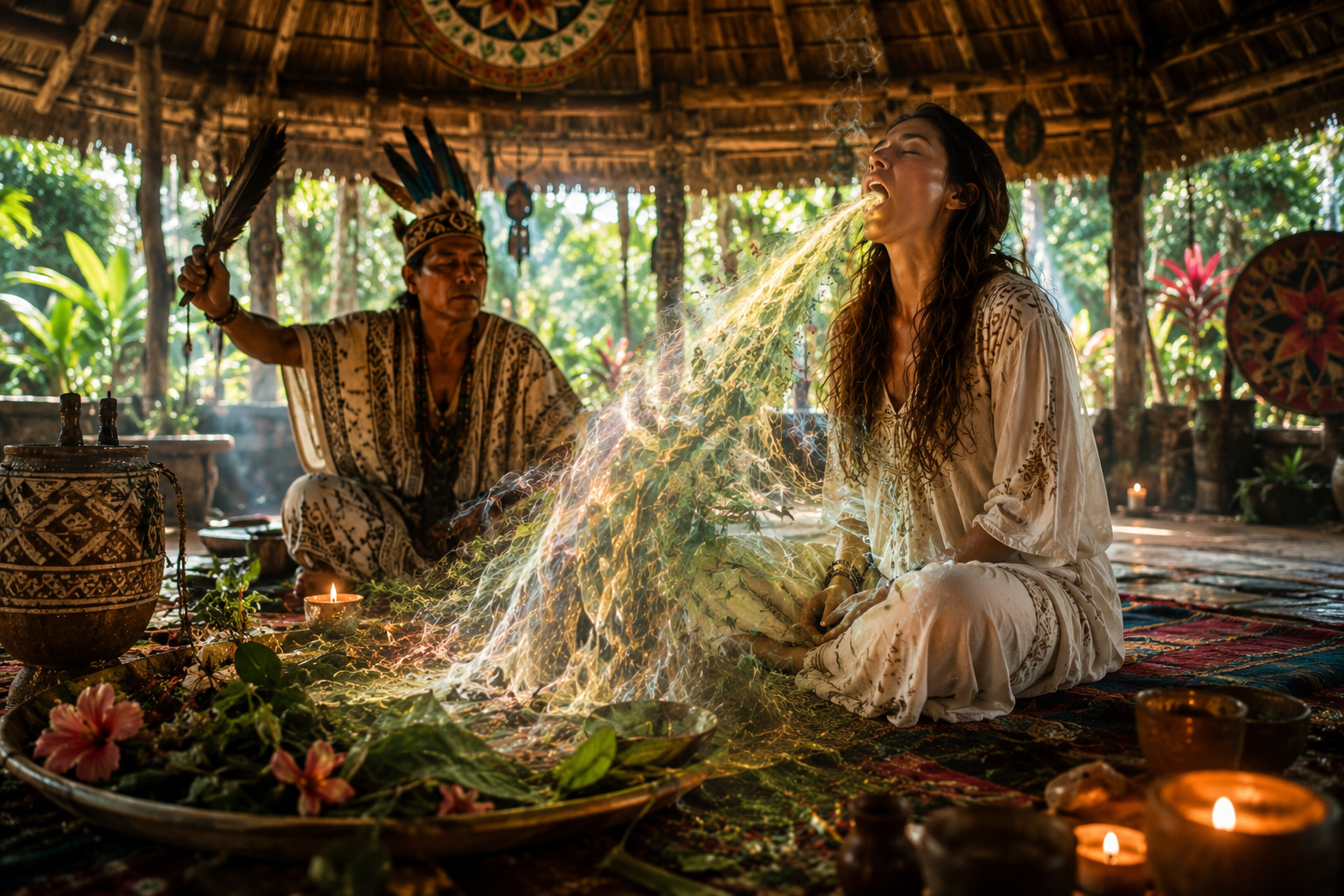
What Is the Purge During Ayahuasca? Learn why purging happens, what it may mean from scientific, psychological, and traditional perspectives,...
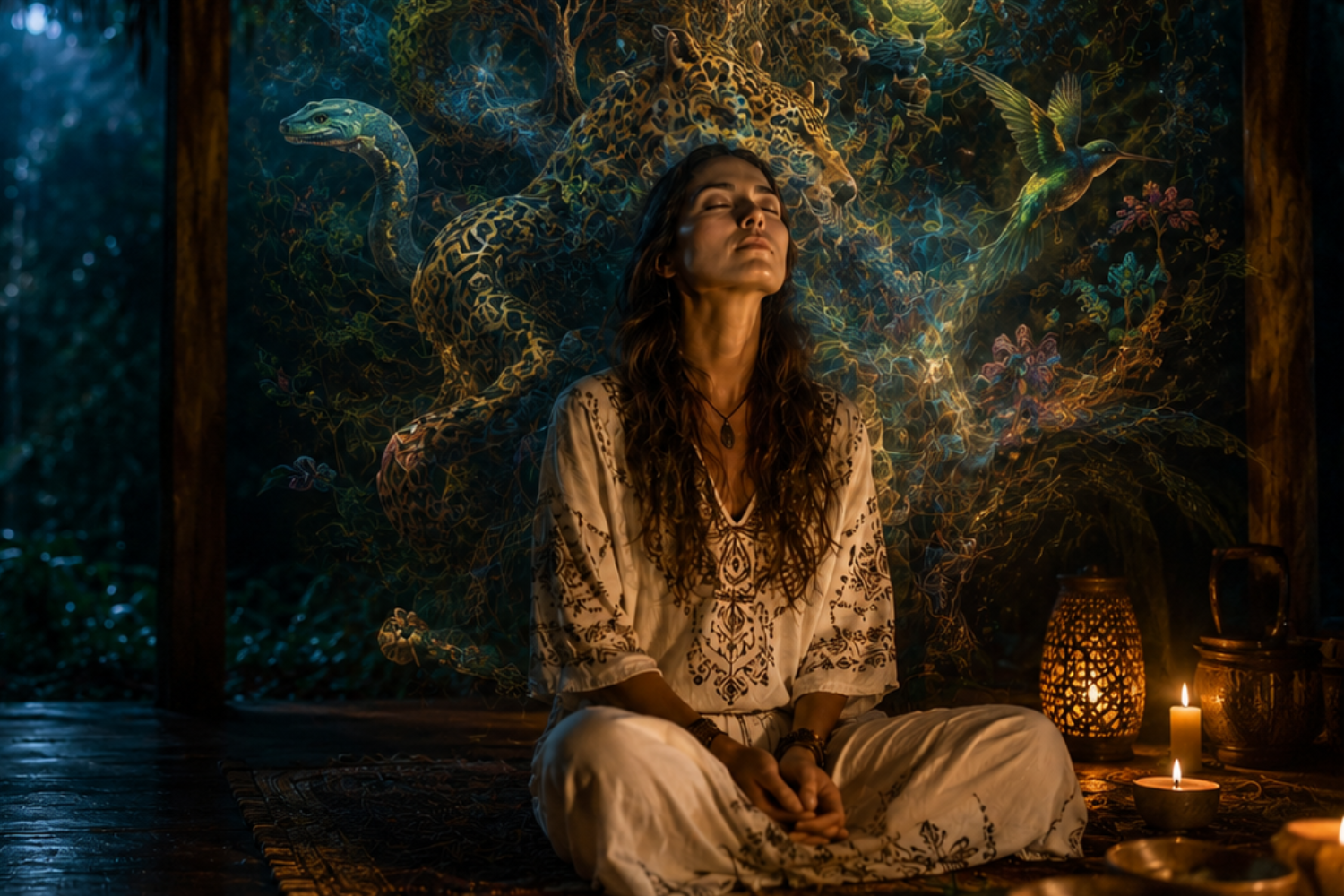
Wondering if Ayahuasca visions are real? Learn how symbolism, neuroscience, and therapeutic integration help you understand what you experience.
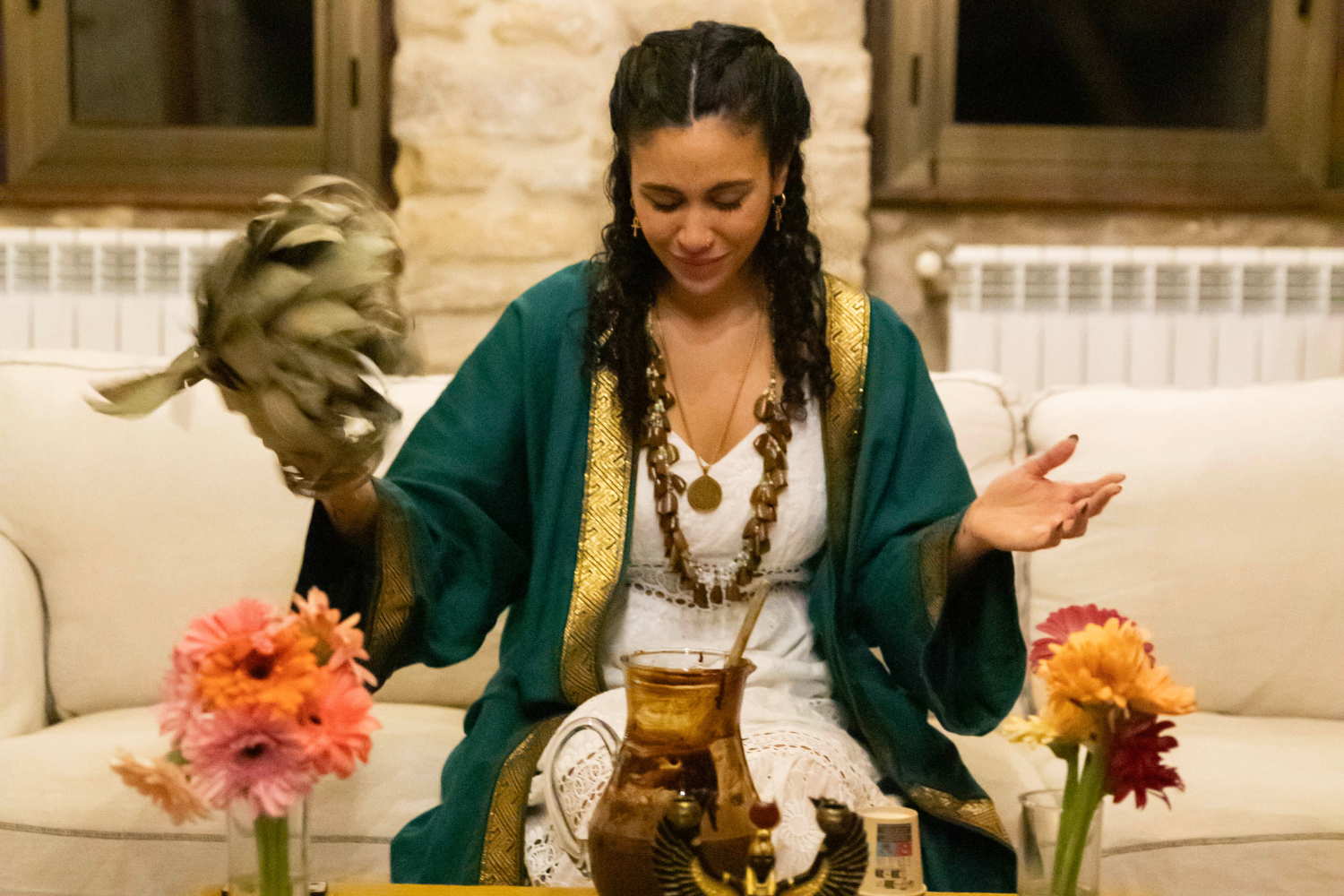
New clinical and neuroimaging research is starting to explain how ayahuasca supports emotional healing, from trauma recovery to self-compassion.
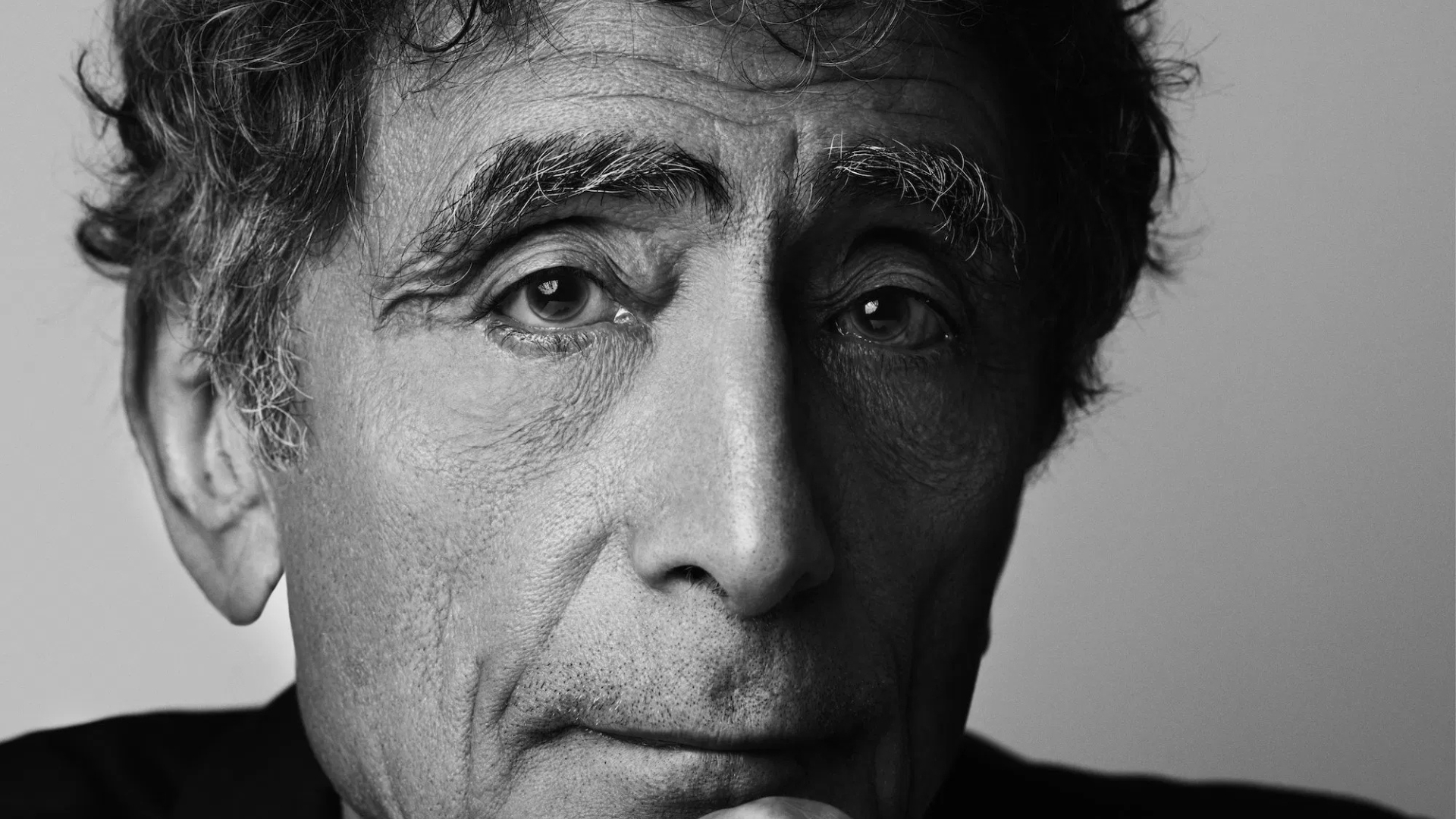
Dr. Gabor Maté and Ayahuasca Healing: Trauma, Wholeness and the True Self Dr. Gabor Maté and Ayahuasca Healing: Trauma, Wholeness...
Schedule a video call with us, and we’ll explore together if this experience is the right fit for you.
 4.9verified by TrustindexTrustindex verifies that the company has a review score above 4.5, based on reviews collected on Google over the past 12 months, qualifying it to receive the Top Rated Certificate.
© 2024 Master Plan Retreat
Chat with us
