September 4, 2026/
Learn how to safely prepare for an Ayahuasca retreat, from diet and medications to emotional preparation, intention setting, and choosing...
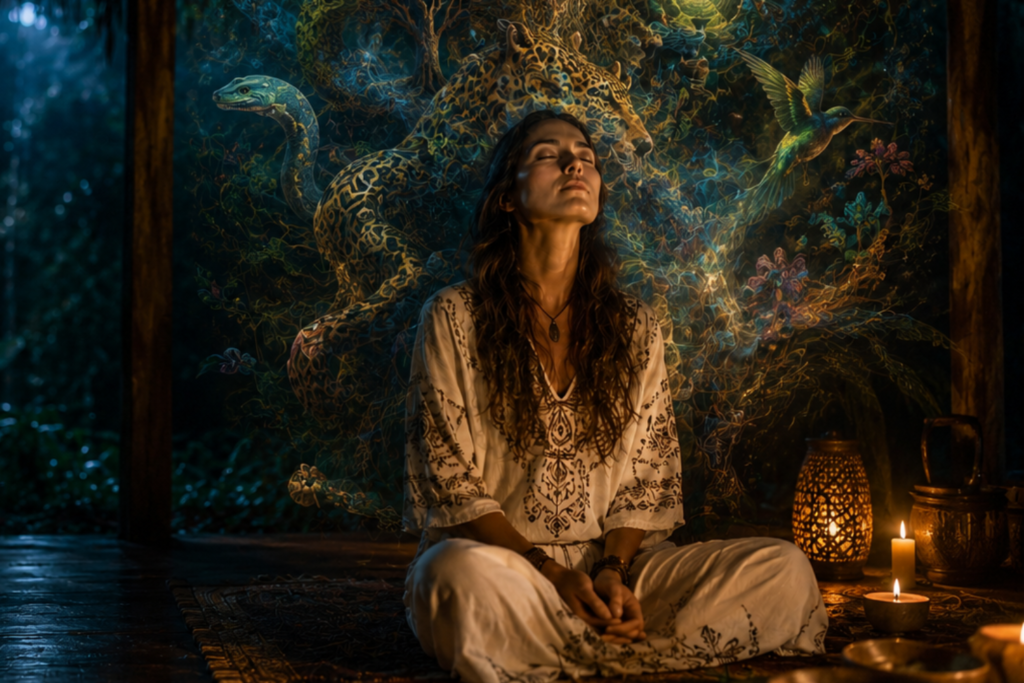
Are Ayahuasca visions real? It is one of the most common questions people ask before attending their first ceremony. Stories shared online often describe encounters with ancestors, conversations with spiritual beings, vivid landscapes, or memories that feel more real than everyday life. Naturally, many people wonder whether these experiences should be understood as literal events or symbolic expressions of the mind.
The answer is more nuanced than a simple yes or no.
One of the greatest misconceptions about Ayahuasca is the belief that every vision should be interpreted as an objective truth. While the experience can feel profoundly real, the images themselves often communicate through symbolism rather than literal facts. Understanding this distinction is essential because it changes the way we relate to the experience after the ceremony has ended.
To understand the question Are Ayahuasca Visions Real, it helps to look at how the brain processes memory, emotion, perception, and imagination during an altered state of consciousness.
The human mind has always used symbols to express experiences that words struggle to capture. Dreams are perhaps the most familiar example. Few people wake up believing that every dream predicts the future, yet most recognize that dreams can reveal something meaningful about their emotional life. They may reflect grief, fear, longing, unresolved conflict, or aspects of ourselves that remain outside conscious awareness.
Ayahuasca often works in a remarkably similar way.
During ceremony, the mind frequently communicates through images that represent emotional experiences rather than objective reality. A river may symbolize surrender for one person and uncertainty for another. A snake may embody fear, healing, transformation, or wisdom depending on an individual’s history and cultural background. There is no universal dictionary capable of translating these images because symbols are deeply personal.
This is why experienced facilitators avoid offering rigid interpretations. The same vision can carry entirely different meanings depending on the person experiencing it.
The question Are Ayahuasca Visions Real cannot be answered by treating every image as an objective fact. A vision may carry genuine emotional meaning while still being symbolic.
Part of what makes Ayahuasca visions feel so convincing is the way the medicine temporarily changes how the brain processes information.
One of the active compounds found in Ayahuasca is DMT, or N,N-Dimethyltryptamine. DMT interacts primarily with serotonin receptors, particularly the 5-HT2A receptor, increasing activity within the cerebral cortex and allowing different regions of the brain to communicate in ways they normally do not. Instead of processing memory, emotion, imagination, bodily sensations, and perception separately, the brain begins weaving them together into a unified experience.
This process creates imagery that can feel incredibly vivid because it is built from material that already exists within us. Memories, emotions, beliefs, symbolic thinking, and imagination become interconnected, allowing the unconscious to communicate through images rather than ordinary language.
From a neuroscientific perspective, the visions are internally generated. From a psychological perspective, they often carry profound emotional significance.
These two perspectives do not contradict one another.
Understanding whether Ayahuasca visions are real also requires understanding how the brain constructs perception during altered states of consciousness.
The answer depends on what we mean by the word real.
If the question is whether every vision represents an objective event happening outside ourselves, the answer is probably no. Scientific research does not support the idea that every image experienced during an Ayahuasca ceremony should be interpreted literally.
If the question is whether the emotions, memories, beliefs, and psychological patterns revealed by those visions are real, the answer is often yes.
Imagine someone who experiences a vision of being left alone as a child. The scene itself may not be a literal replay of a forgotten memory, yet it may accurately reflect a lifelong feeling of abandonment that continues to shape relationships in adulthood.
The emotional truth behind the vision can be entirely real even when the imagery is symbolic.
This distinction is one of the most important aspects of psychedelic integration. Rather than asking whether an image is factually true, it is often more helpful to explore what emotional reality it is expressing.
Popular culture often portrays Ayahuasca as a series of extraordinary visual experiences, but this is only one possible way the medicine may unfold.
Some people spend hours immersed in rich symbolic imagery. Others experience very few visuals, or none at all. Instead, they may encounter intense emotions, physical sensations, forgotten memories, moments of deep silence, or an expanded sense of compassion and connection.
These experiences are no less meaningful than vivid visions.
Ayahuasca does not appear to follow the same path for everyone because every nervous system carries a different history. The medicine often meets each person where they are, revealing only what they are ready to experience and integrate.
For some, healing arrives through images.
For others, it arrives through feeling.
Many researchers and therapists compare Ayahuasca experiences to dreaming because both states rely heavily on symbolic thinking rather than linear reasoning.
During ordinary dreams, activity in brain regions responsible for logical analysis decreases, allowing emotion, memory, and symbolism to shape the experience. Ayahuasca shares some similarities with this process, although there is one important difference.
Unlike dreaming, many people remain consciously aware throughout an Ayahuasca ceremony. They observe what is happening while simultaneously participating in it. This unique combination of awareness and symbolic experience creates an opportunity to witness unconscious material without being completely disconnected from the present moment.
It is one of the reasons ceremonies can feel deeply insightful while still requiring careful reflection afterwards.
One of the biggest mistakes people make after an Ayahuasca ceremony is assuming that every vision should immediately become a belief.
Someone may see a loved one behaving in a certain way and conclude that the vision revealed an objective truth. Another person may believe they received a definitive answer about every important decision they need to make. While these experiences can feel incredibly convincing, certainty is not always the healthiest response.
Curiosity usually serves us better.
Instead of asking, “Did this really happen?”, it can be far more valuable to ask, “Why did this image appear?” What emotion does it carry? What belief does it reveal? What relationship pattern might it be reflecting? What part of myself is asking to be seen?
Questions like these open the door to understanding instead of assumption.
They transform the ceremony from an extraordinary experience into an opportunity for genuine personal growth.
An Ayahuasca ceremony rarely provides complete answers.
More often, it begins a conversation with yourself that continues long after the medicine has left your body.
Integration is the process of exploring that conversation with patience, honesty, and appropriate support. It is where symbolic experiences become connected to everyday life. It is where insights become actions, emotional discoveries become healthier patterns, and moments of clarity gradually reshape the way we relate to ourselves and others.
Without integration, even the most profound ceremony can remain an extraordinary memory.
With integration, the experience has the opportunity to become part of lasting psychological and emotional change.
This understanding sits at the heart of everything we do at Master Plan Retreat. We believe the ceremony is only one chapter of the journey. Meaning emerges through the preparation that allows you to enter the experience safely, the therapeutic support that helps you navigate it, and the integration process that continues after you return home.
Are Ayahuasca Visions Real? The answer depends on what we mean by real. The imagery may not describe an external event, yet the emotions, memories, and patterns it reveals can still be deeply meaningful.
Perhaps a more meaningful question is whether they reveal something true about your inner world.
Ayahuasca often communicates through symbols because symbols allow the unconscious to express experiences that ordinary language cannot fully describe. The images themselves may not be literal. They may combine memories, emotions, imagination, and deeply held beliefs into a symbolic landscape that feels more real than everyday life.
Their value does not depend on whether every detail happened exactly as it appeared.
Their value lies in what they reveal about the way you relate to yourself, your history, your relationships, and the protective patterns your nervous system has developed over time.
Every ceremony is unique because every person arrives with a different story. In many ways, the medicine offers exactly what each individual is ready to hold in that moment. The real work begins afterwards, when those experiences are explored with curiosity, compassion, and thoughtful integration.
No. Some people experience vivid imagery, while others primarily notice emotions, bodily sensations, memories, or a profound sense of insight.
There is no scientific evidence that Ayahuasca visions predict future events. Many experiences are better understood as symbolic representations of emotions, memories, beliefs, and unconscious processes.
Ayahuasca temporarily changes how different regions of the brain communicate, allowing memories, emotions, imagination, and perception to merge into vivid symbolic experiences.
Not necessarily. Rather than interpreting every vision literally, it is generally more helpful to explore its symbolic and emotional meaning through thoughtful integration.
Many facilitators and therapists consider integration to be the most important stage, because it is where symbolic experiences are translated into lasting psychological and emotional growth.
Choosing to work with Ayahuasca is a deeply personal decision, and having questions before taking that step is completely natural. Understanding how the medicine works is important, but understanding how you will be supported before and after the ceremony is equally essential.
At Master Plan Retreat, we combine ancestral medicine with a trauma-informed therapeutic approach designed to support every stage of your journey. Preparation helps you enter the experience with clarity and intention. During the retreat, you are held within a carefully structured and intimate environment. After the ceremonies, our integration process helps you make sense of what emerged so your experience can become part of meaningful and lasting change.
If you would like to explore whether this path is right for you, we invite you to schedule a complimentary video call with Samantha. It is an opportunity to share your intentions, ask your questions, and learn how our therapeutic approach to preparation, ceremony, and integration supports each guest as a whole person.
Book your complimentary discovery call and discover whether Master Plan Retreat is the right place for your journey.
Learn how to safely prepare for an Ayahuasca retreat, from diet and medications to emotional preparation, intention setting, and choosing...
Learn how to safely prepare for an Ayahuasca retreat, from diet and medications to emotional preparation, intention setting, and choosing...
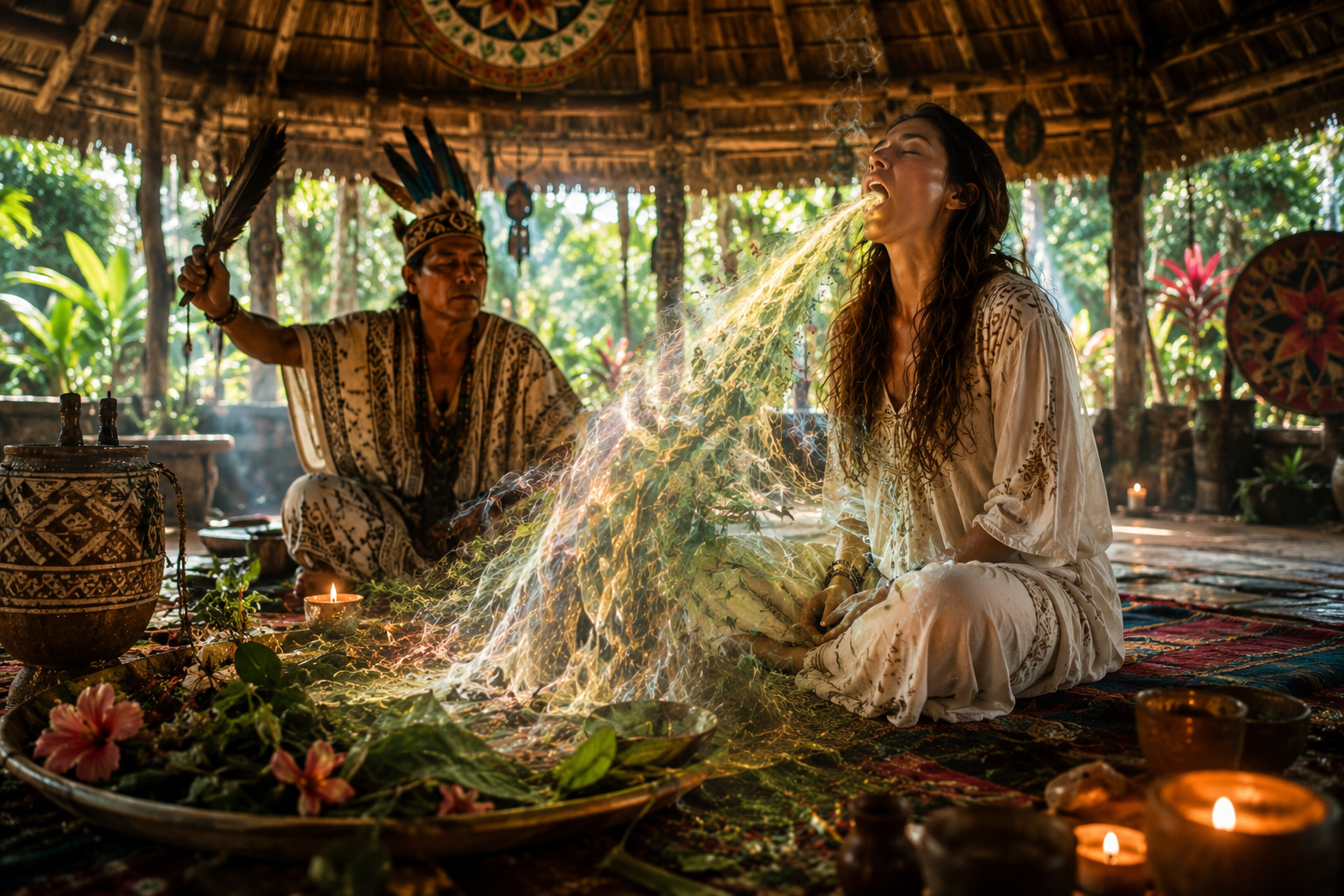
What Is the Purge During Ayahuasca? Learn why purging happens, what it may mean from scientific, psychological, and traditional perspectives,...
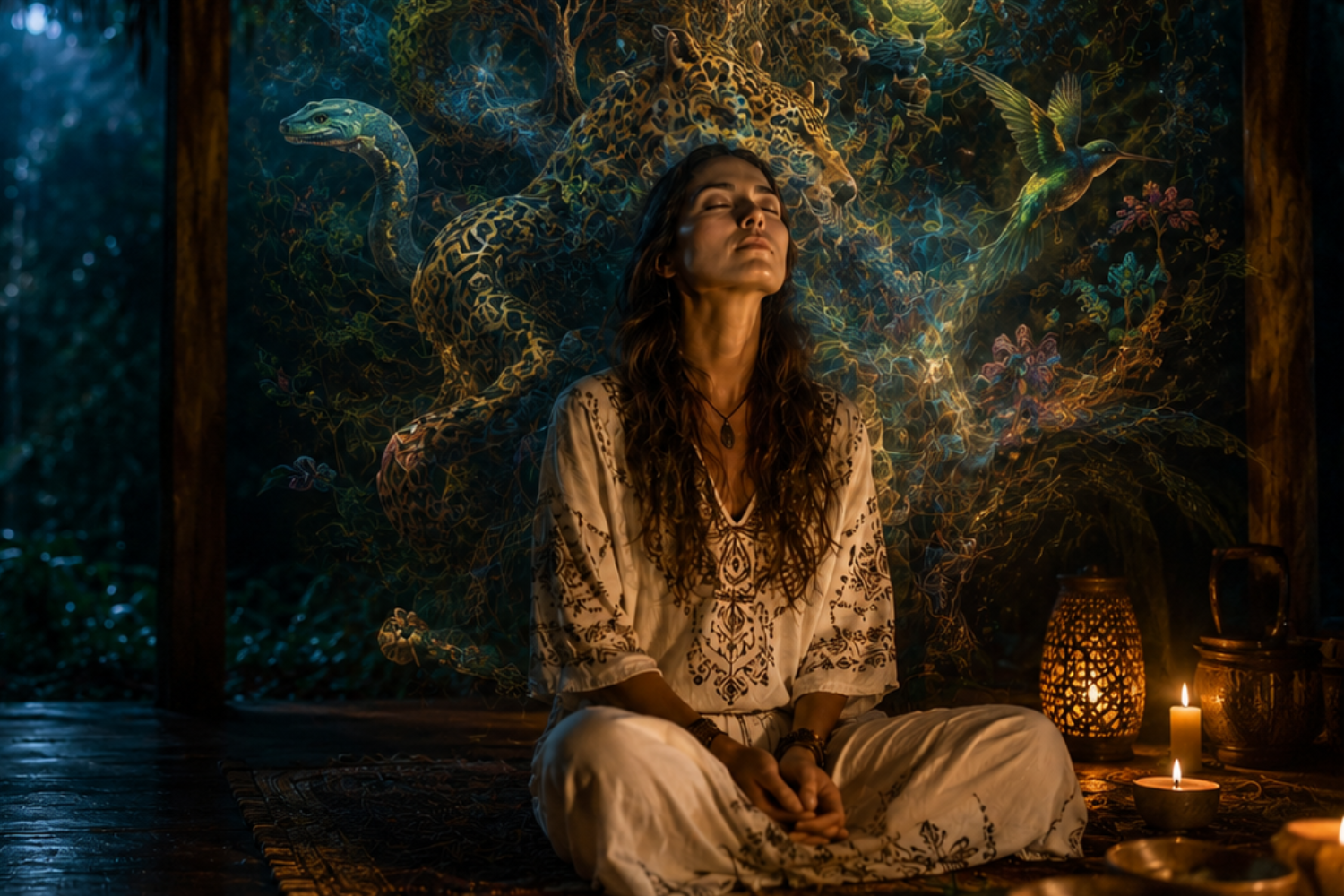
Wondering if Ayahuasca visions are real? Learn how symbolism, neuroscience, and therapeutic integration help you understand what you experience.
New clinical and neuroimaging research is starting to explain how ayahuasca supports emotional healing, from trauma recovery to self-compassion.
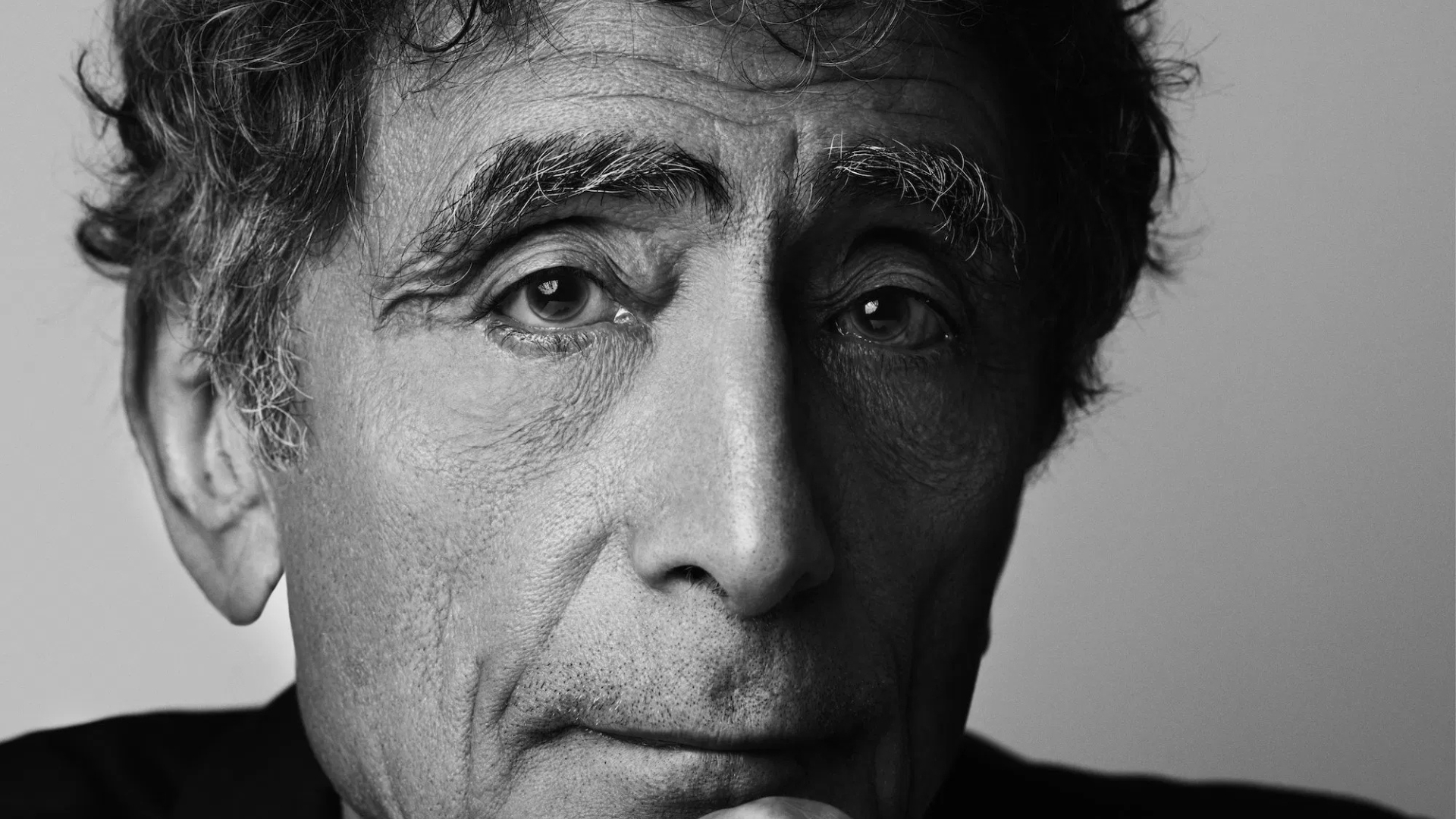
Dr. Gabor Maté and Ayahuasca Healing: Trauma, Wholeness and the True Self Dr. Gabor Maté and Ayahuasca Healing: Trauma, Wholeness...
Schedule a video call with us, and we’ll explore together if this experience is the right fit for you.
 5.0verified by TrustindexTrustindex verifies that the company has a review score above 4.5, based on reviews collected on Google over the past 12 months, qualifying it to receive the Top Rated Certificate.
© 2024 Master Plan Retreat
Chat with us
