
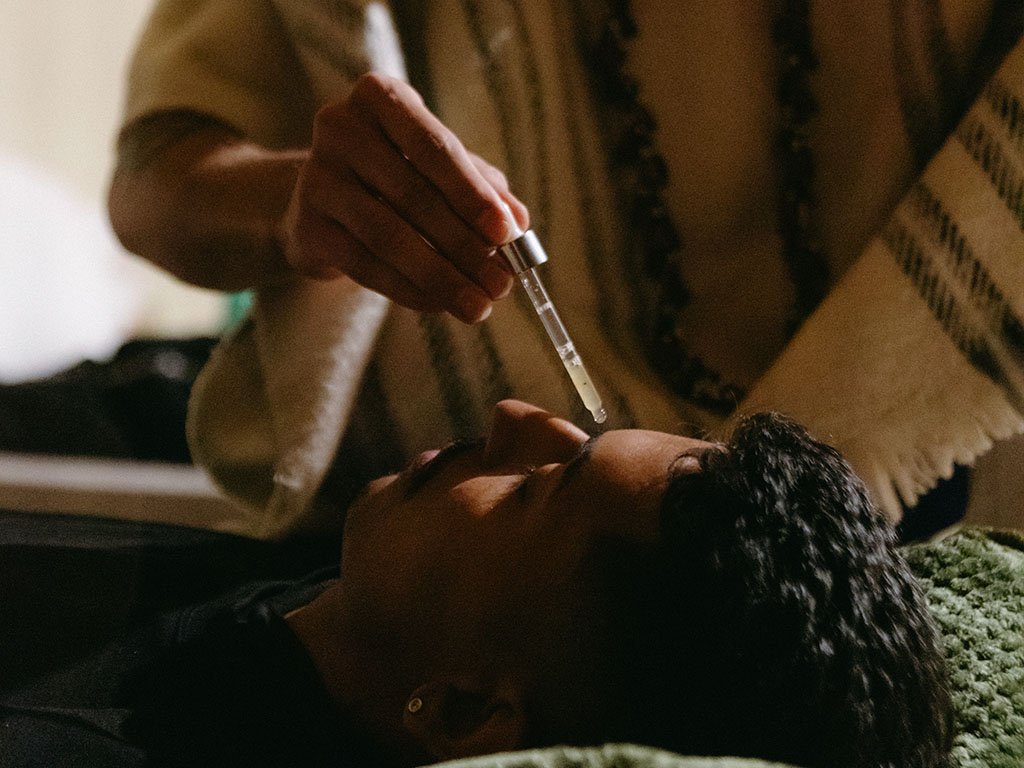
What are the Benefits of Sananga Discover the powerful benefits of Sananga eye drops in our Ayahuasca retreat Sananga experience and sacred Sananga healing ceremony. 🌿✨ The Gateway Through the Eye Benefits of Sananga Eyedrop Sananga is an ancestral medicine used by various Indigenous peoples of the Amazon. Although it is primarily known for its ocular application, its benefits extend far beyond physical vision. Unlike other plants, sananga works in an intense yet brief way. However, its effects do not end at the moment of application. Over time, many people describe a heightened sense of clarity, presence, and inner focus. About the healing properties of a sananga ceremony The Spiritual Depth of Sananga Sananga is often misunderstood as merely a painful drop — a brief, burning challenge that precedes the deeper work of Ayahuasca. However, reducing it to a physical sensation overlooks its rich cultural, spiritual, and energetic depth. Sananga is prepared from the roots and bark of Tabernaemontana undulata, a shrub native to the Amazon rainforest and part of the Apocynaceae family, known for its psychoactive alkaloids and healing properties. Traditionally used by Indigenous peoples such as the Yawanawá and Kaxinawá, Sananga is far more than a remedy for eye infections or a hunting aid to sharpen vision — it is a master plant in its own right. In the West, few recognize that Sananga belongs to a broader Indigenous system of spiritual hygiene: a daily energetic cleansing practice designed to remove panema, the dense energetic fog believed to cause misfortune, apathy, or illness. Just as we cleanse the body, Sananga is used to “cleanse perception,” energetically recalibrating the lens through which we see reality. It is both medicine and mirror. Rarely discussed is how Sananga subtly initiates us into a different paradigm — one in which discomfort is not avoided but honored, and pain is not pathology but portal. In this way, Sananga does not merely treat the eyes; it challenges how we see ourselves. Sananga as Preparation in the Retreat At Master Plan Retreat, we work with Sananga only once during the retreat. Yet that single moment is intentional and profound. We administer Sananga just before the Ayahuasca ceremony — not as a casual ritual, but as a sacred gateway. It is used to cleanse the energetic field, sharpen inner vision, and prepare the participant to meet the medicine with clarity and presence. This pre-ceremony moment creates a distinct energetic shift. The burning sensation in the eyes quickly quiets the mind and anchors awareness in the body. It feels as though the noise of the outer world — and the inner chatter — dissolves, leaving a blank slate. The sting becomes a teacher, inviting surrender and focus before entering the deeper realms of Ayahuasca. Sananga helps us see beyond the physical. It opens a kind of “vision behind vision,” a refined perception that is not limited to sight but aligned with truth itself. It removes layers of illusion so that the ceremony may begin from a place of alignment, integrity, and openness. For this reason, even though it is used only once, Sananga plays an essential role in the architecture of the retreat. The Experience of the Burn and Its Teaching The Sananga experience is brief, intense, and deeply symbolic. When the drops touch the eyes, a strong burning sensation moves through the body — not as punishment, but as purification. This moment often becomes the first true initiation of the retreat. It invites participants to meet pain not with resistance, but with presence. Unlike Western approaches that seek to numb or avoid discomfort, Sananga asks: Can you remain open while it burns? During the Sananga ceremony, as with other plant medicines, we guide participants to breathe deeply, remain calm, and observe. This conscious approach trains more than the nervous system — it strengthens the spirit. Embracing discomfort instead of fleeing from it becomes a sacred act of discipline. In that space, something shifts: pain transforms into power, and discomfort into clarity. Few speak about how this moment prepares us for life far beyond the retreat. Sananga becomes a mirror that reveals we are stronger than we believe, capable of holding discomfort with grace. This strength does not end when the sting fades; it carries into daily life, reminding us that attitude shapes experience. In its brief fire, Sananga awakens the warrior within. Request more information Sananga as an Independent Ceremony Sananga is often introduced to retreat participants as an intense physical experience. However, its benefits are far more layered and holistic than most people realize. Traditionally used by Amazonian peoples such as the Yawanawá and the Matsés before hunting, Sananga was believed to sharpen vision — not only in a literal sense, but also to enhance intuition, focus, and energetic clarity. In the jungle, clear sight is not only about survival; it is about presence. In the context of modern spiritual work, that clarity becomes a key to transformation. Although Sananga is frequently used in combination with other plant medicines, it holds profound value as a standalone ceremony — a value that is often underestimated. Without the influence of Ayahuasca or Kambó, the Sananga experience becomes even more intimate and revealing. It invites the participant into stillness, into presence, and into a direct relationship with the spirit of the plant itself. Within this space, Sananga works like a laser through layers of energetic clutter. It may bring forward insights, emotions, or ancestral memories that are ready to be seen — not through psychedelic visions, but through embodied clarity. What makes this ceremony unique is its simplicity. No imagery, no altered states — just you, your breath, and the medicine. Sananga’s Holistic Benefits Physical and Energetic Benefits This stripped-down ceremony teaches a powerful lesson: deep healing does not always require fireworks. At times, the most profound shifts arise through the quiet discipline of facing discomfort and listening within. Sananga, on its own, carries the capacity to do exactly that. On a physical level, Sananga is

Long-Term Benefits of Ayahuasca
Long-Term Benefits of Ayahuasca Discover the long-term benefits of ayahuasca, from reducing stress and addiction to fostering deep spiritual growth, backed by science and real-life transformations. 🌿✨ Ayahuasca: Transformative Impacts on Mind, Body, and Spirit Ayahuasca is often perceived as a mystical shortcut to enlightenment or a powerful tool for momentary breakthroughs. But the true magic of an ayahuasca experience lies not in the ceremony itself, but in its long-term impact—how it rewires perspectives, reshapes behaviors, and continues to unfold its lessons long after the last cup is consumed. Unlike conventional therapies that require years of work, a single ayahuasca retreat can compress profound psychological insights and emotional breakthroughs into an accelerated process, creating ripples that transform lives over months and even years. While mainstream discussions focus on the immediate intensity of an ayahuasca ceremony, few dive deep into what happens after—the unspoken transformations that take place in the quiet moments of everyday life. Those who integrate the lessons properly report an expanded capacity for resilience, a deepened understanding of their subconscious patterns, and an ability to navigate life’s challenges with greater clarity. Plant medicine, when approached with reverence and commitment, does not just provide answers—it teaches how to live the answers. In this article, we go beyond the surface-level conversations to explore the profound, lasting benefits of ayahuasca therapy and how it can be a lifelong ally in spiritual and personal evolution. About the long term benefits of ayahuasca Understanding Ayahuasca Ayahuasca is more than just a plant medicine—it is an ancient intelligence encoded in nature, designed to interact with human consciousness in ways modern science is only beginning to discover. Unlike synthetic psychedelics, which often act as mind-altering agents, ayahuasca works as a mirror and teacher, guiding individuals through layers of their subconscious with precision. What makes an ayahuasca retreat different from other therapeutic experiences is its ability to dismantle deeply embedded belief systems. It doesn’t just show you your pain or unresolved trauma; it offers a perspective from outside your conditioned mind, allowing you to see yourself as an observer rather than a victim. Indigenous traditions have long understood this, treating ayahuasca not as a drug but as a sentient guide—a spirit that teaches, corrects, and realigns individuals with their true path. Unlike mainstream psychology, which often treats symptoms, ayahuasca therapy addresses the root cause by stripping away illusion and reconnecting people with their essence. But the key to its effectiveness lies in integration—how one applies its lessons in daily life. Without this, the visions remain just that—visions, without real impact. Long-Term Psychological Benefits The true power of an ayahuasca experience isn’t in the vivid visions or mystical encounters during a ceremony—it’s in the slow but profound psychological shifts that continue happening long after. Unlike conventional therapy, which often relies on cognitive reframing and incremental progress, ayahuasca therapy acts as an emotional catalyst, allowing individuals to access repressed memories, confront deep-seated fears, and dismantle outdated belief systems in a matter of hours. But the long-term benefits extend far beyond temporary breakthroughs. Studies suggest that ayahuasca not only reduces mental distress in the short term but also creates lasting neurological and psychological changes. It enhances neuroplasticity—the brain’s ability to rewire itself—helping people unlearn harmful patterns and cultivate healthier ways of thinking. Those who integrate the lessons of their ayahuasca retreat often experience a deep sense of clarity, inner peace, and emotional resilience that persists for years. In a world where stress, anxiety, and depression are normalized, plant medicine offers a radically different approach: instead of suppressing symptoms, it teaches the mind and body to self-regulate and heal from within. Reduction of Stress and Anxiety One of the most profound and widely reported long-term benefits of ayahuasca therapy is its ability to significantly reduce stress and anxiety. However, what makes this different from conventional treatments is that ayahuasca does not merely calm the nervous system—it retrains it. Many people who attend an ayahuasca retreat enter with a dysregulated nervous system, trapped in cycles of chronic stress due to unresolved trauma, subconscious fears, or toxic thought patterns. Scientific studies have found that ayahuasca promotes the release of serotonin and dopamine while also reducing cortisol levels, creating an immediate sense of relief. But beyond neurochemistry, ayahuasca shows individuals why they are anxious in the first place, exposing hidden fears and belief systems that have been dictating their emotional state for years. Unlike pharmaceuticals, which provide temporary symptom relief, the effects of an ayahuasca ceremony are long-lasting because they address the root cause of stress—whether it’s emotional suppression, unresolved pain, or a fundamental misalignment with one’s true self. Long-term benefits of ayahuasca, many participants report feeling a deeper trust in life, a greater sense of presence, and a newfound ability to handle stress with ease long after their experience. Alleviation of Depression Modern psychiatry often treats depression as a chemical imbalance, but ayahuasca therapy reveals a deeper truth: depression is frequently the result of emotional stagnation, spiritual disconnection, and unprocessed grief. Ayahuasca doesn’t just lift depressive symptoms—it confronts individuals with their emotional baggage and guides them through a process of release and renewal. Studies have shown that ayahuasca increases neuroplasticity, fostering the growth of new neural connections that help individuals break free from rigid, negative thought patterns. It also triggers deep emotional catharsis, allowing individuals to express suppressed pain, resolve past wounds, and reframe their life experiences from a higher perspective. Unlike antidepressants, which often numb emotions, plant medicine teaches individuals how to feel again—but from a place of strength, not suffering. This is why those who undergo ayahuasca retreats frequently report a sustained improvement in mood, a greater sense of meaning, and a renewed passion for life. Spiritual Growth and Self-Discovery While many approach an ayahuasca retreat seeking healing, what they often find is something much deeper—an awakening to their true nature. Ayahuasca is not just a medicine; it is a doorway to expanded awareness, revealing hidden aspects of the self that have been buried under years of conditioning. Unlike
8 Ayahuasca Books You Should Read
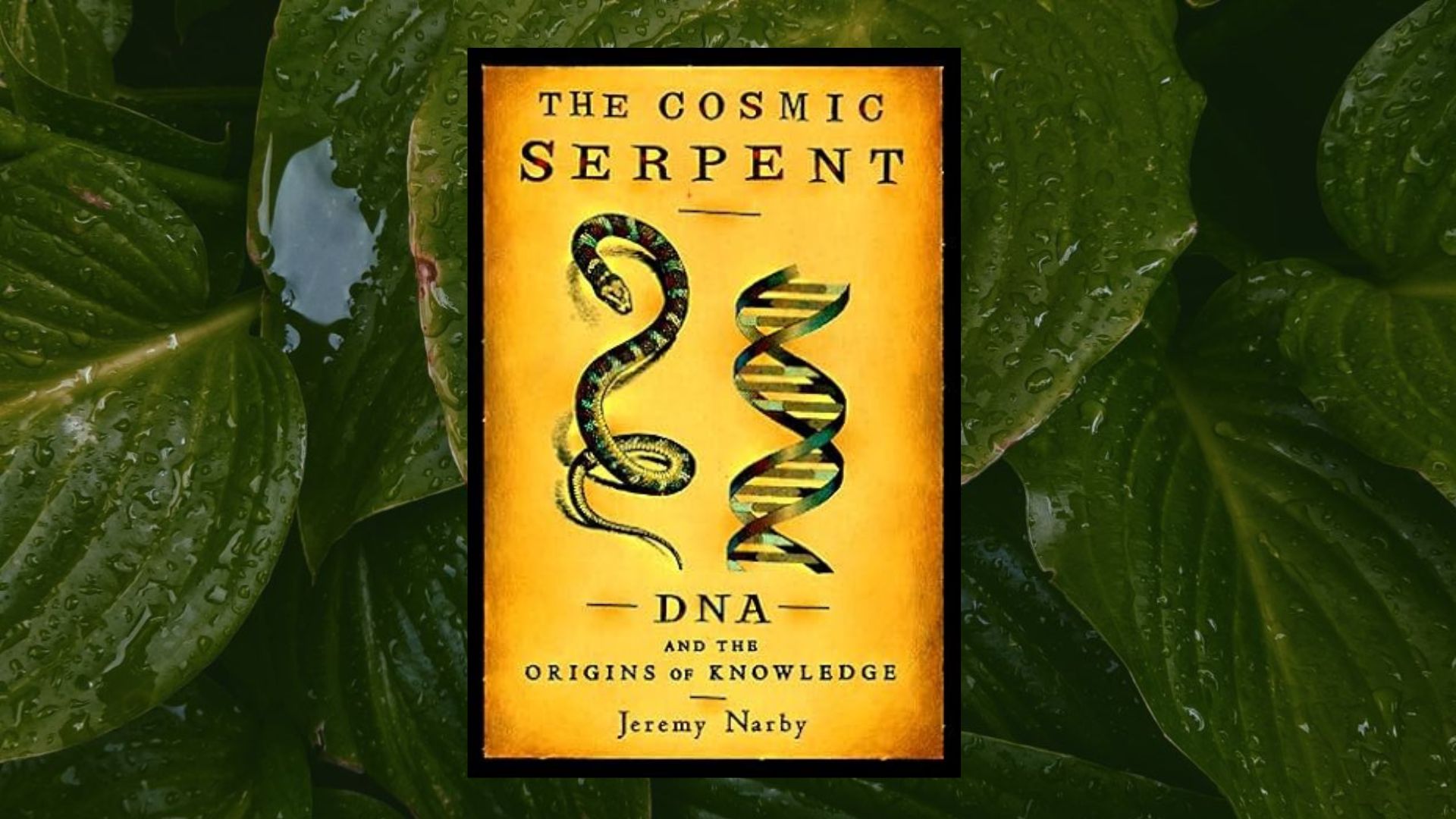
8 Ayahuasca Books You Should Read “8 Ayahuasca Books You Should Read” explores essential literature that deepens your understanding of ayahuasca, sacred plants, and integration, offering profound insights into healing, spirituality, and personal transformation. Books about ayahuasca Expanding Your Understanding of Plant Medicine The ayahuasca experience is far more than a ceremony. In reality, it represents a profound confrontation with the deepest layers of the self. In “8 Books About Ayahuasca You Should Read,” we explore essential literature that goes beyond dominant narratives. These texts offer critical perspectives, challenge conventional thinking, and expand our understanding of sacred plant medicine. Whether you are preparing for your first ceremony or seeking to deepen your knowledge of plant medicine, the right book can become a powerful tool for transformation. Moreover, if you are looking to integrate past experiences, thoughtful reading can provide clarity and direction. Many people believe the most important part of working with ayahuasca happens during the ceremony itself. However, the real process begins afterward. It is then that visions must translate into action and spiritual insights into tangible changes in everyday life. These books do more than recount psychedelic journeys. Instead, they explore Indigenous traditions, the deeper meaning of the ayahuasca experience, and the ways this sacred plant can support healing and self-discovery. If you wish to understand ayahuasca beyond surface-level discussions, this selection will help you cultivate a richer, more conscious, and integrated relationship with the medicine. 1. The Cosmic Serpent – Jeremy Narby What if ayahuasca visions contain scientific knowledge encoded in ways Western minds have not yet understood? In The Cosmic Serpent, anthropologist Jeremy Narby challenges conventional science with a bold proposal. He suggests that Indigenous shamans and molecular biologists may be uncovering the same truths — simply through different methods. Throughout the book, Narby explores how shamans, through their relationship with sacred plants, may access biological information directly. He describes visions involving DNA structures, cellular communication, and a form of ecological intelligence that modern science is only beginning to explore. In this way, the book raises an uncomfortable but fascinating question: what if visionary experiences are not merely symbolic, but informational? This work is essential for readers who wish to question rigid scientific paradigms. Moreover, it invites us to consider that ayahuasca ceremonies may represent encounters with an ancient form of knowledge. For seekers interested in bridging science and plant wisdom, this book offers a daring and transformative perspective. 2. Ayahuasca: Soul Medicine of the Amazon Jungle – Javier Regueiro Ayahuasca: Medicine of the Soul of the Amazon Jungle, by Javier Regueiro, is not just another book about the ayahuasca experience. Rather, it is a practical and deeply personal guide for those who wish to approach this sacred medicine with respect and clear intention. Unlike many accounts that focus only on the ceremony itself, Regueiro provides invaluable insight into the emotional, physical, and energetic dimensions of the entire process. In other words, he addresses preparation, the ceremonial experience, and post-retreat integration. In addition, the author explores the most common fears, challenges, and misconceptions that newcomers often face. For this reason, the book is especially helpful for first-time participants who want to understand what they are stepping into. However, the work goes beyond being a simple guide. It invites readers to see ayahuasca as a teacher. As a result, it emphasizes that real transformation does not end when the ceremony concludes. Instead, it unfolds through the conscious work that follows. For those seeking a serious and respectful introduction to the medicine, this book offers clarity, grounded guidance, and a deeply integrative perspective. 3. The Fellowship of the River – Joe Tafur, M.D. Many people approach ancestral medicine books in search of mystical visions. However, Dr. Joe Tafur offers something different. In The Fellowship of the River, he explores the deep connection between emotions, trauma, and physical health. Importantly, he bridges Western medicine and Amazonian shamanism in a grounded and accessible way. As a medical doctor who later became an ayahuasca practitioner, Tafur shares first-hand healing experiences. Moreover, he presents cases that go beyond what pharmaceuticals or psychotherapy alone often achieve. The book is particularly relevant for readers who want to understand how ayahuasca ceremonies interact with the body’s natural ability to heal itself. In fact, it addresses chronic illness, depression, and emotional blockages through both clinical and spiritual lenses. Rather than romanticizing plant medicine, Tafur offers a balanced and integrative perspective. Consequently, this work becomes essential for those seeking a bridge between science and sacred medicine. Ultimately, the book demonstrates how plant medicines can connect mind, body, and spirit in ways that modern healthcare systems are only beginning to recognize. 4. Listening to Ayahuasca – Rachel Harris, Ph.D. Listening to Ayahuasca is a powerful book for those who want to understand the long-term psychological effects of working with this sacred plant. Unlike books that focus only on the ceremony itself, psychologist Rachel Harris presents extensive research on how ayahuasca experiences can lead to lasting changes. Specifically, she examines emotional healing, self-awareness, and even relationship dynamics. One of the book’s greatest strengths is its emphasis on integration. Rather than glorifying visions or altered states, Harris explores how insights translate into real-world transformation. In addition, she openly addresses potential risks. For example, she warns against becoming dependent on the medicine as a guide instead of committing to the inner work required for genuine growth. As a result, the book offers a balanced and psychologically grounded perspective. It neither romanticizes nor dismisses the experience. For readers who take personal growth seriously, this work provides essential guidance. It helps ensure that ayahuasca becomes a tool for conscious evolution rather than a search for repeated peak experiences. 5. Shamanic Wisdom of the Huichol – Tom Soloway Pinkson Although this book does not focus exclusively on ayahuasca, it provides essential context for understanding the broader Indigenous wisdom that supports plant medicine ceremonies. The Huichol people, much like Amazonian shamans, work with visionary plants to access spiritual guidance. Therefore, their tradition offers valuable

Top 16 Things to Bring to an Ayahuasca Retreat
Top 16 Things to Bring to an Ayahuasca Retreat Preparing for a Life-Changing Experience Top 16 Things to Bring to an Ayahuasca Retreat Packing for an Ayahuasca retreat is not just about bringing the right physical items—it’s about preparing your entire being for a profound journey of transformation. Many people focus on what to bring but overlook why they are bringing it. Every object you pack should have intention, supporting your comfort, spiritual process, and ability to integrate what you experience. Let’s deep into the top 16 things to bring to an ayahuasca retreat. Unlike a typical vacation, this is not about convenience or luxury; it’s about creating a container where you feel safe enough to surrender. The items you choose to bring can either ground you in presence or serve as distractions. This is why it’s essential to be selective and mindful. Another crucial aspect that few discuss is the energetic imprint of your belongings. Objects carry energy. Bringing something with emotional significance—a small token from a loved one, a personal talisman, or even a piece of clothing that makes you feel protected—can help you stay connected to yourself when the medicine takes you deep into the unknown. With this in mind, let’s explore the Top 16 most important things to bring to an Ayahuasca retreat and why they matter in ways that most people don’t consider. At Master Plan Retreats you will find comfort and all the essentials, towels, soap, blankets and more. 1. Comfortable Clothing: Dress for the Journey The right clothing is more than just comfort—it can shape your experience. Soft, loose-fitting clothes allow your body to relax, while synthetic fabrics can feel constricting during deep states of awareness. Choose natural fibers like cotton or linen to stay in harmony with nature. White or light-colored clothing is often recommended because it symbolizes clarity and openness, but ultimately, wear what makes you feel safe and grounded. Light, Natural FabricsYour body temperature may fluctuate during ceremony, and synthetic fabrics can trap heat and moisture. Natural materials allow your skin to breathe and feel more connected to the earth. Layers for Temperature ChangesEven in the jungle, nights can be cool. Bring a light sweater or shawl to wrap yourself in post-ceremony, when your body might feel sensitive or chilled from the deep work. 2. A Blanket or Shawl: Your Comfort Cocoon During deep ceremonies, having something warm and familiar to wrap around yourself can provide a sense of security. When the medicine takes you into unknown spaces, this simple piece of fabric can serve as an anchor to the physical world. Choose something soft and meaningful to you—one that will feel like home when you need it most. Note that at Master Plan Retreats you will find clean blankets for your journey. 3. A Headlamp or Flashlight: Navigating the Night During deep ceremonies, having something warm and familiar to wrap around yourself can provide a sense of security. When the medicine takes you into unknown spaces, this simple piece of fabric can serve as an anchor to the physical world. Choose something soft and meaningful to you—one that will feel like home when you need it mosGetting up to use the bathroom in the middle of a ceremony can feel like a surreal experience. A red-light mode on your headlamp ensures you can see without disrupting others. If you’ve ever struggled with finding your way back to your mat in a dark ceremonial space, you’ll understand why this is a must-have. 4. A Water Bottle: Stay Hydrated with Intention Water carries memory. Bringing your own bottle allows you to set an intention with every sip. Some participants even whisper affirmations into their water before drinking. Choose a lightweight, leak-proof bottle that you can keep near your mat, ensuring easy hydration without unnecessary noise or fumbling. 5. A Journal and Pen: Capturing Insights and Visions Your Ayahuasca journey is filled with fleeting moments of wisdom that often dissolve like dreams upon waking. A journal is not just for note-taking—it’s a portal to self-integration. Some people find that writing helps them process emotions that arise long after the ceremony has ended. Waterproof notebooks are ideal for jungle retreats where humidity can ruin paper. 6. Personal Sacred Items: Anchors for Your Ayahuasca Retreat A small object with deep meaning can provide spiritual grounding when Ayahuasca takes you into unknown territories. Whether it’s a crystal, a pendant from a loved one, or a piece of fabric infused with a special memory, this item can serve as an energetic tether when navigating deep spaces. 7. A Small Towel and Personal Hygiene Items Sweating, purging, and emotional releases are common during ceremonies. Having a small towel nearby ensures you can wipe your face or hands without disrupting your process. Stick to unscented, natural products—artificial scents can feel overwhelming when your senses are heightened. 8. Lip Balm: A Small but Crucial Comfort This is an overlooked essential. Dehydration from purging, deep breathing, or dry air can leave your lips painfully chapped. A simple, unscented lip balm can make all the difference in maintaining comfort throughout the night. 9. Swimwear: For Cleansing Rituals and Relaxation Many Ayahuasca retreats include river or waterfall purifications, where water is used to cleanse negative energy before or after ceremonies. A swimsuit ensures you can fully embrace these rituals without hesitation. 10. Rapé, Tobacco, or Mambe (If You Work with These Medicines) If you already have a practice with sacred plant medicines like Rapé (a shamanic snuff) or Mambe (a coca leaf preparation), bringing your own ensures continuity in your spiritual work. However, if you’re new to these medicines, it’s best to consult the facilitators before introducing them into your experience. 11. Earplugs or Sleep Mask: Rest Between Ceremonies Some retreats are held in open-air spaces where the sounds of nature, other participants, or early morning jungle life can make it difficult to rest. A sleep mask and earplugs can help you fully recharge for the next night’s ceremony. 12. A Phone Charger (for
What is an Ayahuasca Shaman?
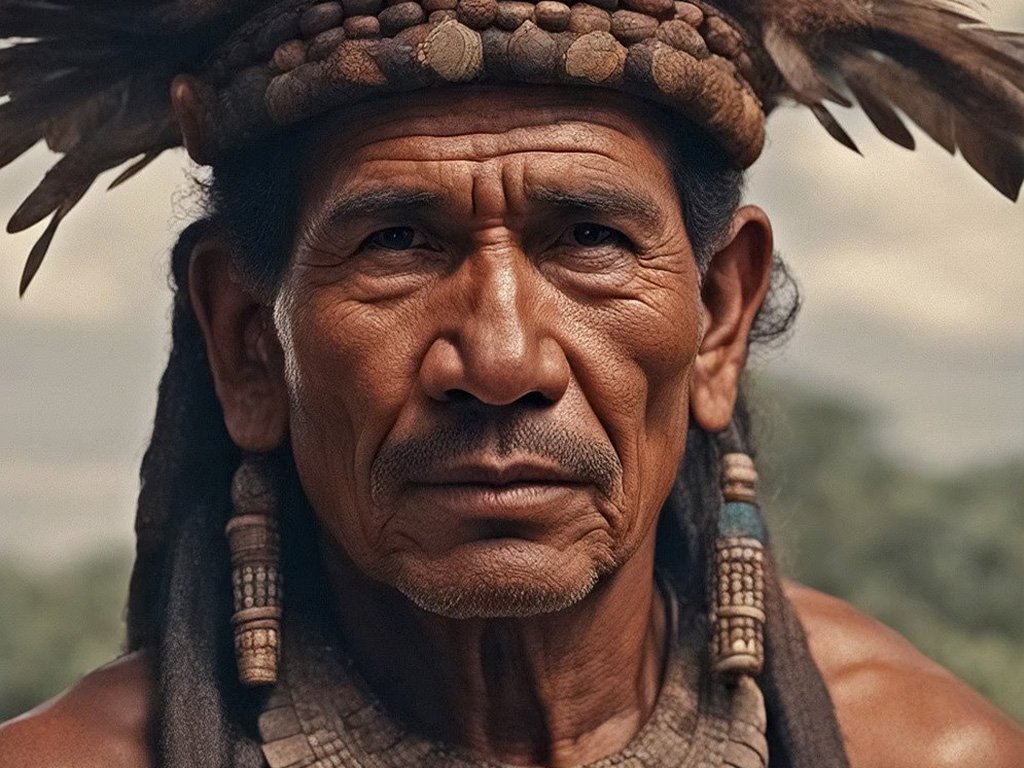
What is an Ayahuasca Shaman? Shamans have long been revered as spiritual leaders, healers, and guides who bridge the gap between the physical world and the spiritual realm. But what exactly is a shaman, and what role do they play in society, particularly in the rich and mysterious traditions of the Amazon? In this post, we’ll explore the history of shamanic practices, with a focus on Amazonian shamans who use ayahuasca, and how these spiritual healers connect with the spiritual world to bring healing and wisdom to their communities. Illustration of a South American Shaman in the jungle singing to the nature what is an ayahuasca Shaman? The Origins and History of Shamans The concept of the shaman is ancient, stretching back thousands of years. The word “shaman” itself comes from the Tungusic (Mongolia) word “šaman,” which means “one who knows.” Shamans have been found in indigenous cultures across the world, from Siberia to North America, and Africa to Asia. However, the shamanic practices of the Amazon rainforest hold a particularly unique place in the spiritual history of the world, especially those involving the use of ayahuasca. In the Amazon, shamans are known as “curanderos” or “ayahuasqueros,” and they have been using the powerful plant medicine ayahuasca for centuries to heal, guide, and connect with the spiritual world. Ayahuasca, a potent brew made from the Banisteriopsis caapi vine and the leaves of the Psychotria viridis plant, is central to their practices. It is considered a sacred medicine that allows shamans to communicate with the spirits, gain insight into the spiritual causes of illness, and facilitate profound healing experiences. The Role of the Ayahuasca Shaman in Society In Amazonian cultures, the shaman holds a place of great respect and authority. An Ayahuasca Shaman is seen as a healer, teacher, and protector of both the physical and spiritual health of their community. These shamans undergo rigorous training, to learn the complex rituals, songs, and healing techniques passed down through generations. One of the primary roles of the Ayahuasca Shaman is to perform healing ceremonies, known as “ceremonias de ayahuasca.” During these ceremonies, participants drink the ayahuasca brew under the shaman’s guidance. The shaman then leads the ceremony with the help of “icaros,” sacred songs that guide the journey, protect the participants, and call upon the spirits for healing. The healing magic of the shaman lies in their ability to navigate the spiritual world. When under the influence of ayahuasca, shamans enter a heightened state of consciousness, allowing them to perceive the spiritual forces at play in a person’s life. They can see the roots of physical, emotional, and spiritual ailments, which are often linked to spiritual imbalances, past traumas, or negative energies. Taita Mayor Querubín Queta Alvarado Pueblo Cofán Healing and Communication with the Spiritual World Shamans believe that the spiritual world is intricately connected with our physical existence. According to shamanic practices, everything in the universe has a spirit—animals, plants, rivers, and even illnesses. Through their connection with these spirits, shamans can diagnose and treat various ailments that modern medicine might not address. During an ayahuasca ceremony, the shaman enters a state of deep communication with the spiritual world. They may encounter spirit guides, ancestors, or even the spirits of the plants themselves. These spiritual beings provide the shaman with knowledge, guidance, and the power to heal. The shaman acts as a mediator, bringing this wisdom back to the physical world to help those in need. The healing magic of the Ayahuasca Shaman is not just about curing diseases but also about restoring balance and harmony in a person’s life. Whether it’s cleansing negative energies, breaking destructive patterns, or facilitating personal and spiritual growth, the shaman’s work is deeply transformative. Many who participate in these ceremonies report profound changes in their lives, including improved mental and emotional well-being, a deeper connection to their true selves, and a newfound sense of purpose. The Continuing Legacy of Ayahuasca Shamans In today’s world, where many are seeking alternative forms of healing and spiritual connection, the role of the Ayahuasca Shaman has gained global recognition. People from all over the world travel to the Amazon to experience the profound healing that these shamans offer. However, it is essential to approach these practices with respect and reverence for the traditions and cultures they come from. Ayahuasca shamans continue to play a vital role in preserving the spiritual and cultural heritage of the Amazon. They remind us that true healing comes not just from treating symptoms but from addressing the root causes of our suffering, often found in the unseen spiritual realms. Taita Mayor Querubín Queta Alvarado Pueblo Cofán Conclusion Shamans, particularly those in the Amazon who work with ayahuasca, are much more than just healers; they are the keepers of ancient wisdom, bridging the gap between the physical and spiritual worlds. Through their shamanic practices, Ayahuasca Shamans offer a pathway to healing, self-discovery, and spiritual awakening. Whether you’re drawn to their work out of curiosity or a deep need for healing, the journey with a shaman can be a life-changing experience, reminding us of the profound connection between all living things and the unseen spiritual world. Master plan retreat blog Blog & News All Post Blog & News Holistic Therapies Sacred Medicines Sin categorizar Back Ayahuasca Rapé Sananga Kambó Back Tarot Reading Emotional Massage Breathwork Meditation Dr. Gabor Maté and Ayahuasca Healing: Trauma, Wholeness and the True Self February 16, 2026/No Comments Dr. Gabor Maté and Ayahuasca Healing: Trauma, Wholeness and the True Self Dr. Gabor Maté and Ayahuasca Healing: Trauma, Wholeness… Read More Ayahuasca in Spain: Benefits, Tradition, and Current Legal Context February 16, 2026/No Comments Ayahuasca in Spain: Benefits, Tradition, and Current Legal Context Ayahuasca in Spain: Benefits, Tradition, and Legal Context Today Interest in… Read More Why Plant Medicine Retreats Are Rising in Modern Life February 16, 2026/No Comments Why Plant Medicine Retreats Are Rising in Modern Life In modern life, presence has become a luxury. The Nervous System… Read More What
¿Qué es un chamán de la ayahuasca?
¿Qué es un chamán de la ayahuasca? Los chamanes han sido venerados durante mucho tiempo como líderes espirituales, sanadores y guías que tienden puentes entre el mundo físico y el reino espiritual. Sin embargo, ¿qué es un chamán de ayahuasca exactamente y qué papel desempeña en la sociedad, especialmente dentro de las ricas y misteriosas tradiciones del Amazonas? En este post exploraremos la historia de las prácticas chamánicas, centrándonos en el chamán de ayahuasca amazónico y en cómo estos sanadores espirituales utilizan la ayahuasca para conectar con el mundo espiritual y aportar curación y sabiduría a sus comunidades. Illustration of a South American Shaman in the jungle singing to the nature ¿qué es un chamán de ayahuasca? Orígenes e historia del chamán de ayahuasca El concepto de chamán es antiguo y se remonta a miles de años. La propia palabra “chamán” procede del tungúsico (Mongolia) “šaman”, que significa “el que sabe”. Se han encontrado chamanes en culturas indígenas de todo el mundo, desde Siberia hasta Norteamérica, y desde África hasta Asia. No obstante, las prácticas chamánicas de la selva amazónica ocupan un lugar especialmente singular en la historia espiritual del mundo, sobre todo aquellas vinculadas al chamán de ayahuasca y al uso ceremonial de esta medicina ancestral. En el Amazonas, los chamanes son conocidos como “curanderos” o “ayahuasqueros”. Desde hace generaciones, el chamán de ayahuasca ha utilizado la poderosa planta medicinal ayahuasca para curar, guiar y conectar con el mundo espiritual. La ayahuasca, un potente brebaje elaborado con la vid Banisteriopsis caapi y las hojas de Psychotria viridis, es fundamental en sus prácticas. Se considera una medicina sagrada que permite al chamán de ayahuasca comunicarse con los espíritus, comprender las causas espirituales de las enfermedades y facilitar experiencias profundas de transformación. El papel del chamán de la ayahuasca en la sociedad En las culturas amazónicas, el chamán de ayahuasca ocupa un lugar de gran respeto y autoridad. Es considerado sanador, maestro y protector de la salud física y espiritual de su comunidad. Además, representa un guardián de la sabiduría ancestral transmitida oralmente. Estos chamanes se someten a un riguroso entrenamiento para aprender los complejos rituales, dietas, cantos e icaros que han sido transmitidos de generación en generación. Asimismo, desarrollan una profunda disciplina espiritual que les permite sostener el espacio ceremonial con integridad. Una de las principales funciones del chamán de ayahuasca es realizar ceremonias de curación conocidas como “ceremonias de ayahuasca”. Durante estas ceremonias, los participantes beben la infusión bajo su guía directa. A continuación, el chamán dirige el proceso con la ayuda de los icaros, cantos sagrados que orientan el viaje, protegen a los participantes e invocan a los espíritus para facilitar la curación. Taita Mayor Querubín Queta Alvarado Pueblo Cofán Curación y comunicación con el mundo espiritual La magia curativa del chamán de ayahuasca reside en su capacidad para navegar por el mundo espiritual con claridad y discernimiento. Cuando se encuentra bajo la influencia de la ayahuasca, entra en un estado ampliado de conciencia que le permite percibir fuerzas espirituales que normalmente permanecen invisibles. En este estado, puede identificar las raíces de dolencias físicas, emocionales y espirituales. Con frecuencia, estas raíces están relacionadas con desequilibrios energéticos, traumas del pasado o cargas espirituales no resueltas. Según la cosmovisión chamánica, el mundo espiritual está íntimamente relacionado con nuestra existencia física. De hecho, todo en el universo posee espíritu: animales, plantas, ríos e incluso enfermedades. Por lo tanto, el chamán de ayahuasca actúa como mediador entre estas dimensiones. Durante la ceremonia, puede encontrarse con guías espirituales, antepasados o espíritus de las propias plantas. Estos seres proporcionan orientación, conocimiento y poder de curación. El chamán, entonces, integra esa sabiduría y la trae de vuelta al mundo físico para ayudar a quienes participan en el proceso. La labor del chamán de ayahuasca no consiste únicamente en tratar enfermedades. Más bien, busca restablecer el equilibrio y la armonía en la vida de la persona. Ya sea limpiando energías negativas, rompiendo patrones destructivos o facilitando crecimiento espiritual, su trabajo es profundamente transformador. Muchos participantes en estas ceremonias reportan cambios significativos, incluyendo una mejora en el bienestar emocional, mayor claridad interior y una conexión más profunda con su propósito de vida. El legado continuado de los chamanes de la ayahuasca En el mundo actual, donde cada vez más personas buscan formas alternativas de sanación y conexión espiritual, el papel del chamán de ayahuasca ha ganado reconocimiento internacional. Sin embargo, es esencial acercarse a estas prácticas con respeto y reverencia hacia las tradiciones culturales de las que proceden. No se trata simplemente de una experiencia, sino de una relación profunda con un linaje espiritual. Los chamanes de ayahuasca siguen desempeñando un papel vital en la conservación del patrimonio espiritual y cultural del Amazonas. Nos recuerdan que la verdadera curación no consiste solo en aliviar síntomas, sino en comprender y abordar las causas profundas del sufrimiento humano. Taita Mayor Querubín Queta Alvarado Pueblo Cofán Conclusión El chamán de ayahuasca, especialmente dentro de las tradiciones amazónicas, es mucho más que un curandero. Es un guardián de sabiduría ancestral que tiende puentes entre los mundos físico y espiritual. A través de sus prácticas chamánicas, el chamán de ayahuasca ofrece un camino hacia la curación, el autodescubrimiento y el despertar espiritual. Ya sea que alguien se acerque por curiosidad o por una necesidad profunda de transformación, comprender qué es un chamán de ayahuasca permite hacerlo con mayor conciencia y respeto. Blog del retiro del plan maestro Blog y Noticias Todos los puestos Ayahuasca Blog & News Holistic Therapies Sacred Medicines Sananga Sin categorizar Terapias holísticas Back Ayahuasca Back Breathwork Emotional Massage Meditation Tarot Reading Dr Gabor Maté y Ayahuasca Sanación Trauma: Trauma, Totalidad y el Verdadero Ser febrero 16, 2026/Sin comentarios Dr Gabor Maté y Ayahuasca Sanación Trauma: Trauma, Totalidad y el Verdadero Ser Dr Gabor Maté y Ayahuasca Sanación Trauma… Sigue leyendo Ayahuasca en España: beneficios, tradición y contexto legal actual febrero 16, 2026/Sin comentarios Ayahuasca en España: beneficios, tradición y contexto legal actual Ayahuasca en España: beneficios, tradición
Prepare for an Ayahuasca Experience
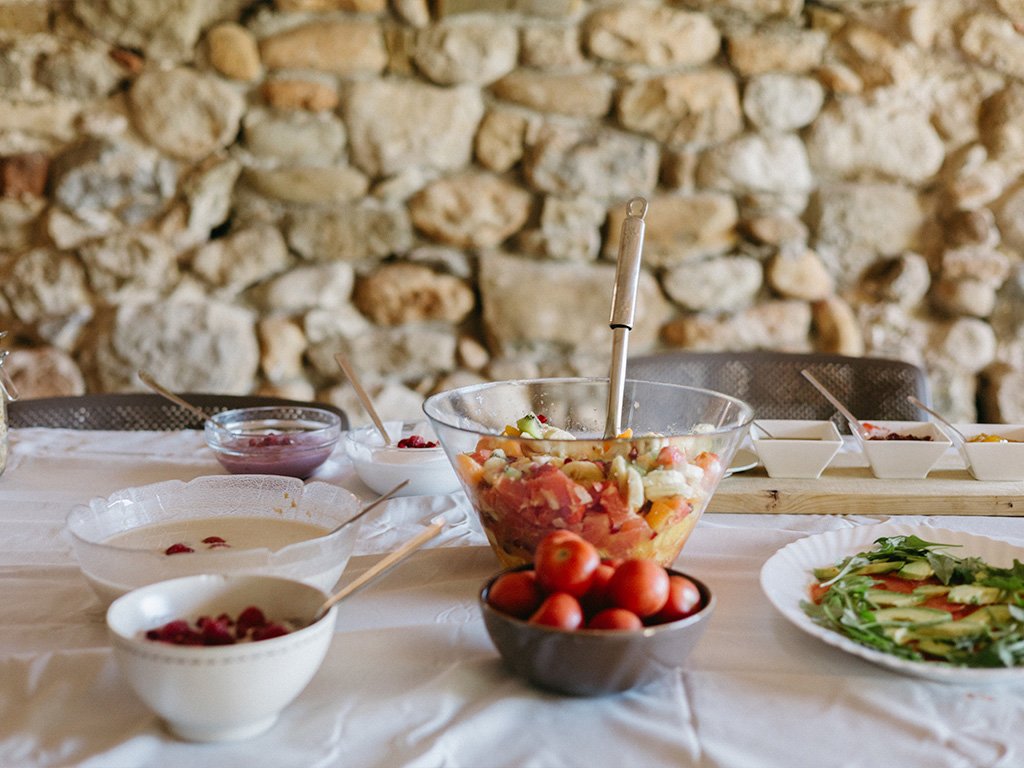
How to Prepare for an Ayahuasca Experience Your essential guide to prepare for an ayahuasca experience Before your retreat is essential to know how to prepare for an ayahuasca experience. The traditional diet associated with Ayahuasca is designed to enhance your sensitivity to the plant’s spiritual and healing potential, we are what we eat, and cleaning your organism from toxicity will create a spiritual temple for the medicine to work within you. Indigenous traditions have found that a preparatory diet increases the body’s receptiveness to these plants, and following this guide will help you go through a process with much more clarity and less suffering and purging. This practice involves abstaining from flavorful foods, sexual activity, and excessive social interactions, which will help you connect more deeply with plant spirits and with yourself. Choosing the right foods to prepare for an ayahuasca experience learning la dieta to prepare for an ayahuasca experience “LA DIETA” GUIDELINES To fully benefit from your retreat, it’s advised to start the Ayahuasca diet three to four weeks in advance. Continuing the diet for a week after your retreat can further enhance the benefits. The diet involves: Avoiding foods such as aged cheeses and processed meats. Eliminating drugs, stimulants, and depressants like caffeine and alcohol or marihuana. Cutting out salt, sugar, and processed foods to help cleanse the body of toxins. Avoiding sexual activity to maintain your own energy. The simplest diet is to eat light vegetarian food for three days before and after the Aya ceremony, with moderate to low levels of salt, sugar, and fat. Eating only raw food on the day of the ceremony is most recommended. What do I eat on the day of the Ayahuasca ceremony? The best “dieta” for the day of the ceremony begins with a simple vegan breakfast and launch, neutral and easy-to-digest fruits like apples, apricots, berries, or bananas, and plenty of water. We recommend that you do not eat after 3:00pm, or at least five hours prior to the session. This gives the body a very light feeling and can help to decrease the heaviness of purging during the ceremony. What shoud I do to prepare my mind and spirit for the ceremony? As you get ready for your Ayahuasca retreat, preparing your mind and spirit is just as important as preparing your body. This spiritual readiness is key to maximizing the healing potential of your retreat. Marcelo Explaining how to follow the ayahuasca diet before and after the retreat. how to prepare before the ayahuasca retreat Your body is your temple: Essential tips to prepare. Things to avoid before and after the retreat: One month before: All anti-depressant medications, alcohol, and other recreational drugs. Two weeks before and after: Pork, red meats, cheese, dairy, and sexual relations. One week before and after: Salt, pepper, refined sugars, caffeine, fermented and spicy foods, supplements. If you need to take any prescription drugs (Please consult with us), we will check with our doctor or recommend you to have a 1:1 session with him. FOODS TO EMBRACE: Legumes, beans, and peas. Rice, buckwheat, oats, barley, or other cereals. All vegetables, fresh and cooked, except onions, garlic, and leeks. Fresh fruits and natural juices. Herbal teas, coconut water, and plain water. Fresh organic eggs, avoid on the day of the ceremony. Olive oil or ghee instead of other cooking oils, and avoid fried food altogether. last tips on how to prepare before the ayahuasca retreat Essential tips to prepare your mind and spirit: Reflect on Your Healing Needs Before your retreat, take some quiet time to reflect on aspects of your life that need healing. This could be emotional wounds, unresolved conflicts, or personal barriers that hinder your growth. Understanding these areas will help you approach the retreat with a focused intention of seeking clarity and resolution. Surround Yourself with Positive Energy The energy you carry into your life is influenced by the people and environment around you. In the weeks leading up to your retreat, try to surround yourself with supportive and positive people. Minimize contact with negative influences and stressful situations. This helps create a peaceful mental space and aligns your energy with the healing process. Setting Intentions Setting clear intentions is a powerful way to guide your experience. An intention isn’t just a goal; it’s a heartfelt direction that helps steer your spiritual journey. Before the retreat, write down what you wish to achieve or discover through Ayahuasca. Whether it’s insight, liberation from specific issues, or deeper self-understanding, your intentions will serve as beacons throughout your journey. The Importance of Compliance Adhering to the Ayahuasca diet not only prepares your body for the physical aspects of the purge but also sets the intention for a transformative experience. It’s crucial to approach the diet with dedication, recognizing that what you consume profoundly affects your spiritual journey. What to expect after the retreat After the retreat, many find that they naturally gravitate towards healthier choices, both in terms of diet and personal relationships. The insights and shifts experienced during the retreat often create a newfound awareness of what’s beneficial for you. Allow yourself to flow with this natural tendency to nurture healthier habits and connections, reinforcing the positive changes initiated by your Ayahuasca experience. last tips on how to prepare before the ayahuasca retreat How We Help You Prepare at Master Plan Retreat At Master Plan Retreat, we believe that preparation is part of the ceremony itself. When you apply to join one of our retreats, we do not simply confirm your participation. Instead, we begin a structured preparation process designed to support safety and psychological readiness. First, every participant completes a detailed health screening form. We carefully review medical history, medications, and psychological background. In some cases, follow-up clarification or medical consultation may be required. Once approved, we send you our comprehensive dieta guidelines, including a suggested start date based on your retreat schedule. This provides clarity on when and how to begin preparation in a structured
How to Integrate Your Ayahuasca Experience
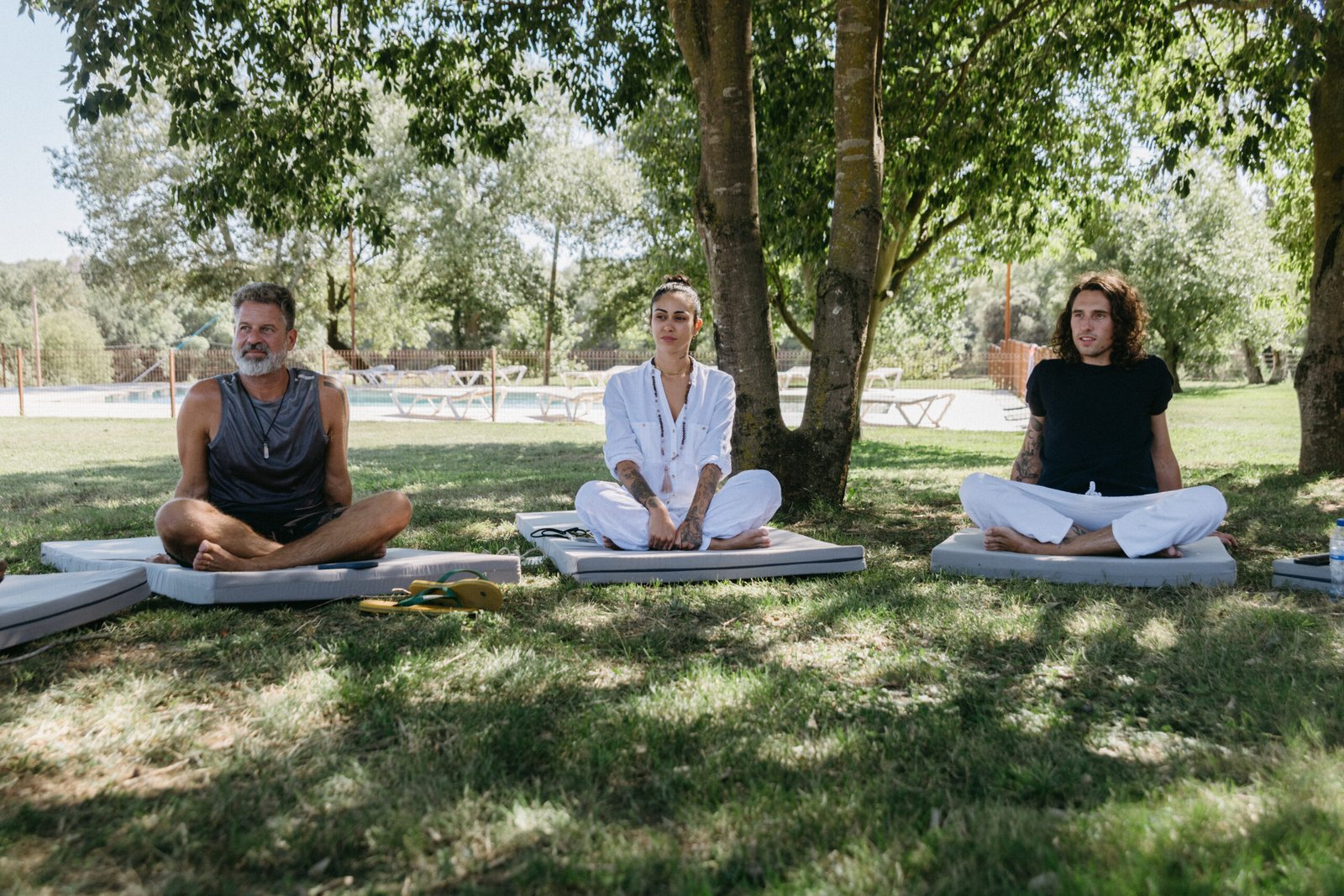
How to integrate you Ayahuasca Experience To integrate your Ayahuasca experience into your daily life is essential if you wish to receive long-term benefits for your personal and spiritual development. The experience itself may have been intense, revealing, and deeply transformative. However, the real work begins when you return to your usual environment. After the ceremony, everything may feel clearer. You may feel renewed, expanded, and more deeply connected to life. Nevertheless, as you return to your routine, responsibilities, relational dynamics, and old habits reappear. For this reason, to integrate your Ayahuasca experience does not simply mean remembering what happened. It means translating insight into grounded action within your everyday reality. How can we mantain the love and clarity afteror the Ayahuasca Experience? learning how to integrate your ayahuasca experience Why It Is Essential to Integrate Your Ayahuasca Experience It is common to feel a strong contrast between your internal state after the experience and the demands of daily life. In addition, powerful impulses to change many aspects of your life at once may arise. However, integration requires stability and patience. It involves gradually incorporating the insights you received, without forcing abrupt transformations. To integrate your Ayahuasca experience means cultivating coherence, discipline, and presence. It is a process of inner maturation that unfolds over time. Caring for the Body as the Foundation of Integration The body is your first anchor. Maintaining balanced nutrition, avoiding excess, and sustaining self-care practices help stabilize the process. Likewise, practices such as conscious breathing, meditation, and mindful movement regulate the nervous system and support mental clarity. Before making major life decisions, it is wise to strengthen foundational habits. Physical balance creates the necessary conditions to integrate your Ayahuasca experience in a grounded and sustainable way. What you choose to consume, think, and energetically engage with directly influences your stability. Organizing the Experience on a Mental and Emotional Level Integration also requires conscious reflection. Writing in a journal helps structure perceptions and organize internal insights. Recording emotions, realizations, and patterns allows you to better understand which changes are sustainable and which require more time. Furthermore, identifying limiting beliefs that surfaced during the experience can offer clarity about internal dynamics that need attention. To integrate your Ayahuasca experience does not mean acting impulsively. On the contrary, it means observing carefully, reflecting deeply, and applying gradual adjustments. The Importance of a Conscious Support Network After a profound experience, relationships may feel different. This is natural. Internal shifts often lead to relational recalibration. Choosing intentionally who you share your process with is part of integration. Not everyone will understand what you experienced, and that is not a problem. Seeking spaces where you can speak freely without judgment supports clarity. In addition, connecting with individuals engaged in personal growth may provide stability. To integrate your Ayahuasca experience is not an isolated journey. Conscious community plays an important regulatory role. Chatting with like minded people during and after the retreat learning how to integrate your ayahuasca experience Professional Therapeutic Integration In some cases, the experience may activate intense emotions, deep memories, or complex psychological processes. For this reason, professional therapeutic integration can be essential. Individual support sessions allow you to explore what surfaced with greater depth, organize emotional content, and translate spiritual insights into practical actions within daily life. Integration is not always linear. There may be periods of sensitivity, confusion, or existential questioning. Having a structured and safe professional space helps navigate these stages with greater stability. At Master Plan Retreat, we offer a post-retreat integration journey that includes individual sessions, which can be scheduled every two weeks according to each person’s rhythm. During these sessions, we work with various personal development techniques, emotional regulation tools, somatic integration methods, and psychological clarity frameworks. The intention is not to direct your process, but to provide a professional container in which you can deepen safely and responsibly. The experience does not end when the ceremony concludes. Transformation consolidates through sustained integration. Seeking professional support is an act of responsibility and maturity. Taking Time Before Major Decisions After an intense experience, strong impulses for immediate change may arise. Nevertheless, it is advisable to wait before making significant life decisions. Allowing emotions to settle creates space for clearer discernment. To integrate your Ayahuasca experience means responding consciously rather than reacting from intensity. Patience strengthens discernment. Integration as an Ongoing Process To integrate your Ayahuasca experience is a process that unfolds over time. Maintaining self-care practices, reflective awareness, and conscious support helps sustain internal balance. There may be setbacks. This does not invalidate the process. Rather, it offers information about areas that still require attention. Accept mistakes, adjust behaviors, and continue forward with responsibility. Authentic integration is progressive, not immediate. Conclusion To integrate your Ayahuasca experience into your daily life requires commitment, discipline, and appropriate support. It is not only about remembering what occurred, but about applying its teachings with coherence in everyday living. When integration is approached with maturity, the insights gained can become real and sustainable change. The true process begins afterward. If you are considering participating in an Ayahuasca retreat within a structured and responsible environment, we invite you to learn more about our retreats and the integration framework we offer. Beyond the ceremonial experience, we provide a structured integration journey designed to support you in the weeks following the retreat. This includes biweekly individual sessions where we work with emotional regulation, psychological clarity, and practical personal development tools tailored to your process. We believe that meaningful transformation emerges when preparation, integration, and conscious support are aligned. If you would like to understand how our retreats function and how our therapeutic integration journey is structured, we invite you to take the next step with discernment. Discover our retreats and learn more about our integration pathway.
The Ultimate Guide to Choosing the Perfect Ayahuasca Retreat
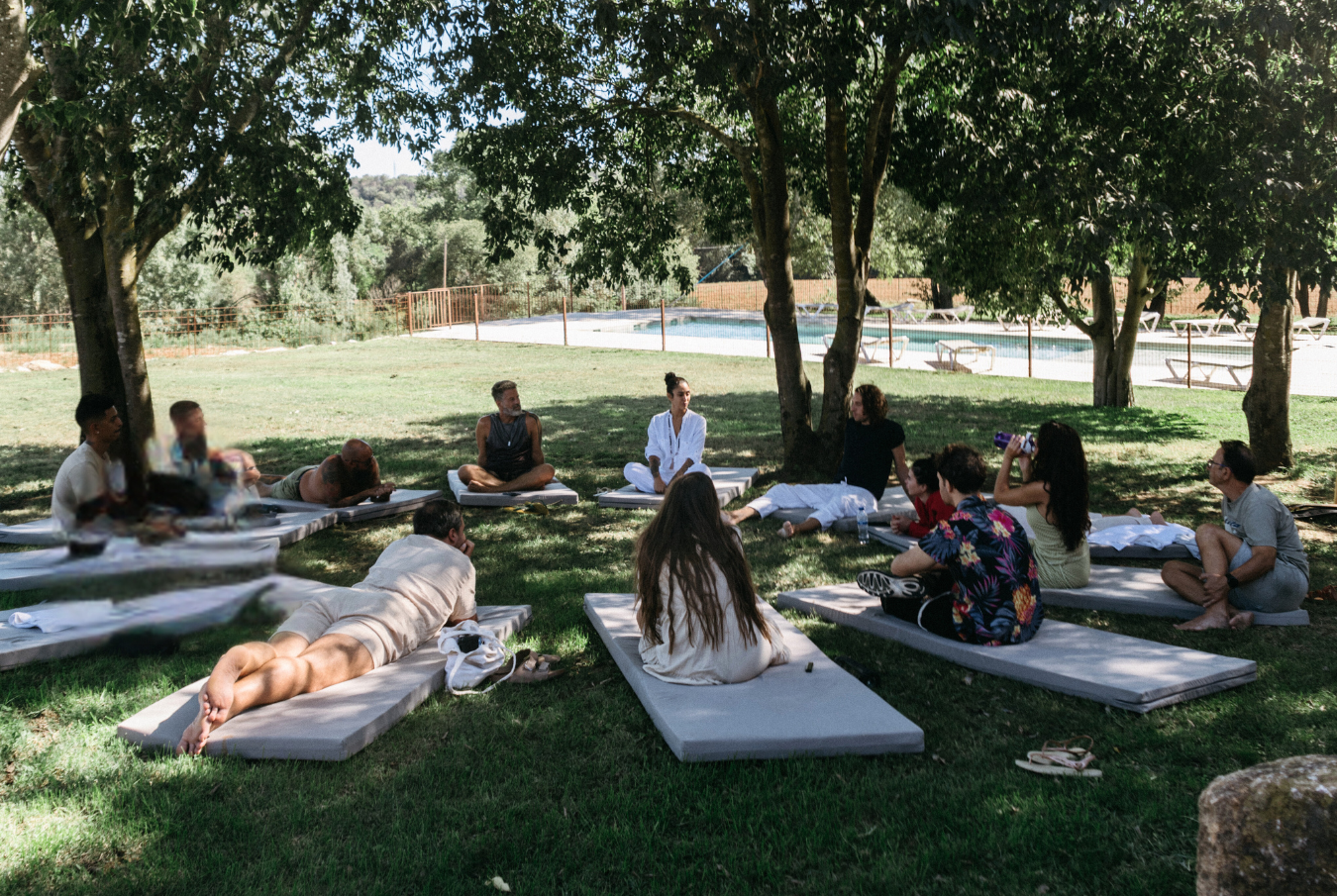
The Ultimate Guide to Choosing the perfect Ayahuasca Retreat In the Ultimate Guide to Choosing the Perfect Ayahuasca Retreat, we explore the most important factors you should consider before making a decision. Choosing carefully ensures that your experience supports your personal development in safe and appropriate conditions. You have been interested in ayahuasca for some time. Finally, you feel the call and you are ready to join a retreat. However, after searching online, doubts begin to arise. You may not be sure which option is best for you. Should you travel to the jungle?Would a two-day retreat near your city be enough?Do you feel comfortable sharing a room with someone you do not know? These questions are completely natural. In fact, choosing the right retreat deserves reflection and clarity. BY Master Plan ayahuasca retreats Why Is It Important to Choose the Right Ayahuasca Retreat? Ayahuasca ceremonies are intense and deeply transformative. When they are guided by experienced and ethical facilitators within a structured environment, they can unfold in safe conditions. However, when they are led by individuals without proper preparation or without genuine care for participants, risks increase significantly. Problems can arise in different ways. For example, the brew may be poorly prepared or sourced irresponsibly. In other cases, facilitators may lack the ability to support participants physically and emotionally during challenging moments. Moreover, joining a group without prior screening can create instability. Without proper evaluation, you may find yourself sharing space with individuals who are not psychologically prepared. Occasionally, some participants may approach the experience with a superficial mindset, misunderstanding the seriousness of the process. For this reason, pre-screening, clear communication, and ethical structure are not minor details. They are essential components of a responsible retreat. At Master Plan, we schedule a video call with each participant before confirming attendance. This allows us to understand their intentions, clarify expectations, and ensure that everyone fully understands the depth and seriousness of this type of retreat. Additionally, we verify that dietary guidelines and health requirements are properly followed. In this Ultimate Guide to Choosing the Perfect Ayahuasca Retreat, we will also address common myths and realities, based on years of observing participants experience ayahuasca in many different settings. Let us now explore the key considerations. Last integration circle with Fransie Playing a last song before saying goodbye. Safety and Responsibility as the Primary Criteria Ayahuasca ceremonies are intense and deeply transformative. When they are facilitated by experienced shamans and guides within a structured and responsible framework, they can unfold in safe conditions. However, when they are led by individuals without proper training or without genuine commitment to participants’ wellbeing, the risks increase significantly. Problems may arise in different ways. For example, the brew may be poorly prepared or of questionable origin. In other cases, facilitators may lack the ability to support participants physically and emotionally during challenging moments. Furthermore, joining a group without prior screening can create unstable dynamics. When there is no selection process or preliminary conversation, you may find yourself sharing space with individuals who are not psychologically prepared. In some situations, participants may approach the experience with a superficial mindset, misunderstanding the seriousness of the ceremonial context. This can distort the integrity of the space. For this reason, pre-screening and clarity of expectations are not minor details. They are fundamental components of a responsible retreat. At Master Plan, we schedule a video call with every participant before confirming attendance. This conversation allows us to understand each person’s intentions, clarify questions, and ensure that everyone fully recognizes the depth and seriousness of this type of retreat. In addition, we verify that dietary guidelines and health requirements are being properly followed to support safe participation. In this Ultimate Guide to Choosing the Perfect Ayahuasca Retreat, we will explore common myths and realities surrounding these experiences. Moreover, we will share an honest perspective based on observing hundreds of participants who have experienced ayahuasca in many different environments. Now, let us move forward. How Many Ceremonies Are Recommended? We strongly recommend choosing a retreat that includes at least two ayahuasca ceremonies, especially if it is your first time. During the first ceremony, it is often difficult to fully surrender to the medicine. Expectations may arise, and relaxation can take time. For this reason, the second ceremony often feels more accessible. Once you understand the rhythm of the space, trust deepens. Frequently, the second or third ceremony allows for clearer insights and deeper healing. On the other hand, if you have never attended an ayahuasca retreat before, we do not recommend beginning with more than four ceremonies. Too many ceremonies in a short period may generate more material than you can comfortably integrate. However, if you feel emotionally grounded and capable of processing intense experiences, a longer format may be appropriate. Honest self-assessment is essential. Second Consideration: Location One common question is whether to travel to the Amazon jungle or attend a retreat in Europe. We suggest beginning gradually. As long as the medicine is authentic and the facilitators are experienced, a European retreat can provide a suitable environment for inner growth and personal development. However, if your primary interest lies in learning directly from indigenous traditions, then traveling to the jungle may offer deeper cultural immersion. In our experience, many participants benefit from starting in Europe. This approach can feel more structured and accessible. Later, if a genuine connection with the medicine develops, traveling to the jungle may become a meaningful next step. Each stage has its time. Third Consideration: House and Accommodation There are many types of ayahuasca retreats designed for different individuals. Some take place in urban settings. Others are located in forests or natural environments. You may find retreats in large houses or in traditional malokas. The environment influences the experience. Therefore, choosing a setting that supports calm and introspection is important. At Master Plan, we prioritize comfortable houses surrounded by nature. We also ensure there are enough rooms to preserve privacy and personal space. Rest and personal

