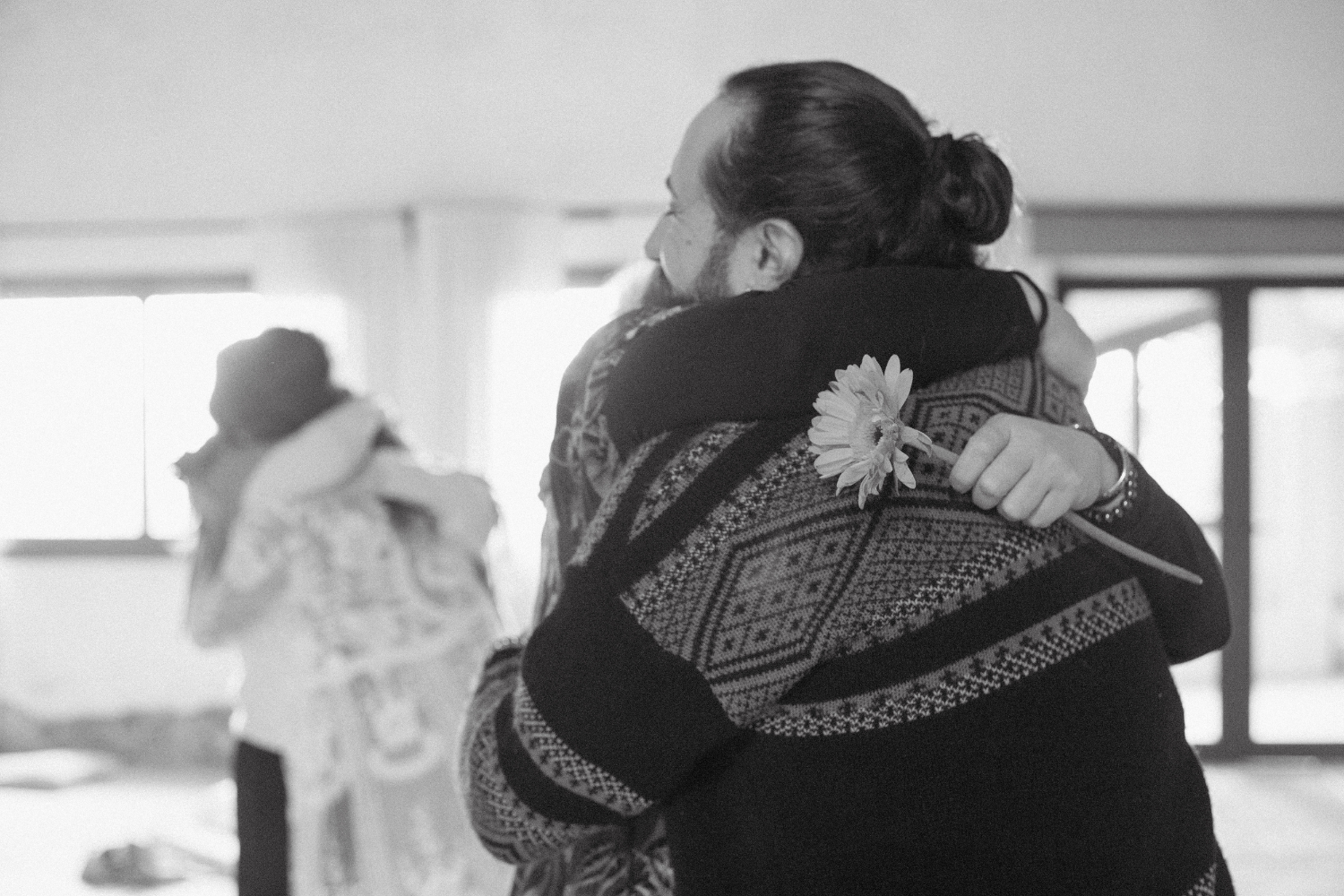
Learn how to safely prepare for an Ayahuasca retreat, from diet and medications to emotional preparation, intention setting, and choosing a safe retreat. Discover why preparation is an essential part of the healing process.
How to Safely Prepare for an Ayahuasca Retreat: A Complete Guide
Learn how to safely prepare for an Ayahuasca retreat, from diet and medications to emotional preparation, intention setting, and choosing a safe retreat. Discover why preparation is an essential part of the healing process.
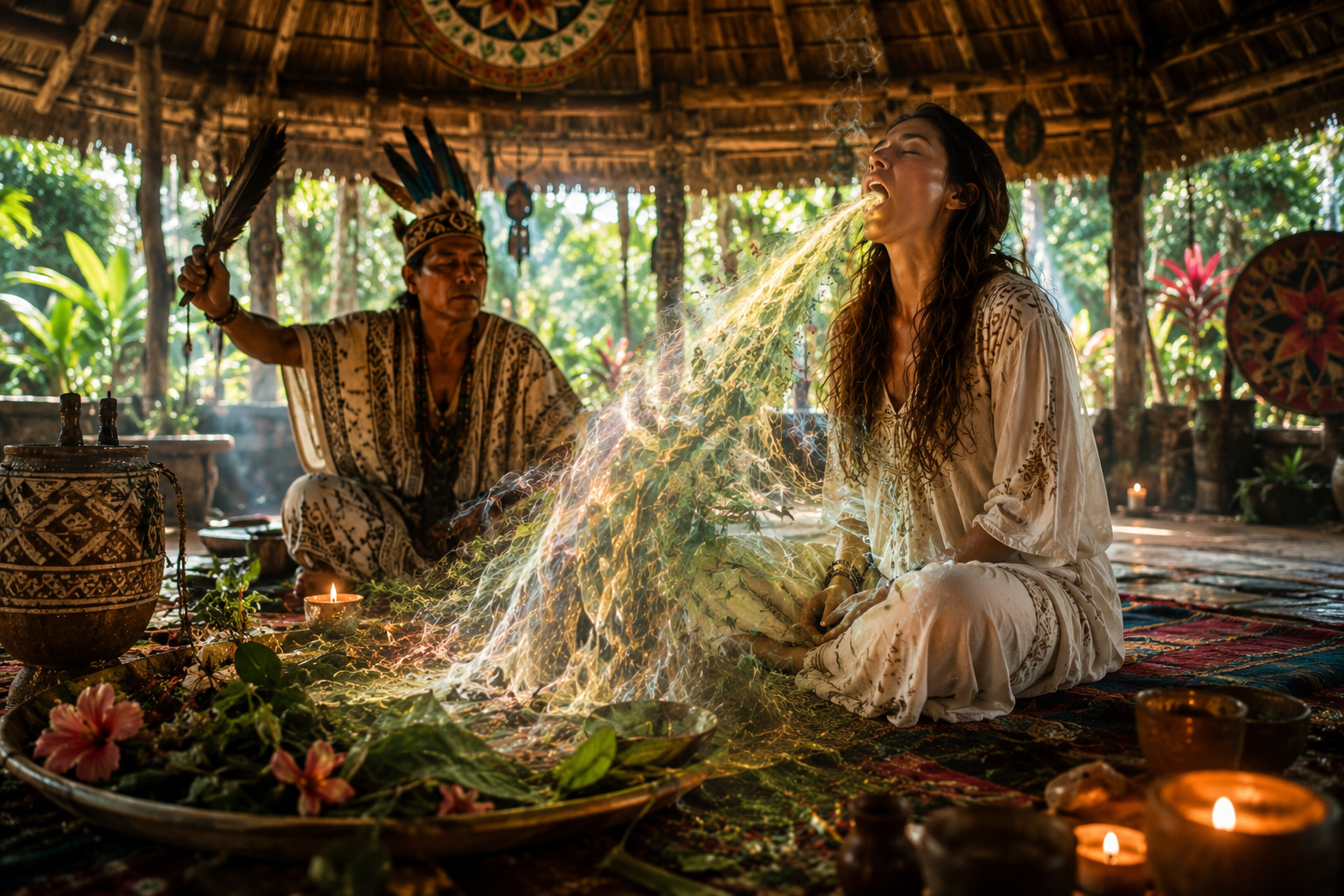
What Is the Purge During Ayahuasca? Understanding Why It Matters
What Is the Purge During Ayahuasca? Learn why purging happens, what it may mean from scientific, psychological, and traditional perspectives, and why integration matters more than the purge itself.
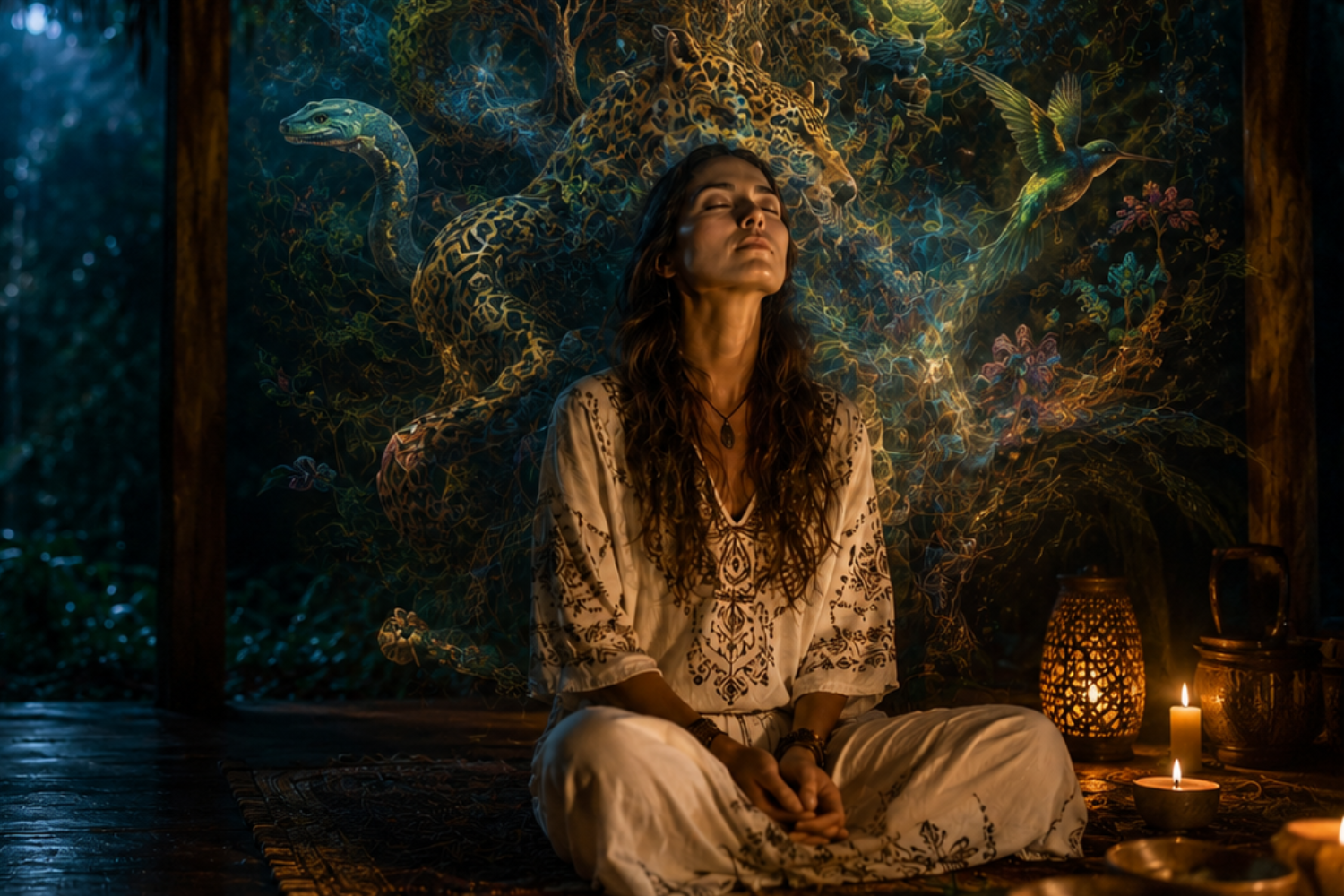
Are Ayahuasca Visions Real? Understanding Symbolism, the Brain, and Integration
Wondering if Ayahuasca visions are real? Learn how symbolism, neuroscience, and therapeutic integration help you understand what you experience.
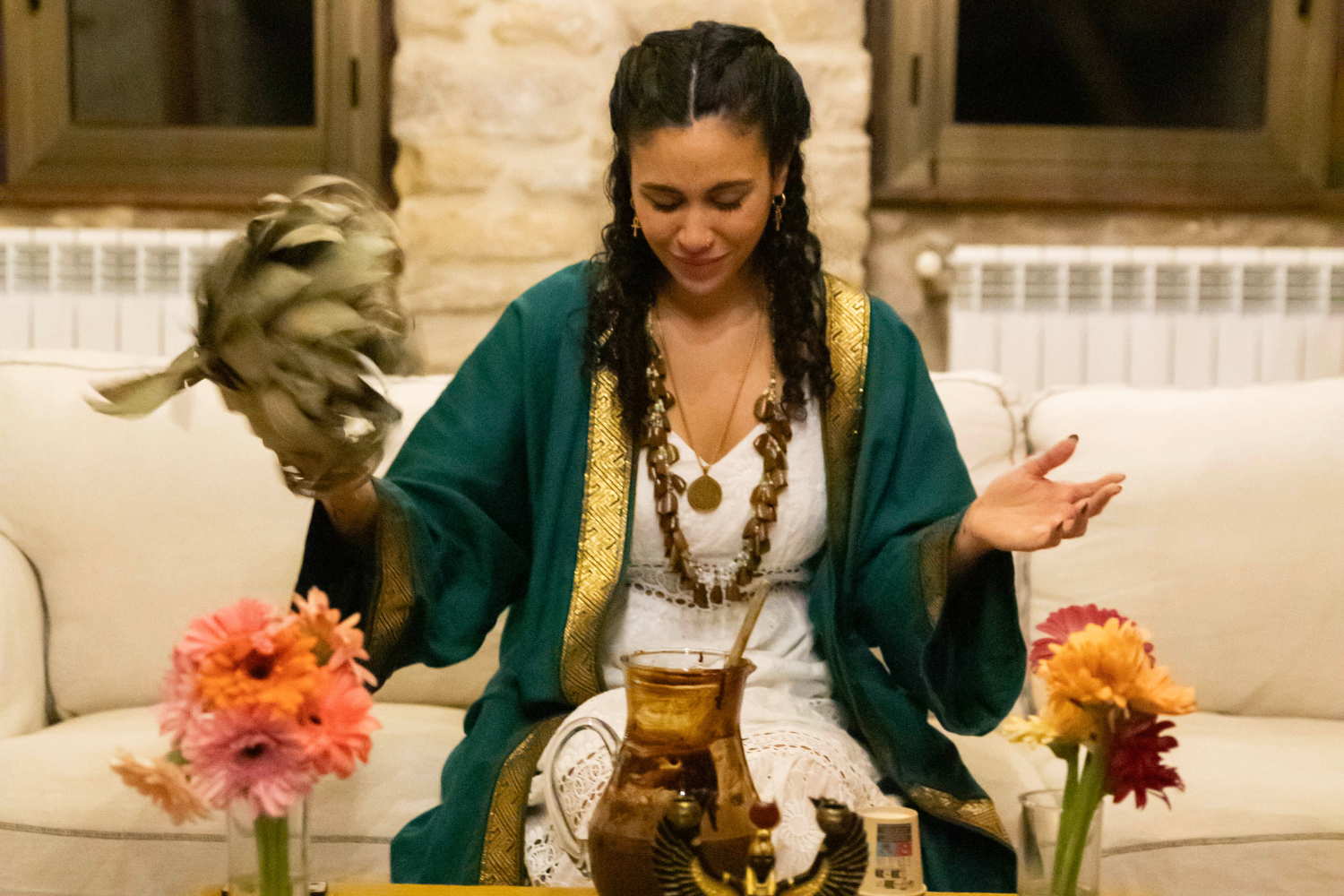
How Ayahuasca Supports Emotional Healing: New Research
New clinical and neuroimaging research is starting to explain how ayahuasca supports emotional healing, from trauma recovery to self-compassion.
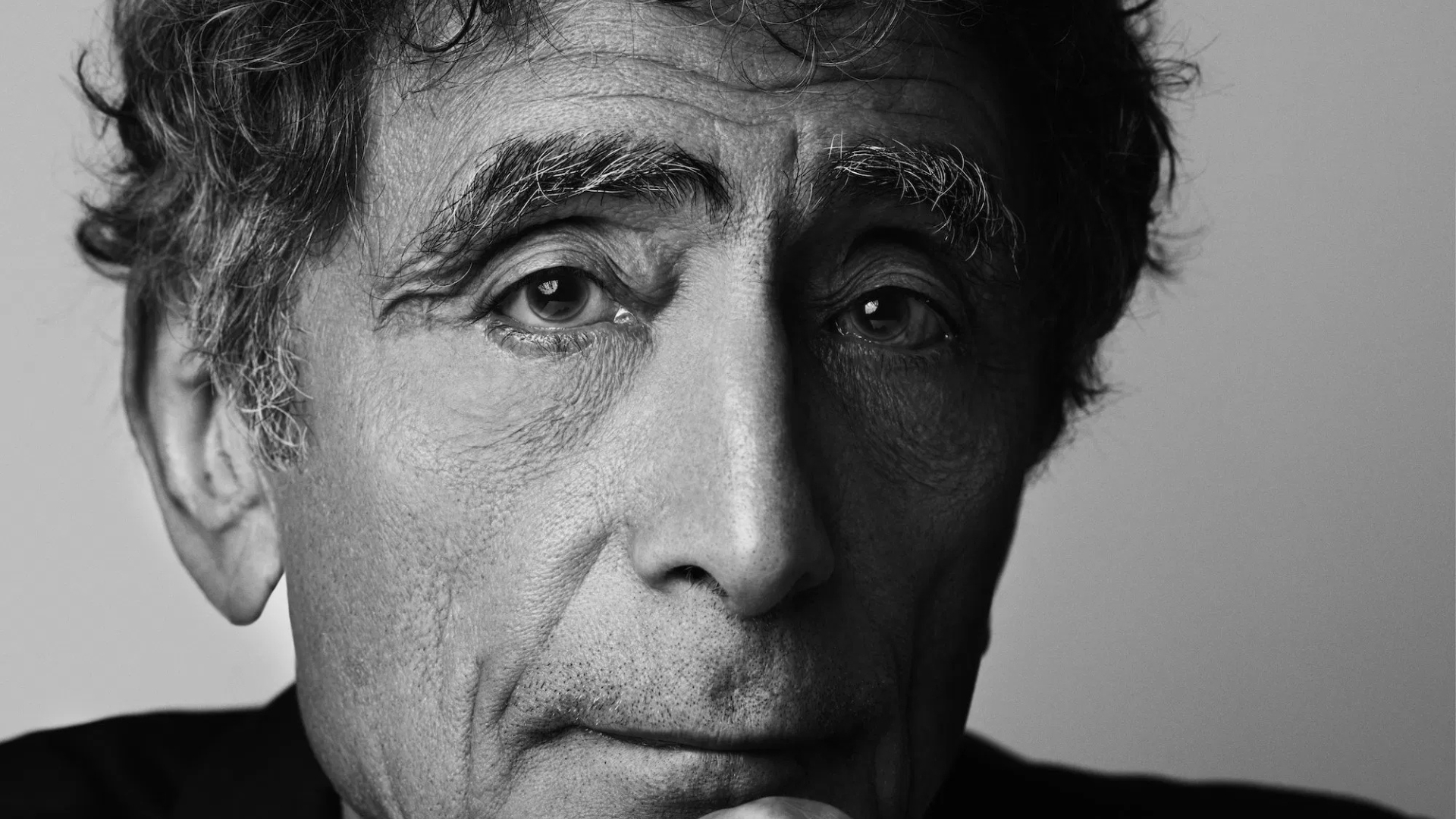
Dr. Gabor Maté and Ayahuasca Healing: Trauma, Wholeness and the True Self
Dr. Gabor Maté and Ayahuasca Healing: Trauma, Wholeness and the True Self Dr. Gabor Maté and Ayahuasca Healing: Trauma, Wholeness and the True Self A renowned speaker, and bestselling author, Dr. Gabor Maté is highly sought after for his expertise on a range of topics including addiction, stress and childhood development. Rather than offering quick-fix solutions to these complex issues, Dr. Maté weaves together scientific research, case histories, and his own insights and experience to present a broad perspective that enlightens and empowers people to promote their own healing and that of those around them. After 20 years of family practice and palliative care experience, Dr. Maté worked for over a decade in Vancouver’s Downtown East Side with patients challenged by drug addiction and mental illness. A Western Physician’s Encounter with Ancient Medicine Dr. Gabor Maté and ayahuasca healing represent a meeting point between trauma science, spiritual insight, and ancestral plant medicine. In his reflections on the healing potential of ayahuasca, Dr. Maté does not frame the experience as mystical escapism or chemical intervention. Instead, he describes it as a profound process of remembering — a reunification of the fragmented self with a deeper and more essential identity. According to Maté, the true healing offered by plant medicine is not about acquiring something new. Rather, it is about recovering what was lost when early trauma forced us to abandon authenticity in order to survive. In his reflections on ayahuasca, Dr. Gabor Maté does not approach the plant as a mystic detached from science. Instead, he writes as a Western-trained physician who has spent decades studying trauma, addiction, and the deep relationship between emotional pain and physical illness. What he describes is not a psychedelic spectacle, but a process of reunification. According to Dr. Maté, ayahuasca healing is not about acquiring something new. Rather, it is about remembering something ancient. Beneath the identities we construct to survive childhood pain lies what he calls the “true self” — the authentic presence we once embodied before trauma forced us to disconnect from it. Through carefully guided ceremonies, he has witnessed individuals rediscover that lost wholeness. In his view, the medicine does not add anything to a person; instead, it removes what never truly belonged to them. Dr. Gabor Maté on Ayahuasca Healing and the Loss of Wholeness At the heart of Dr. Gabor Maté’s view on ayahuasca healing lies a simple yet radical premise: much of human suffering originates in disconnection from the true self. He explains that early emotional wounds create an internal emptiness. In response, we construct identities, behaviors, and compulsions designed to secure love, safety, and belonging. However, these substitutes never truly satisfy us. Instead, they reinforce separation from who we originally were. Through carefully guided ayahuasca experiences, individuals often encounter this emptiness directly. More importantly, they may experience what lies beneath it — vulnerability, authenticity, and an unconditioned sense of self Ayahuasca Healing, Trauma, and the Mind-Body Unity Dr. Gabor Maté consistently emphasizes that trauma is not merely psychological; it is physiological and relational. Therefore, ayahuasca healing must be understood within the broader context of mind-body unity. Modern research increasingly confirms what ancient traditions have long asserted: emotional suppression affects immune function, stress physiology, and long-term health outcomes. While Western medicine excels in acute intervention, it often struggles with chronic illness rooted in unresolved emotional pain. For this reason, Maté views plant medicine not as a replacement for medical science, but as a complementary doorway into deeper integration. Remembering the Self Beneath the Name and Form Drawing from both spiritual teachers and clinical observation, Dr. Maté suggests that much of human suffering stems from over-identification with the constructed self — the name, the role, the diagnosis, the story. During ayahuasca ceremonies, participants often report experiences of expanded awareness. Yet, according to Maté, the true value lies not in mystical visions. Instead, it lies in remembering who they were before fear and conditioning shaped their identity. Some describe feeling beauty independent of physical appearance. Others release lifelong shame. Still others shift their relationship to illness, no longer identifying themselves as “a sick person” even while undergoing treatment. This transformation is subtle but profound. The external condition may remain uncertain. However, the internal posture changes. Peace replaces self-rejection. Compassion replaces judgment. For Dr. Maté, this is the essence of healing. Why Plant Medicine Resonates in the Modern World In industrialized cultures dominated by analytical thinking, emotional pain is often intellectualized rather than processed. Knowledge replaces embodiment. Insight replaces integration. Dr. Maté argues that plant medicine, when approached responsibly, temporarily bypasses the hyperactive cognitive mind. By doing so, it allows deeper layers of truth to emerge. Importantly, he does not romanticize psychedelics. He emphasizes screening, professional guidance, ethical facilitation, and psychological integration. The medicine does not “fix” people. Instead, it reveals the possibility of wholeness. And wholeness, once glimpsed, becomes a compass. Stories of Transformation Through Ayahuasca Healing In recounting the experiences of participants, Dr. Gabor Maté and ayahuasca healing become intertwined through lived transformation rather than theory. For example, one woman described feeling as though her heart underwent surgery during ceremony — not physically, but emotionally. The process removed substitutes she had unconsciously placed in the space of an absent relationship. What followed was grief, release, and eventually relief. Another participant, living with serious illness, reported that after ceremony she no longer identified herself through her diagnosis. Importantly, this did not mean denying reality. Instead, it meant disentangling identity from pathology. As Maté clarifies, healing does not always mean cure. Often, it means peace. Psychedelics, Presence, and Remembering Who You Are Why do plant medicines create such shifts? Dr. Gabor Maté suggests that psychedelics temporarily quiet the narrative mind. As a result, deeper layers of awareness become accessible. The ego loosens its grip. Hidden fears surface. However, alongside pain, something else emerges — a direct encounter with a more spacious identity. Rather than imposing belief, ayahuasca healing allows experience. Rather than adding concepts, it removes defenses. Consequently, participants often describe
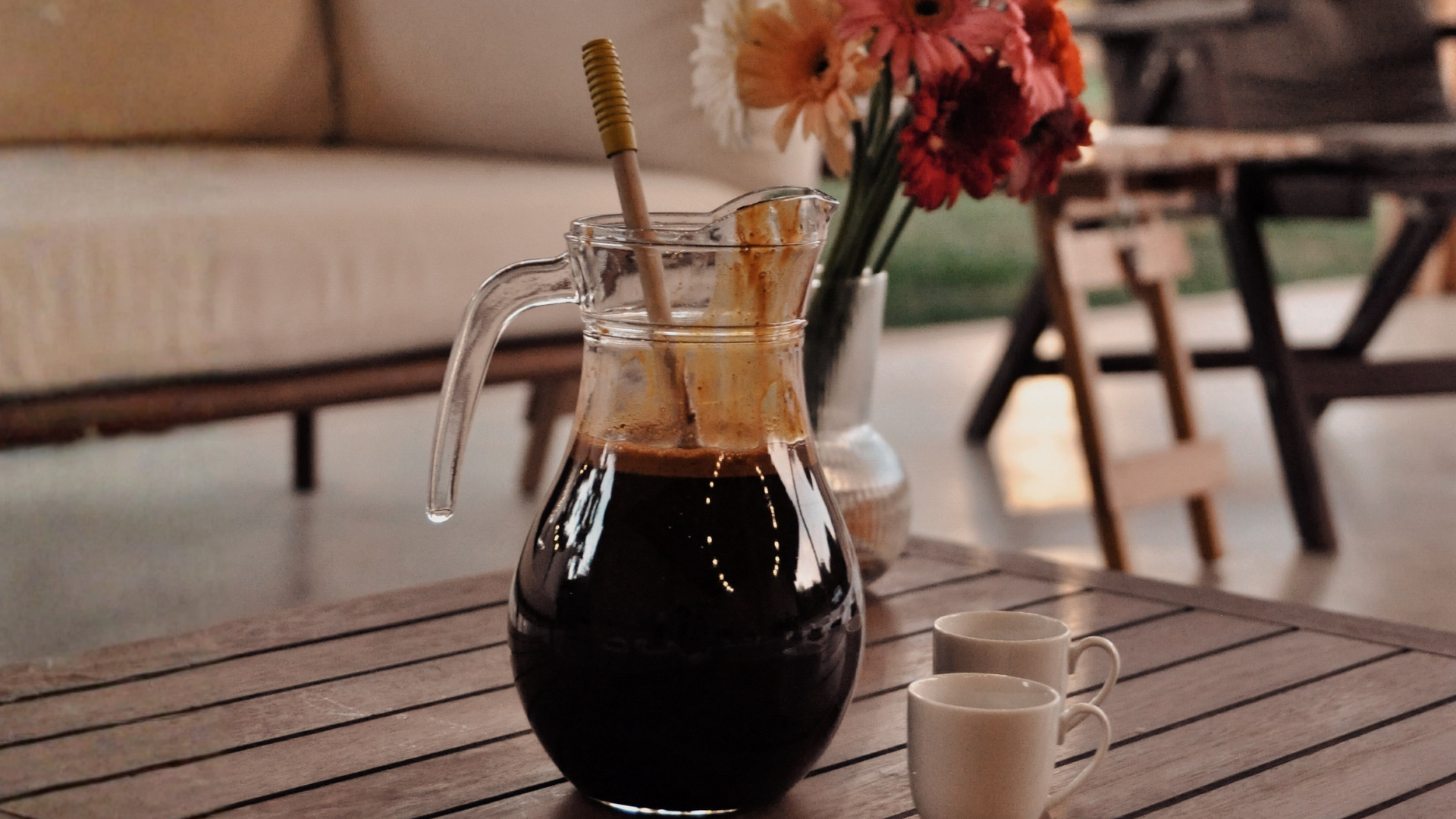
Ayahuasca in Spain: Benefits, Tradition, and Current Legal Context
Ayahuasca in Spain: Benefits, Tradition, and Current Legal Context Ayahuasca in Spain: Benefits, Tradition, and Legal Context Today Interest in ayahuasca in Spain continues to grow, especially among individuals seeking emotional healing and spiritual development within a safe and responsible environment. Although this ancestral medicine originates in the Amazon, its presence across Europe has expanded steadily over the past decades. Therefore, understanding its cultural roots, scientific research, and legal context helps prevent misinformation and unnecessary fear. For centuries, Indigenous communities have used ayahuasca within structured ceremonial settings guided by tradition, ethics, and communal responsibility. Today, its expansion beyond the Amazon reflects a deeper search for holistic well-being. At the same time, scientific inquiry has matured, encouraging a more balanced and evidence-based public conversation. Ancestral Tradition and Cultural Continuity of Ayahuasca in Spain Ayahuasca is a traditional botanical preparation made from the vine Banisteriopsis caapi combined with plants that naturally contain DMT. However, reducing ayahuasca to its chemical components ignores its spiritual, cultural, and communal dimensions. More than one hundred Amazonian Indigenous groups have worked with this medicine for generations. Through oral transmission, they developed a refined understanding of preparation methods, dosage, ritual context, and ethical guidelines. As a result, ayahuasca represents far more than a plant mixture. It embodies a ceremonial practice embedded in cosmology, discipline, and collective care. Furthermore, religious institutions such as União do Vegetal and Santo Daime hold legal recognition in Brazil. Their existence demonstrates that ayahuasca can function within formal regulatory frameworks when practiced responsibly and with clear ethical structures. Potential Benefits of Ayahuasca in Spain According to Research Recent research has explored the therapeutic potential of ayahuasca in Spain and internationally. Peer-reviewed studies suggest possible benefits in cases of major depression and substance use disorders. These findings contribute to a growing body of evidence supporting structured psychedelic-assisted frameworks. In addition, research led by pharmacologist Jordi Riba confirmed low physiological toxicity and no addictive potential when administered in controlled settings. Other investigations point toward increased neuroplasticity, which may support lasting shifts in rigid emotional patterns. Nevertheless, ayahuasca does not suit everyone. Individuals with a history of severe psychiatric conditions should undergo careful medical screening before considering participation. For this reason, professional screening and ethical guidance remain essential components of any responsible retreat setting. Understanding the Legal Context of Ayahuasca in Spain Clarity matters when discussing ayahuasca in Spain. The traditional botanical preparation does not fall under automatic classification as a prohibited substance. Instead, Spanish authorities evaluate situations individually, based on context and practice. Unlike certain European countries that apply restrictive interpretations, Spain distinguishes between isolated DMT and ayahuasca as a traditional plant preparation. This distinction prevents automatic prohibition and allows responsible ceremonial frameworks to operate when conducted ethically and transparently. Therefore, safety depends less on alarmist narratives and more on structured environments, qualified facilitators, and responsible preparation processes. A Safe and Structured Approach at Master Plan Retreat At Master Plan Retreat, we work with ayahuasca in Spain within a carefully designed ethical framework. Our approach integrates ancestral plant traditions with integrative psychotherapy, trauma-informed care, somatic practices, and spiritual guidance. Before confirming participation, each individual completes a detailed health and preparation form. Our team carefully reviews medical history and current medications. When necessary, we request consultation with a healthcare professional to ensure suitability. This preparation phase requires full honesty and transparency because safety begins long before the ceremony. Participants also receive clear preparation guidelines covering physical, emotional, and dietary aspects. These measures strengthen the group container and minimize unnecessary risks. Rather than improvising, we establish clarity, structure, and conscious containment from the beginning. Safety, Experience, and Conscious Containment Master Plan Retreat conducts ceremonies within a controlled and professionally supported environment. We do not promise instant transformation, nor do we operate without structure. Instead, we create a grounded setting where ancestral medicine integrates with contemporary therapeutic knowledge. Continuous facilitation, trauma-informed awareness, and group containment allow participants to navigate intense experiences responsibly. As a result, individuals do not simply undergo a powerful ceremony. They enter a guided process of emotional and spiritual development held with care and expertise. Discover Our Ayahuasca Retreats in Spain If you would like to learn how we work with ayahuasca in Spain within a safe, ethical, and professionally guided environment, we invite you to explore our retreats. At Master Plan Retreat, we hold spaces for deep emotional and spiritual development with experience, responsibility, and presence. Discover more about our retreats and allow yourself to experience this journey in a carefully guided setting. Request information Master plan retreat blog Blog & News All Post Blog & News Holistic Therapies Sacred Medicines Sin categorizar Back Ayahuasca Rapé Sananga Kambó Back Tarot Reading Emotional Massage Breathwork Meditation Ayahuasca in Spain: Benefits, Tradition, and Current Legal Context February 16, 2026/No Comments Ayahuasca in Spain: Benefits, Tradition, and Current Legal Context Ayahuasca in Spain: Benefits, Tradition, and Legal Context Today Interest in… Read More Why Plant Medicine Retreats Are Rising in Modern Life February 16, 2026/No Comments Why Plant Medicine Retreats Are Rising in Modern Life In modern life, presence has become a luxury. The Nervous System… Read More What Are Holistic Therapies? November 29, 2025/No Comments What Are Holistic Therapies? A Complete Guide to the Healing Approach That Treats the Whole Human Being In a world… Read More Ayahuasca Group Sessions vs Private Sessions August 6, 2025/No Comments Ayahuasca Group Sessions vs Private Sessions In this blog post we will discuss what is better, Ayahuasca group Sessions vs… Read More Benefits of Sananga March 21, 2025/No Comments What are the Benefits of Sananga Discover the powerful benefits of Sananga eye drops in our Ayahuasca retreat Sananga experience… Read More Long-Term Benefits of Ayahuasca February 17, 2025/No Comments Long-Term Benefits of Ayahuasca Discover the long-term benefits of ayahuasca, from reducing stress and addiction to fostering deep spiritual growth,… Read More Load More End of Content.
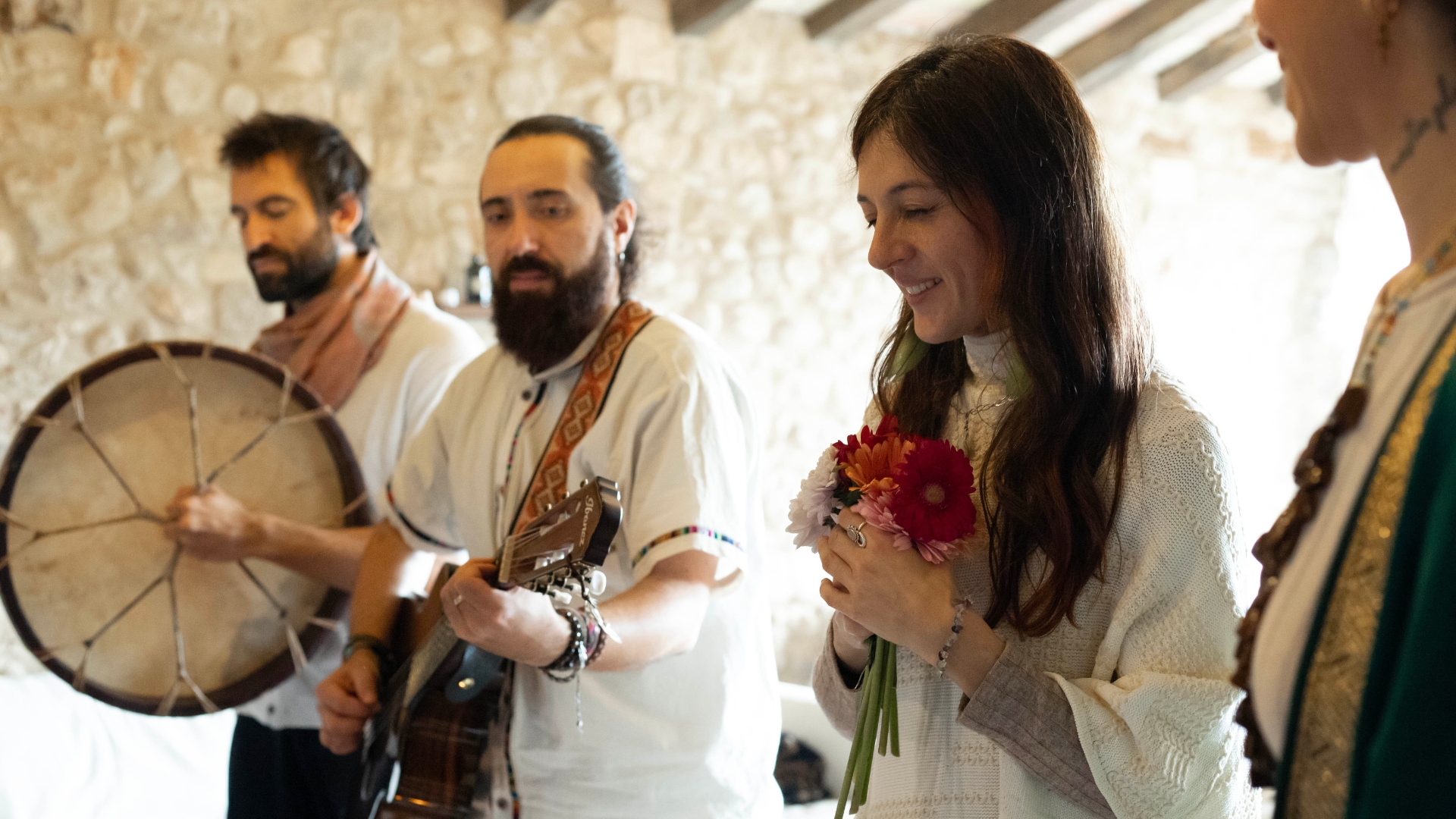
Ayahuasca Group Sessions vs Private Sessions
Ayahuasca Group Sessions vs Private Sessions In this blog post we will discuss what is better, Ayahuasca group Sessions vs Private Sessions in Plant medicine retreats and Ayahuasca ceremonies. 🌿✨ Ayahuasca Group Sessions vs Private Sessions Which Offers a Deeper Healing Experience? The decision to experience Ayahuasca alone or with others is rarely explored beyond personal preference. However, it opens a deeper inquiry:Which part of you is making the choice? In modern culture, healing is often framed as a solitary pursuit — an inner journey undertaken in silence, behind closed doors. Yet this perspective, shaped by Western ideals of self-sufficiency, may unconsciously limit what plant medicine can reveal. Privacy can feel safe. At the same time, it may protect the very patterns we claim we want to dissolve. Choosing between a private Ayahuasca session and a group ceremony is not about better or worse. Rather, it is about how you relate to being seen — not only by a facilitator, but by life itself, reflected through others. A group Ayahuasca experience gently challenges the illusion of isolation. It reminds us that certain truths only awaken in the presence of community. So before asking what feels more comfortable, it may be worth asking something deeper: What will help you become the version of yourself you came here to meet? Understanding the Two Paths Private vs. Group Ayahuasca Sessions What Is a Private Ayahuasca Session? Private Ayahuasca sessions are often chosen by those who fear judgment, feel emotionally overwhelmed in groups, or carry unresolved trauma they prefer to explore alone. This one-on-one setting allows for deep personal attention and silence. It can create a container that feels intimate and controlled. However, this structure also carries a subtle risk. It may become a comfortable echo chamber, where the ego feels safe enough to remain hidden. By avoiding the discomfort of others, we may also avoid the triggers that expose our deepest patterns. In this sense, privacy can offer safety — but it can also preserve the very defenses we hope to dissolve. What Is a Group Ayahuasca Ceremony? Group Ayahuasca sessions, often held with 10 to 15 participants, reflect ancestral rites in which community played a central role in healing. The presence of others is not incidental. It is integral to the process. Emotions move through the space, activating unseen parts of ourselves. When someone cries, purges, or sings, something archetypal may stir within us. The ceremony becomes relational. Shame, comparison, compassion, vulnerability — all of it surfaces. Rather than being distractions, these responses become part of the medicine itself. Why This Choice Matters The space in which you meet the medicine is not neutral. It is a teacher in its own right. Whether you choose solitude or shared experience, the environment will shape the mirror Ayahuasca holds before your soul. Choose consciously, not comfortably. Why Healing Is Not Always a Solo Journey In the modern world, privacy is often equated with safety and depth. We assume that only in silence and isolation can we truly meet ourselves. Yet this belief, while comforting, is rooted in cultural hyper-individualism. Within the context of Ayahuasca healing ceremonies, privacy can become a veil. It may shield us not only from others, but from the very parts of ourselves we are not ready to confront. When sitting alone, we are less likely to feel provoked. However, by avoiding discomfort, we may also bypass the most fertile ground for transformation. A group setting offers unexpected mirrors. Subtle glances, shared sounds, or collective emotional releases can awaken dormant truths within us. The presence of others creates friction — and friction reveals what remains unfinished inside. True healing is not always quiet or orderly. At times, it is messy, relational, and humbling. Sitting in ceremony with others allows us to witness how we react, protect, compare, or contract. These are not distractions. They are the medicine before the medicine. Healing is not a performance perfected in solitude. It is a surrender learned through relationship. In this way, the group becomes a teacher — just as much as the plant itself. Group Sessions: The Power of Collective Healing and Reflection Being Triggered as Medicine In group Ayahuasca sessions, it is common to feel irritated, intimidated, or emotionally stirred by others — especially strangers. However, these triggers are not problems. They are invitations. Each emotional reaction points to a part of you that is still asking to be seen, healed, or integrated. The group amplifies these reflections, forming a living constellation of your inner world. What unsettles you in someone else may be your own shadow asking for attention. Instead of resisting these moments, you are given the opportunity to observe them. And within that observation, transformation begins. Resonance and Recognition: Seeing Yourself in Others There is a quiet magic that happens when someone across the room begins to cry, purge, or speak their truth. Without words, their process resonates — not only emotionally, but spiritually. Their healing journey opens something within you. In this way, each participant becomes a doorway. Through their expression, you recognize your own pain, beauty, resistance, and courage. It is not merely witnessing. It is remembering. And often, what moves you in another person is something long waiting to be acknowledged within yourself. Strength in Shared Intention When a group gathers with a shared intention of healing and truth, something powerful forms. A coherent energetic field emerges — one that is greater than the sum of its parts. This collective container often deepens the Ayahuasca experience. As a result, participants may feel greater safety, stronger support, and clearer guidance from the medicine itself. Shared intention creates stability. Stability allows surrender. And surrender allows depth. Soul-Aligned Connections Beyond the ceremony, group retreats often give rise to meaningful relationships. Within vulnerability, masks fall away. You may find yourself surrounded by people who share your values, wounds, and longings. These connections can become allies, mirrors, or even soul family. Sometimes, the medicine brings exactly the person you need
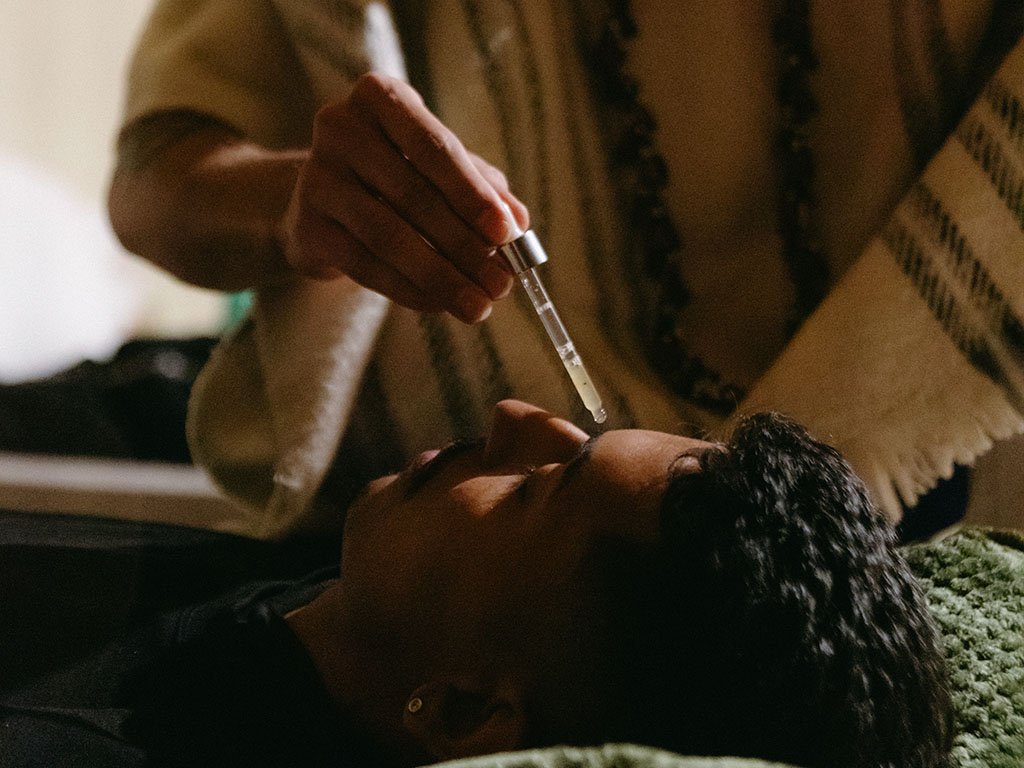
Benefits of Sananga
What are the Benefits of Sananga Discover the powerful benefits of Sananga eye drops in our Ayahuasca retreat Sananga experience and sacred Sananga healing ceremony. 🌿✨ The Gateway Through the Eye Benefits of Sananga Eyedrop Sananga is an ancestral medicine used by various Indigenous peoples of the Amazon. Although it is primarily known for its ocular application, its benefits extend far beyond physical vision. Unlike other plants, sananga works in an intense yet brief way. However, its effects do not end at the moment of application. Over time, many people describe a heightened sense of clarity, presence, and inner focus. About the healing properties of a sananga ceremony The Spiritual Depth of Sananga Sananga is often misunderstood as merely a painful drop — a brief, burning challenge that precedes the deeper work of Ayahuasca. However, reducing it to a physical sensation overlooks its rich cultural, spiritual, and energetic depth. Sananga is prepared from the roots and bark of Tabernaemontana undulata, a shrub native to the Amazon rainforest and part of the Apocynaceae family, known for its psychoactive alkaloids and healing properties. Traditionally used by Indigenous peoples such as the Yawanawá and Kaxinawá, Sananga is far more than a remedy for eye infections or a hunting aid to sharpen vision — it is a master plant in its own right. In the West, few recognize that Sananga belongs to a broader Indigenous system of spiritual hygiene: a daily energetic cleansing practice designed to remove panema, the dense energetic fog believed to cause misfortune, apathy, or illness. Just as we cleanse the body, Sananga is used to “cleanse perception,” energetically recalibrating the lens through which we see reality. It is both medicine and mirror. Rarely discussed is how Sananga subtly initiates us into a different paradigm — one in which discomfort is not avoided but honored, and pain is not pathology but portal. In this way, Sananga does not merely treat the eyes; it challenges how we see ourselves. Sananga as Preparation in the Retreat At Master Plan Retreat, we work with Sananga only once during the retreat. Yet that single moment is intentional and profound. We administer Sananga just before the Ayahuasca ceremony — not as a casual ritual, but as a sacred gateway. It is used to cleanse the energetic field, sharpen inner vision, and prepare the participant to meet the medicine with clarity and presence. This pre-ceremony moment creates a distinct energetic shift. The burning sensation in the eyes quickly quiets the mind and anchors awareness in the body. It feels as though the noise of the outer world — and the inner chatter — dissolves, leaving a blank slate. The sting becomes a teacher, inviting surrender and focus before entering the deeper realms of Ayahuasca. Sananga helps us see beyond the physical. It opens a kind of “vision behind vision,” a refined perception that is not limited to sight but aligned with truth itself. It removes layers of illusion so that the ceremony may begin from a place of alignment, integrity, and openness. For this reason, even though it is used only once, Sananga plays an essential role in the architecture of the retreat. The Experience of the Burn and Its Teaching The Sananga experience is brief, intense, and deeply symbolic. When the drops touch the eyes, a strong burning sensation moves through the body — not as punishment, but as purification. This moment often becomes the first true initiation of the retreat. It invites participants to meet pain not with resistance, but with presence. Unlike Western approaches that seek to numb or avoid discomfort, Sananga asks: Can you remain open while it burns? During the Sananga ceremony, as with other plant medicines, we guide participants to breathe deeply, remain calm, and observe. This conscious approach trains more than the nervous system — it strengthens the spirit. Embracing discomfort instead of fleeing from it becomes a sacred act of discipline. In that space, something shifts: pain transforms into power, and discomfort into clarity. Few speak about how this moment prepares us for life far beyond the retreat. Sananga becomes a mirror that reveals we are stronger than we believe, capable of holding discomfort with grace. This strength does not end when the sting fades; it carries into daily life, reminding us that attitude shapes experience. In its brief fire, Sananga awakens the warrior within. Request more information Sananga as an Independent Ceremony Sananga is often introduced to retreat participants as an intense physical experience. However, its benefits are far more layered and holistic than most people realize. Traditionally used by Amazonian peoples such as the Yawanawá and the Matsés before hunting, Sananga was believed to sharpen vision — not only in a literal sense, but also to enhance intuition, focus, and energetic clarity. In the jungle, clear sight is not only about survival; it is about presence. In the context of modern spiritual work, that clarity becomes a key to transformation. Although Sananga is frequently used in combination with other plant medicines, it holds profound value as a standalone ceremony — a value that is often underestimated. Without the influence of Ayahuasca or Kambó, the Sananga experience becomes even more intimate and revealing. It invites the participant into stillness, into presence, and into a direct relationship with the spirit of the plant itself. Within this space, Sananga works like a laser through layers of energetic clutter. It may bring forward insights, emotions, or ancestral memories that are ready to be seen — not through psychedelic visions, but through embodied clarity. What makes this ceremony unique is its simplicity. No imagery, no altered states — just you, your breath, and the medicine. Sananga’s Holistic Benefits Physical and Energetic Benefits This stripped-down ceremony teaches a powerful lesson: deep healing does not always require fireworks. At times, the most profound shifts arise through the quiet discipline of facing discomfort and listening within. Sananga, on its own, carries the capacity to do exactly that. On a physical level, Sananga is

Long-Term Benefits of Ayahuasca
Long-Term Benefits of Ayahuasca Discover the long-term benefits of ayahuasca, from reducing stress and addiction to fostering deep spiritual growth, backed by science and real-life transformations. 🌿✨ Ayahuasca: Transformative Impacts on Mind, Body, and Spirit Ayahuasca is often perceived as a mystical shortcut to enlightenment or a powerful tool for momentary breakthroughs. But the true magic of an ayahuasca experience lies not in the ceremony itself, but in its long-term impact—how it rewires perspectives, reshapes behaviors, and continues to unfold its lessons long after the last cup is consumed. Unlike conventional therapies that require years of work, a single ayahuasca retreat can compress profound psychological insights and emotional breakthroughs into an accelerated process, creating ripples that transform lives over months and even years. While mainstream discussions focus on the immediate intensity of an ayahuasca ceremony, few dive deep into what happens after—the unspoken transformations that take place in the quiet moments of everyday life. Those who integrate the lessons properly report an expanded capacity for resilience, a deepened understanding of their subconscious patterns, and an ability to navigate life’s challenges with greater clarity. Plant medicine, when approached with reverence and commitment, does not just provide answers—it teaches how to live the answers. In this article, we go beyond the surface-level conversations to explore the profound, lasting benefits of ayahuasca therapy and how it can be a lifelong ally in spiritual and personal evolution. About the long term benefits of ayahuasca Understanding Ayahuasca Ayahuasca is more than just a plant medicine—it is an ancient intelligence encoded in nature, designed to interact with human consciousness in ways modern science is only beginning to discover. Unlike synthetic psychedelics, which often act as mind-altering agents, ayahuasca works as a mirror and teacher, guiding individuals through layers of their subconscious with precision. What makes an ayahuasca retreat different from other therapeutic experiences is its ability to dismantle deeply embedded belief systems. It doesn’t just show you your pain or unresolved trauma; it offers a perspective from outside your conditioned mind, allowing you to see yourself as an observer rather than a victim. Indigenous traditions have long understood this, treating ayahuasca not as a drug but as a sentient guide—a spirit that teaches, corrects, and realigns individuals with their true path. Unlike mainstream psychology, which often treats symptoms, ayahuasca therapy addresses the root cause by stripping away illusion and reconnecting people with their essence. But the key to its effectiveness lies in integration—how one applies its lessons in daily life. Without this, the visions remain just that—visions, without real impact. Long-Term Psychological Benefits The true power of an ayahuasca experience isn’t in the vivid visions or mystical encounters during a ceremony—it’s in the slow but profound psychological shifts that continue happening long after. Unlike conventional therapy, which often relies on cognitive reframing and incremental progress, ayahuasca therapy acts as an emotional catalyst, allowing individuals to access repressed memories, confront deep-seated fears, and dismantle outdated belief systems in a matter of hours. But the long-term benefits extend far beyond temporary breakthroughs. Studies suggest that ayahuasca not only reduces mental distress in the short term but also creates lasting neurological and psychological changes. It enhances neuroplasticity—the brain’s ability to rewire itself—helping people unlearn harmful patterns and cultivate healthier ways of thinking. Those who integrate the lessons of their ayahuasca retreat often experience a deep sense of clarity, inner peace, and emotional resilience that persists for years. In a world where stress, anxiety, and depression are normalized, plant medicine offers a radically different approach: instead of suppressing symptoms, it teaches the mind and body to self-regulate and heal from within. Reduction of Stress and Anxiety One of the most profound and widely reported long-term benefits of ayahuasca therapy is its ability to significantly reduce stress and anxiety. However, what makes this different from conventional treatments is that ayahuasca does not merely calm the nervous system—it retrains it. Many people who attend an ayahuasca retreat enter with a dysregulated nervous system, trapped in cycles of chronic stress due to unresolved trauma, subconscious fears, or toxic thought patterns. Scientific studies have found that ayahuasca promotes the release of serotonin and dopamine while also reducing cortisol levels, creating an immediate sense of relief. But beyond neurochemistry, ayahuasca shows individuals why they are anxious in the first place, exposing hidden fears and belief systems that have been dictating their emotional state for years. Unlike pharmaceuticals, which provide temporary symptom relief, the effects of an ayahuasca ceremony are long-lasting because they address the root cause of stress—whether it’s emotional suppression, unresolved pain, or a fundamental misalignment with one’s true self. Long-term benefits of ayahuasca, many participants report feeling a deeper trust in life, a greater sense of presence, and a newfound ability to handle stress with ease long after their experience. Alleviation of Depression Modern psychiatry often treats depression as a chemical imbalance, but ayahuasca therapy reveals a deeper truth: depression is frequently the result of emotional stagnation, spiritual disconnection, and unprocessed grief. Ayahuasca doesn’t just lift depressive symptoms—it confronts individuals with their emotional baggage and guides them through a process of release and renewal. Studies have shown that ayahuasca increases neuroplasticity, fostering the growth of new neural connections that help individuals break free from rigid, negative thought patterns. It also triggers deep emotional catharsis, allowing individuals to express suppressed pain, resolve past wounds, and reframe their life experiences from a higher perspective. Unlike antidepressants, which often numb emotions, plant medicine teaches individuals how to feel again—but from a place of strength, not suffering. This is why those who undergo ayahuasca retreats frequently report a sustained improvement in mood, a greater sense of meaning, and a renewed passion for life. Spiritual Growth and Self-Discovery While many approach an ayahuasca retreat seeking healing, what they often find is something much deeper—an awakening to their true nature. Ayahuasca is not just a medicine; it is a doorway to expanded awareness, revealing hidden aspects of the self that have been buried under years of conditioning. Unlike

