Learn how to safely prepare for an Ayahuasca retreat, from diet and medications to emotional preparation, intention setting, and choosing a safe retreat. Discover why preparation is an essential part of the healing process.
How to Safely Prepare for an Ayahuasca Retreat: A Complete Guide
Learn how to safely prepare for an Ayahuasca retreat, from diet and medications to emotional preparation, intention setting, and choosing a safe retreat. Discover why preparation is an essential part of the healing process.
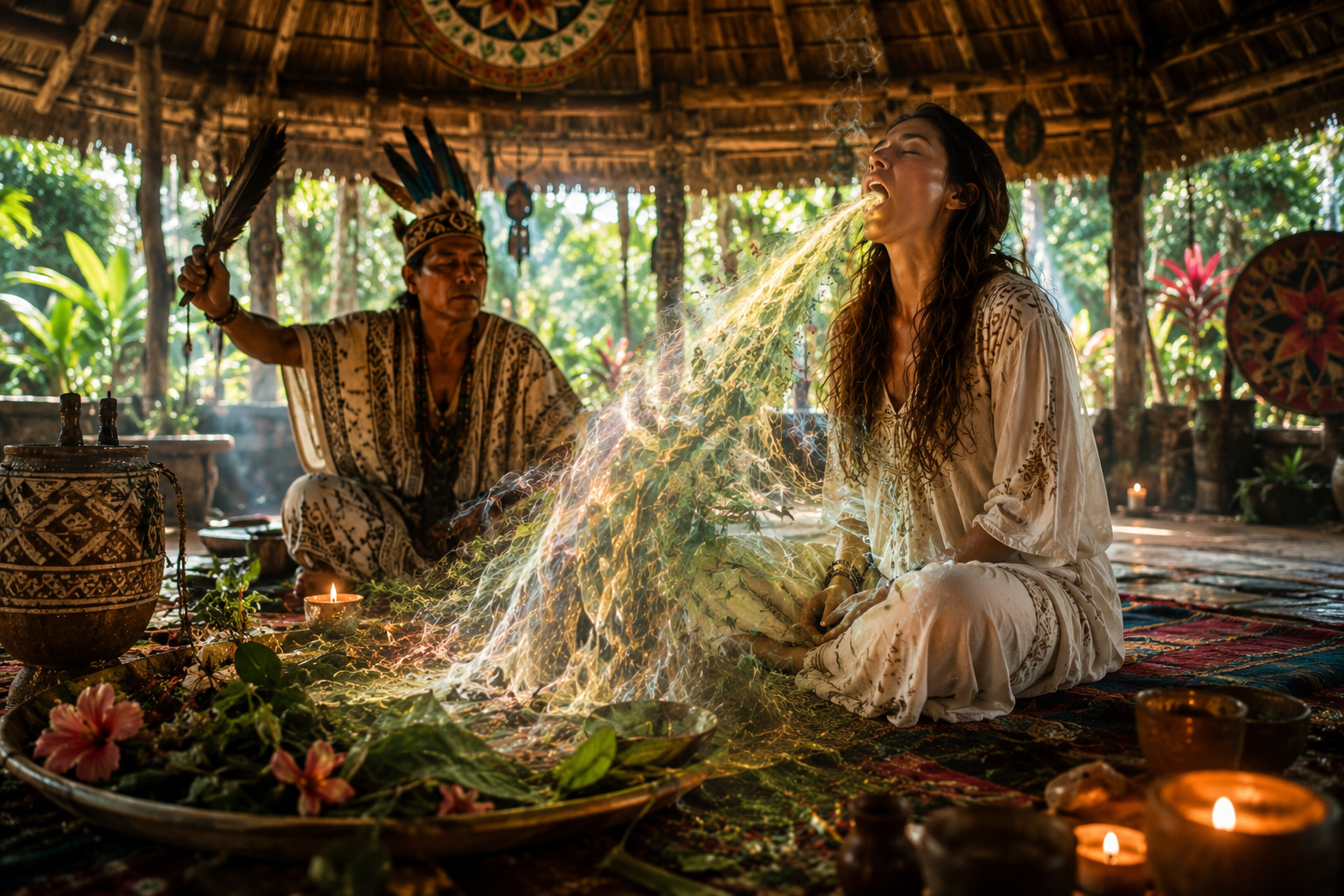
What Is the Purge During Ayahuasca? Understanding Why It Matters
What Is the Purge During Ayahuasca? Learn why purging happens, what it may mean from scientific, psychological, and traditional perspectives, and why integration matters more than the purge itself.
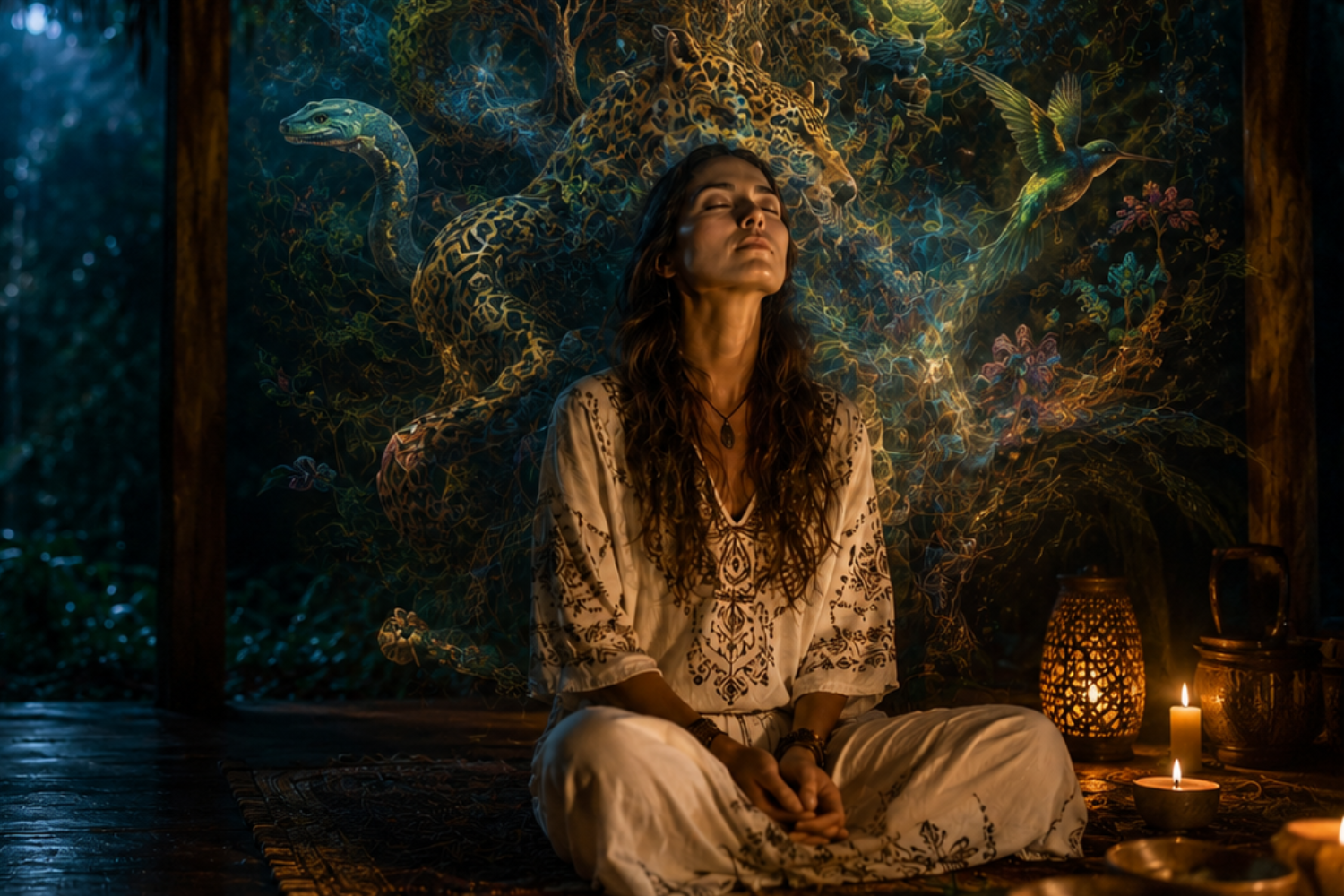
Are Ayahuasca Visions Real? Understanding Symbolism, the Brain, and Integration
Wondering if Ayahuasca visions are real? Learn how symbolism, neuroscience, and therapeutic integration help you understand what you experience.
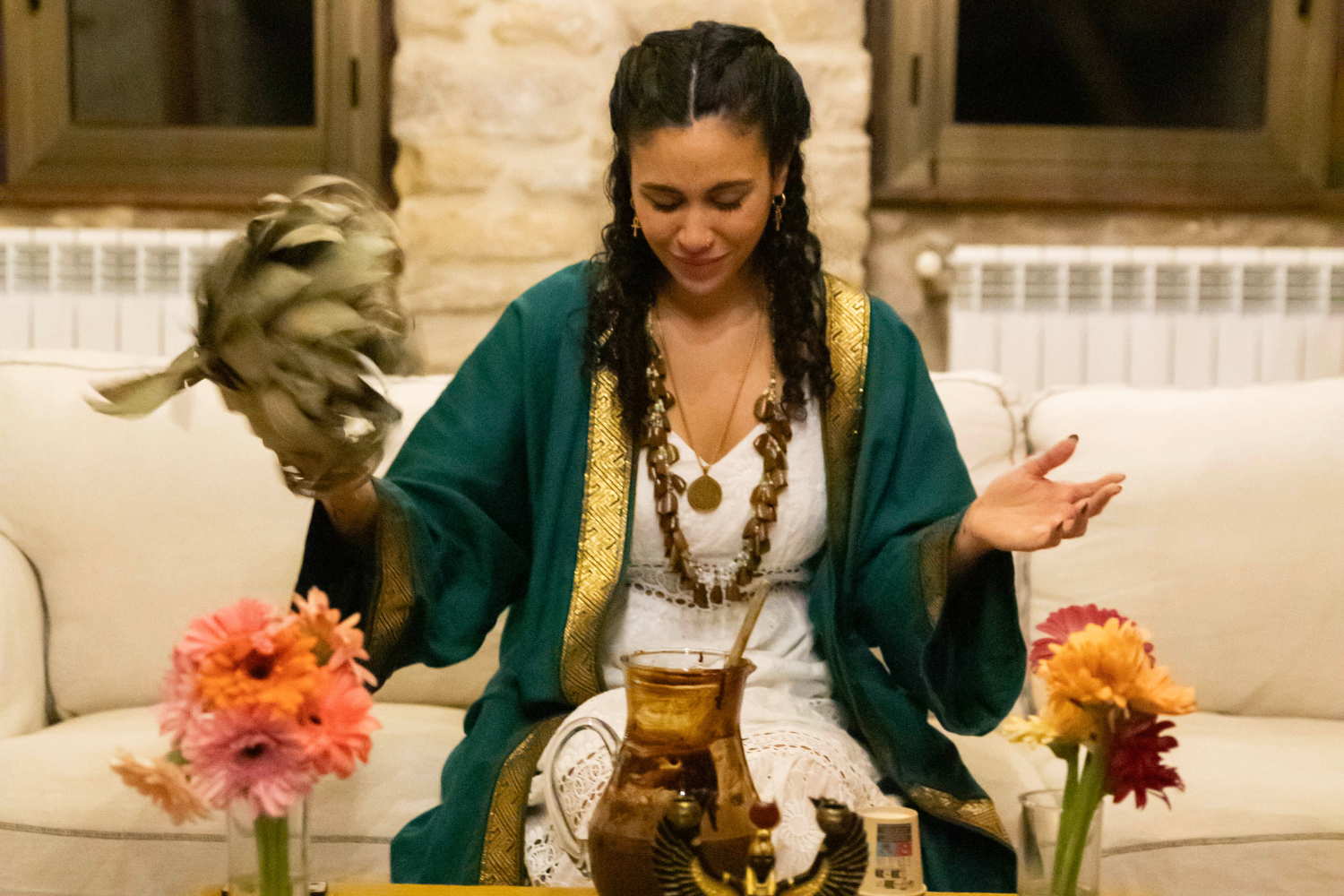
How Ayahuasca Supports Emotional Healing: New Research
New clinical and neuroimaging research is starting to explain how ayahuasca supports emotional healing, from trauma recovery to self-compassion.
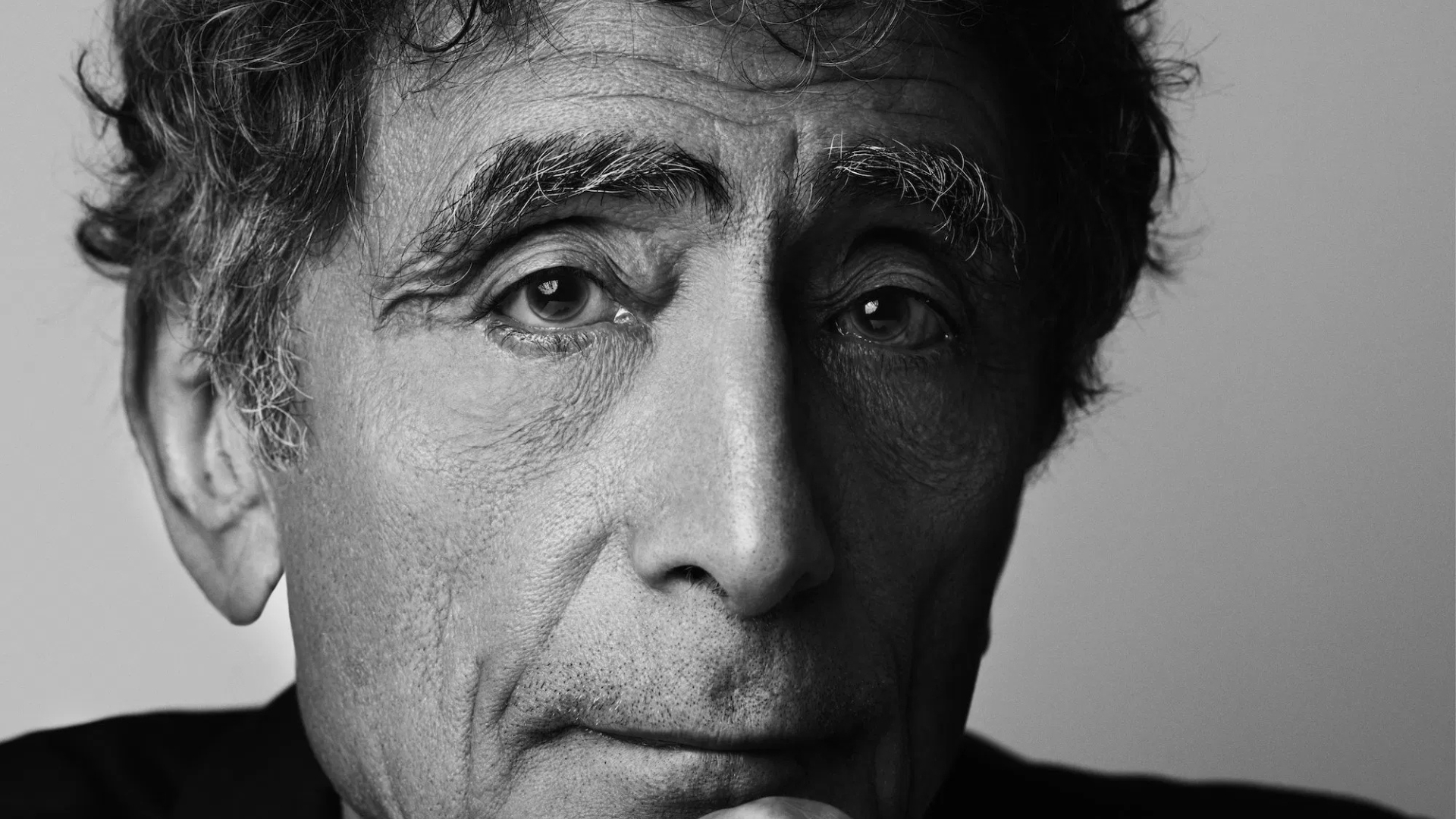
Dr. Gabor Maté and Ayahuasca Healing: Trauma, Wholeness and the True Self
Dr. Gabor Maté and Ayahuasca Healing: Trauma, Wholeness and the True Self Dr. Gabor Maté and Ayahuasca Healing: Trauma, Wholeness and the True Self A renowned speaker, and bestselling author, Dr. Gabor Maté is highly sought after for his expertise on a range of topics including addiction, stress and childhood development. Rather than offering quick-fix solutions to these complex issues, Dr. Maté weaves together scientific research, case histories, and his own insights and experience to present a broad perspective that enlightens and empowers people to promote their own healing and that of those around them. After 20 years of family practice and palliative care experience, Dr. Maté worked for over a decade in Vancouver’s Downtown East Side with patients challenged by drug addiction and mental illness. A Western Physician’s Encounter with Ancient Medicine Dr. Gabor Maté and ayahuasca healing represent a meeting point between trauma science, spiritual insight, and ancestral plant medicine. In his reflections on the healing potential of ayahuasca, Dr. Maté does not frame the experience as mystical escapism or chemical intervention. Instead, he describes it as a profound process of remembering — a reunification of the fragmented self with a deeper and more essential identity. According to Maté, the true healing offered by plant medicine is not about acquiring something new. Rather, it is about recovering what was lost when early trauma forced us to abandon authenticity in order to survive. In his reflections on ayahuasca, Dr. Gabor Maté does not approach the plant as a mystic detached from science. Instead, he writes as a Western-trained physician who has spent decades studying trauma, addiction, and the deep relationship between emotional pain and physical illness. What he describes is not a psychedelic spectacle, but a process of reunification. According to Dr. Maté, ayahuasca healing is not about acquiring something new. Rather, it is about remembering something ancient. Beneath the identities we construct to survive childhood pain lies what he calls the “true self” — the authentic presence we once embodied before trauma forced us to disconnect from it. Through carefully guided ceremonies, he has witnessed individuals rediscover that lost wholeness. In his view, the medicine does not add anything to a person; instead, it removes what never truly belonged to them. Dr. Gabor Maté on Ayahuasca Healing and the Loss of Wholeness At the heart of Dr. Gabor Maté’s view on ayahuasca healing lies a simple yet radical premise: much of human suffering originates in disconnection from the true self. He explains that early emotional wounds create an internal emptiness. In response, we construct identities, behaviors, and compulsions designed to secure love, safety, and belonging. However, these substitutes never truly satisfy us. Instead, they reinforce separation from who we originally were. Through carefully guided ayahuasca experiences, individuals often encounter this emptiness directly. More importantly, they may experience what lies beneath it — vulnerability, authenticity, and an unconditioned sense of self Ayahuasca Healing, Trauma, and the Mind-Body Unity Dr. Gabor Maté consistently emphasizes that trauma is not merely psychological; it is physiological and relational. Therefore, ayahuasca healing must be understood within the broader context of mind-body unity. Modern research increasingly confirms what ancient traditions have long asserted: emotional suppression affects immune function, stress physiology, and long-term health outcomes. While Western medicine excels in acute intervention, it often struggles with chronic illness rooted in unresolved emotional pain. For this reason, Maté views plant medicine not as a replacement for medical science, but as a complementary doorway into deeper integration. Remembering the Self Beneath the Name and Form Drawing from both spiritual teachers and clinical observation, Dr. Maté suggests that much of human suffering stems from over-identification with the constructed self — the name, the role, the diagnosis, the story. During ayahuasca ceremonies, participants often report experiences of expanded awareness. Yet, according to Maté, the true value lies not in mystical visions. Instead, it lies in remembering who they were before fear and conditioning shaped their identity. Some describe feeling beauty independent of physical appearance. Others release lifelong shame. Still others shift their relationship to illness, no longer identifying themselves as “a sick person” even while undergoing treatment. This transformation is subtle but profound. The external condition may remain uncertain. However, the internal posture changes. Peace replaces self-rejection. Compassion replaces judgment. For Dr. Maté, this is the essence of healing. Why Plant Medicine Resonates in the Modern World In industrialized cultures dominated by analytical thinking, emotional pain is often intellectualized rather than processed. Knowledge replaces embodiment. Insight replaces integration. Dr. Maté argues that plant medicine, when approached responsibly, temporarily bypasses the hyperactive cognitive mind. By doing so, it allows deeper layers of truth to emerge. Importantly, he does not romanticize psychedelics. He emphasizes screening, professional guidance, ethical facilitation, and psychological integration. The medicine does not “fix” people. Instead, it reveals the possibility of wholeness. And wholeness, once glimpsed, becomes a compass. Stories of Transformation Through Ayahuasca Healing In recounting the experiences of participants, Dr. Gabor Maté and ayahuasca healing become intertwined through lived transformation rather than theory. For example, one woman described feeling as though her heart underwent surgery during ceremony — not physically, but emotionally. The process removed substitutes she had unconsciously placed in the space of an absent relationship. What followed was grief, release, and eventually relief. Another participant, living with serious illness, reported that after ceremony she no longer identified herself through her diagnosis. Importantly, this did not mean denying reality. Instead, it meant disentangling identity from pathology. As Maté clarifies, healing does not always mean cure. Often, it means peace. Psychedelics, Presence, and Remembering Who You Are Why do plant medicines create such shifts? Dr. Gabor Maté suggests that psychedelics temporarily quiet the narrative mind. As a result, deeper layers of awareness become accessible. The ego loosens its grip. Hidden fears surface. However, alongside pain, something else emerges — a direct encounter with a more spacious identity. Rather than imposing belief, ayahuasca healing allows experience. Rather than adding concepts, it removes defenses. Consequently, participants often describe
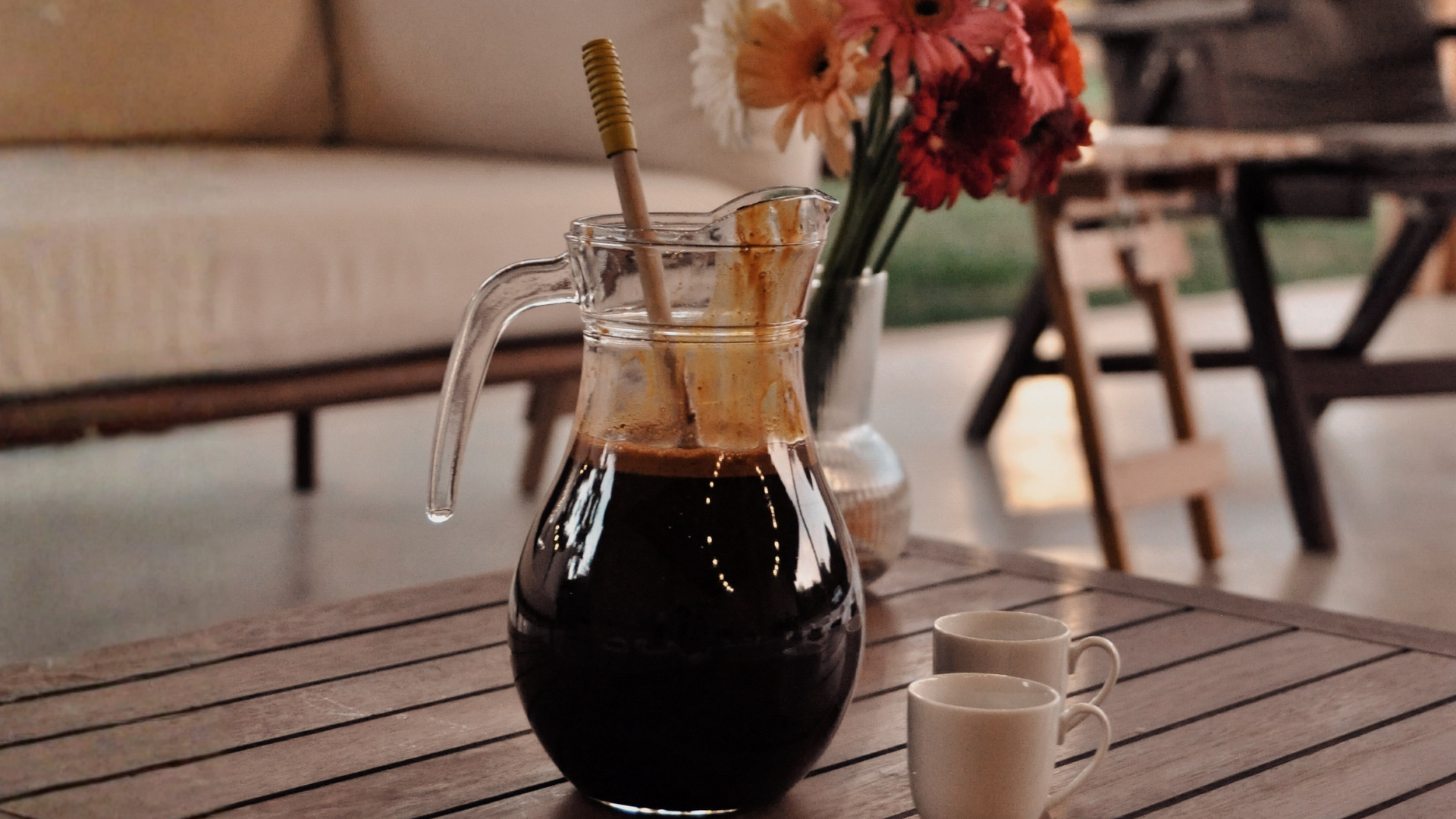
Ayahuasca in Spain: Benefits, Tradition, and Current Legal Context
Ayahuasca in Spain: Benefits, Tradition, and Current Legal Context Ayahuasca in Spain: Benefits, Tradition, and Legal Context Today Interest in ayahuasca in Spain continues to grow, especially among individuals seeking emotional healing and spiritual development within a safe and responsible environment. Although this ancestral medicine originates in the Amazon, its presence across Europe has expanded steadily over the past decades. Therefore, understanding its cultural roots, scientific research, and legal context helps prevent misinformation and unnecessary fear. For centuries, Indigenous communities have used ayahuasca within structured ceremonial settings guided by tradition, ethics, and communal responsibility. Today, its expansion beyond the Amazon reflects a deeper search for holistic well-being. At the same time, scientific inquiry has matured, encouraging a more balanced and evidence-based public conversation. Ancestral Tradition and Cultural Continuity of Ayahuasca in Spain Ayahuasca is a traditional botanical preparation made from the vine Banisteriopsis caapi combined with plants that naturally contain DMT. However, reducing ayahuasca to its chemical components ignores its spiritual, cultural, and communal dimensions. More than one hundred Amazonian Indigenous groups have worked with this medicine for generations. Through oral transmission, they developed a refined understanding of preparation methods, dosage, ritual context, and ethical guidelines. As a result, ayahuasca represents far more than a plant mixture. It embodies a ceremonial practice embedded in cosmology, discipline, and collective care. Furthermore, religious institutions such as União do Vegetal and Santo Daime hold legal recognition in Brazil. Their existence demonstrates that ayahuasca can function within formal regulatory frameworks when practiced responsibly and with clear ethical structures. Potential Benefits of Ayahuasca in Spain According to Research Recent research has explored the therapeutic potential of ayahuasca in Spain and internationally. Peer-reviewed studies suggest possible benefits in cases of major depression and substance use disorders. These findings contribute to a growing body of evidence supporting structured psychedelic-assisted frameworks. In addition, research led by pharmacologist Jordi Riba confirmed low physiological toxicity and no addictive potential when administered in controlled settings. Other investigations point toward increased neuroplasticity, which may support lasting shifts in rigid emotional patterns. Nevertheless, ayahuasca does not suit everyone. Individuals with a history of severe psychiatric conditions should undergo careful medical screening before considering participation. For this reason, professional screening and ethical guidance remain essential components of any responsible retreat setting. Understanding the Legal Context of Ayahuasca in Spain Clarity matters when discussing ayahuasca in Spain. The traditional botanical preparation does not fall under automatic classification as a prohibited substance. Instead, Spanish authorities evaluate situations individually, based on context and practice. Unlike certain European countries that apply restrictive interpretations, Spain distinguishes between isolated DMT and ayahuasca as a traditional plant preparation. This distinction prevents automatic prohibition and allows responsible ceremonial frameworks to operate when conducted ethically and transparently. Therefore, safety depends less on alarmist narratives and more on structured environments, qualified facilitators, and responsible preparation processes. A Safe and Structured Approach at Master Plan Retreat At Master Plan Retreat, we work with ayahuasca in Spain within a carefully designed ethical framework. Our approach integrates ancestral plant traditions with integrative psychotherapy, trauma-informed care, somatic practices, and spiritual guidance. Before confirming participation, each individual completes a detailed health and preparation form. Our team carefully reviews medical history and current medications. When necessary, we request consultation with a healthcare professional to ensure suitability. This preparation phase requires full honesty and transparency because safety begins long before the ceremony. Participants also receive clear preparation guidelines covering physical, emotional, and dietary aspects. These measures strengthen the group container and minimize unnecessary risks. Rather than improvising, we establish clarity, structure, and conscious containment from the beginning. Safety, Experience, and Conscious Containment Master Plan Retreat conducts ceremonies within a controlled and professionally supported environment. We do not promise instant transformation, nor do we operate without structure. Instead, we create a grounded setting where ancestral medicine integrates with contemporary therapeutic knowledge. Continuous facilitation, trauma-informed awareness, and group containment allow participants to navigate intense experiences responsibly. As a result, individuals do not simply undergo a powerful ceremony. They enter a guided process of emotional and spiritual development held with care and expertise. Discover Our Ayahuasca Retreats in Spain If you would like to learn how we work with ayahuasca in Spain within a safe, ethical, and professionally guided environment, we invite you to explore our retreats. At Master Plan Retreat, we hold spaces for deep emotional and spiritual development with experience, responsibility, and presence. Discover more about our retreats and allow yourself to experience this journey in a carefully guided setting. Request information Master plan retreat blog Blog & News All Post Blog & News Holistic Therapies Sacred Medicines Sin categorizar Back Ayahuasca Rapé Sananga Kambó Back Tarot Reading Emotional Massage Breathwork Meditation Ayahuasca in Spain: Benefits, Tradition, and Current Legal Context February 16, 2026/No Comments Ayahuasca in Spain: Benefits, Tradition, and Current Legal Context Ayahuasca in Spain: Benefits, Tradition, and Legal Context Today Interest in… Read More Why Plant Medicine Retreats Are Rising in Modern Life February 16, 2026/No Comments Why Plant Medicine Retreats Are Rising in Modern Life In modern life, presence has become a luxury. The Nervous System… Read More What Are Holistic Therapies? November 29, 2025/No Comments What Are Holistic Therapies? A Complete Guide to the Healing Approach That Treats the Whole Human Being In a world… Read More Ayahuasca Group Sessions vs Private Sessions August 6, 2025/No Comments Ayahuasca Group Sessions vs Private Sessions In this blog post we will discuss what is better, Ayahuasca group Sessions vs… Read More Benefits of Sananga March 21, 2025/No Comments What are the Benefits of Sananga Discover the powerful benefits of Sananga eye drops in our Ayahuasca retreat Sananga experience… Read More Long-Term Benefits of Ayahuasca February 17, 2025/No Comments Long-Term Benefits of Ayahuasca Discover the long-term benefits of ayahuasca, from reducing stress and addiction to fostering deep spiritual growth,… Read More Load More End of Content.
Why Plant Medicine Retreats Are Rising in Modern Life
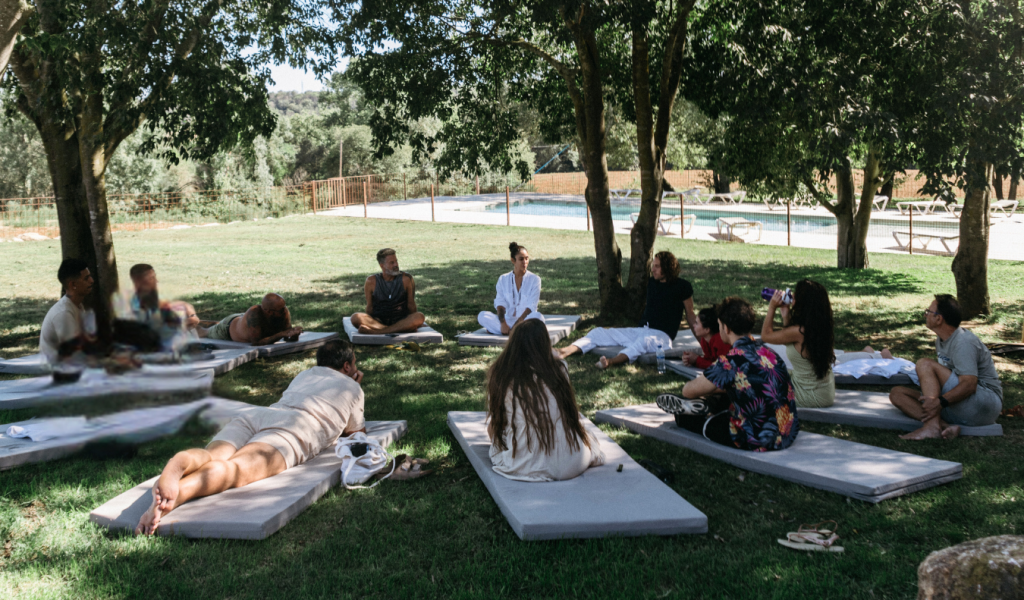
Why Plant Medicine Retreats Are Rising in Modern Life In modern life, presence has become a luxury. The Nervous System Crisis No One Talks About Plant medicine retreats are not becoming popular by accident. Their rise reflects a deeper physiological and existential shift happening globally. Modern life has conditioned the nervous system into chronic activation. Constant alerts, economic instability, social comparison, and high-performance culture keep the body in subtle vigilance. Over time, this state becomes normalized. Stress no longer feels acute — it feels ordinary. Although many individuals intellectually understand their trauma or emotional patterns, understanding does not automatically restore regulation. The mind may process insight; however, the body often remains contracted. Muscular tension persists. Sleep becomes shallow. Silence feels unfamiliar. Consequently, plant medicine retreats are increasingly sought as environments for nervous system recalibration. Through guided ceremonies, somatic integration, breathwork, and structured silence, participants enter a field designed for decompression. Unlike conventional approaches that rely primarily on cognition, these retreats address the body directly. Therefore, the growing interest in plant medicine retreats reveals something essential: the modern nervous system requires more than information. It requires embodied regulation. Beyond Insight: Why Experience Is Necessary Traditional therapeutic models often prioritize analysis. While insight is valuable, it does not always reorganize the unconscious layers stored in the body. Plant medicine retreats operate differently. Instead of only explaining patterns, they create conditions where those patterns can be felt, processed, and integrated. Through carefully guided ceremonies with sacred plants, unconscious material becomes accessible. However, what transforms the experience into healing is not intensity — it is containment. Moreover, when plant medicine is held within a trauma-informed environment, the nervous system remains supported while deeper layers surface. Safety allows regulation. Regulation allows clarity. Clarity allows integration. For many participants, this embodied process becomes the missing link between “I understand” and “I have changed.” Thus, plant medicine retreats are not simply spiritual gatherings. They are structured experiences that engage body, emotion, energy, and meaning simultaneously. Beyond Insight: Why Experience Is Necessary Cultural identity has shifted dramatically in recent decades. Fewer people identify with organized religion, yet the longing for meaning persists. Plant medicine retreats respond to this shift by offering spirituality without imposed belief systems. Rather than prescribing doctrine, these spaces facilitate direct experience. Ritual becomes experiential. Connection becomes embodied. Transcendence occurs with the body fully present. In addition, community plays a regulating role. Intentional group containers allow shared processing, which reduces isolation and strengthens integration. Collective presence amplifies safety while preserving individuality. As a result, these retreats often function as modern rites of passage. They provide structured transitions, moments of recalibration, and opportunities to reorganize identity beyond external roles. Importantly, this transformation is rarely dramatic. More often, it unfolds gradually, through increased coherence and emotional resilience. The Renewed Visibility of Ancestral Plant Medicine Retreats Plant medicine retreats are not a modern creation. They are rooted in ancestral lineages that have safeguarded these healing traditions for generations. What has changed is not the medicine itself, but the context in which it is now being sought. For centuries, Indigenous communities have worked with sacred plants as tools for spiritual alignment, community cohesion, and emotional purification. These practices were never designed as trends or therapeutic innovations. They were embedded within cosmologies, rituals, and relational systems that honored the interconnection between body, spirit, land, and community. Today, however, as modern life accelerates and fragmentation increases, more people are turning toward these ancestral practices with renewed recognition of their depth. The growing visibility of plant medicine retreats reflects a collective remembering rather than a cultural invention. Importantly, when held with respect, preparation, and proper integration, these retreats do not replicate something new. Instead, they create a bridge between ancient wisdom and contemporary psychological needs. What feels modern is the global access. What remains timeless is the medicine itself. A Return to Embodied Awareness Plant medicine retreats offer something increasingly rare: time without urgency, presence without performance, and connection without fragmentation. In a culture driven by acceleration, these spaces introduce rhythm. In a society shaped by productivity, they restore embodiment. And in an environment saturated with stimulation, they reintroduce silence as nourishment. For this reason, the rise of plant medicine retreats is not a trend. It is a response to physiological overload and existential fragmentation. When the nervous system recalibrates, perception shifts. When perception shifts, life reorganizes. That is why these retreats continue to grow — not because they promise escape, but because they facilitate coherence. Begin the Process With Presence Plant medicine is not about intensity. It is about alignment. If you feel called to experience these ancestral medicines within a safe, trauma-informed, and carefully guided environment, we invite you to take the next step. Our retreats are designed as complete processes — including preparation, ceremony, and integration — so that the experience becomes embodied transformation rather than a passing moment. When you are ready to explore this path with presence and support, learn more about our upcoming retreats through the button below. I want to know more! Master plan retreat blog Blog & News All Post Blog & News Holistic Therapies Sacred Medicines Sin categorizar Back Ayahuasca Rapé Sananga Kambó Back Tarot Reading Emotional Massage Breathwork Meditation Why Are Holistic Retreats Rising in Modern Life? February 16, 2026/No Comments Why Are So Many People Seeking Holistic Retreats Now? In modern life, presence has become a luxury. In recent years,… Read More What Are Holistic Therapies? November 29, 2025/No Comments What Are Holistic Therapies? A Complete Guide to the Healing Approach That Treats the Whole Human Being In a world… Read More Ayahuasca Group Sessions vs Private Sessions August 6, 2025/No Comments Ayahuasca Group Sessions vs Private Sessions In this blog post we will discuss what is better, Ayahuasca group Sessions vs… Read More Benefits of Sananga March 21, 2025/No Comments What are the Benefits of Sananga Discover the powerful benefits of Sananga eye drops in our Ayahuasca retreat Sananga experience… Read More Long-Term Benefits of Ayahuasca February 17, 2025/No
What Are Holistic Therapies?
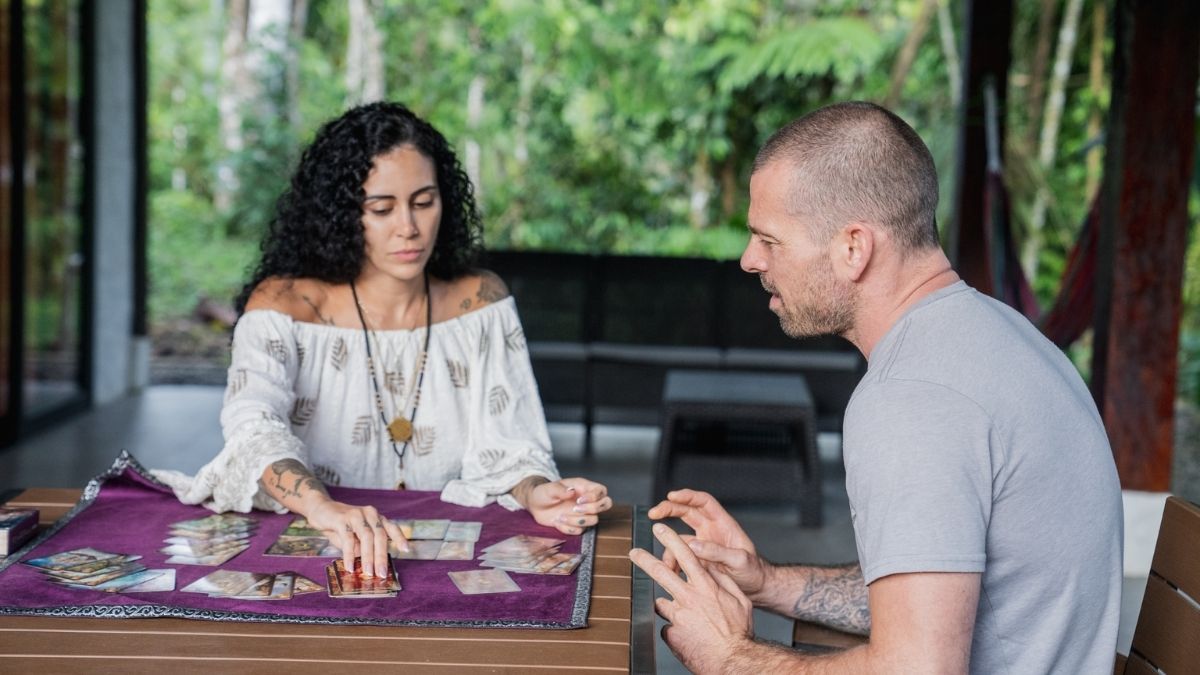
What Are Holistic Therapies? A Complete Guide to the Healing Approach That Treats the Whole Human Being In a world increasingly shaped by stress, emotional instability, and spiritual disconnection, many people are searching for deeper forms of healing. As a result, holistic therapies have gained growing attention — not as a trend, but as a path toward real transformation. Still, you may be wondering: what are holistic therapies, exactly? Although the term feels modern, holistic healing is ancient. In fact, its roots come from ancestral traditions, indigenous wisdom, and spiritual philosophies that view the human being as a complete and interconnected system. Rather than separating body and mind, these traditions recognize that everything within you is connected. For this reason, holistic therapies do not focus only on symptoms. Instead, they invite you to explore the root of what you feel — emotionally, mentally, physically, energetically, and spiritually. Throughout this article, you will discover what holistic therapies are, how they work, and why they often create lasting change. What Are Holistic Therapies, Exactly? Holistic therapies are practices that treat the human being as a whole. Instead of isolating a single symptom, they explore how body, emotions, beliefs, energy, and life experiences interact. In other words, healing is not about fixing one part. It is about restoring balance across all layers of your being. To understand this better, consider the following: The body often expresses what emotions cannot verbalize. Emotions are shaped by memories and beliefs. Thoughts are influenced by internal narratives and external experiences. Energy patterns can reflect unresolved trauma. The soul seeks meaning, direction, and alignment. Because these layers constantly interact, imbalance in one area can affect the others. Therefore, a holistic therapist does not ask only “What is happening?” They also explore “Why is this happening?” and “What needs to be understood, released, or integrated?” The Philosophy Behind Holistic Healing Holistic healing is grounded in simple yet powerful principles. Although different traditions use different tools, the core philosophy remains similar. 1. Everything Is Connected Your body, emotions, thoughts, and energy are not separate systems. Instead, they function as one integrated whole. For example, chronic stress may affect digestion, sleep, and mood at the same time. Because of this, holistic therapies look beyond surface symptoms. 2. Healing Begins Within Rather than treating only external manifestations, holistic work focuses on the internal environment that created them. When internal balance shifts, external results often follow. 3. The Body Moves Toward Balance When supported properly, your system naturally seeks equilibrium. Holistic therapies aim to remove obstacles so this natural intelligence can function. 4. Every Person Has a Unique Rhythm Not everyone heals in the same way or at the same speed. Therefore, holistic work respects timing and individuality. There is no universal formula. 5. Awareness Creates Transformation Understanding a pattern intellectually is not enough. True change happens when awareness becomes embodied and integrated into daily life. Holistic Therapies We Offer Now that you understand what are holistic therapies, it becomes easier to see how each method works as an entry point into a different layer of your being. At Master Plan Retreat, we do not separate emotional, energetic, ancestral, and spiritual work. Instead, we weave them together. Because healing rarely happens in isolation, our approach is integrative, grounded, and trauma-aware. Each therapy serves a specific purpose. At the same time, all of them support a unified intention: helping you reconnect with yourself in a safe and structured way. Below, you will find an overview of the holistic therapies we offer in both group and individual sessions. Therapeutic Tarot Reading Rather than predicting the future, Therapeutic Tarot works as a mirror of your inner world. Through archetypal symbolism and guided reflection, this session helps you explore subconscious patterns, emotional blocks, and life transitions. In many cases, what feels confusing begins to make sense once it is brought into awareness. For example, recurring relationship dynamics or difficult decisions often reveal deeper emotional roots. By looking at them consciously, you regain clarity and direction. Ultimately, this therapy helps you reconnect with your inner truth so you can move forward with intention. Soul Purification (Hebrew Pendulum Healing) This session focuses on energetic alignment. Using the Hebrew pendulum and vibrational techniques, we identify and release stagnant energy stored in the subtle body. As a result, emotional residue from past experiences can begin to dissolve. Many people seek this therapy when they feel drained, overwhelmed, or disconnected. Through sacred sound and focused intention, the session supports: energetic clearing chakra alignment restoration of vitality strengthening of spiritual protection In this way, Soul Purification acts as an energetic reset, helping your system return to balance. Shamanic Family Constellations This method integrates systemic family constellations, intuitive reading, somatic awareness, and shamanic field work. Because many emotional patterns originate in family systems, this session explores inherited dynamics and unconscious loyalties. Often, repeating cycles in relationships or self-worth issues are connected to deeper systemic roots. During the session, you may experience: guided movements healing statements ancestral reconnection symbolic release rituals By bringing hidden dynamics to light, space opens for clarity and inner strength. Holistic Massage & Energetic Alignment This is not simply a relaxation massage. Instead, it combines intuitive touch, aromatherapy, and energetic awareness. As tension releases from the body, emotional layers may also soften. Since the nervous system plays a key role in healing, this therapy supports regulation and grounding. Benefits often include: reduced stress emotional release improved circulation reconnection with the body In this way, physical touch becomes a bridge between body and emotion. Sound Healing Therapy Sound works directly with vibration. Because the body responds to frequency, sound therapy can gently recalibrate your system. Using Tibetan bowls, drums, tuning forks, and ancestral instruments, this session supports: deep relaxation nervous system reset emotional release chakra alignment Many participants experience meditative states that allow integration to occur naturally. Breathwork for Emotional Release Breath connects body and mind. Therefore, conscious breathing can access emotions stored beneath the surface. Through guided breathwork, you may
Ayahuasca Group Sessions vs Private Sessions
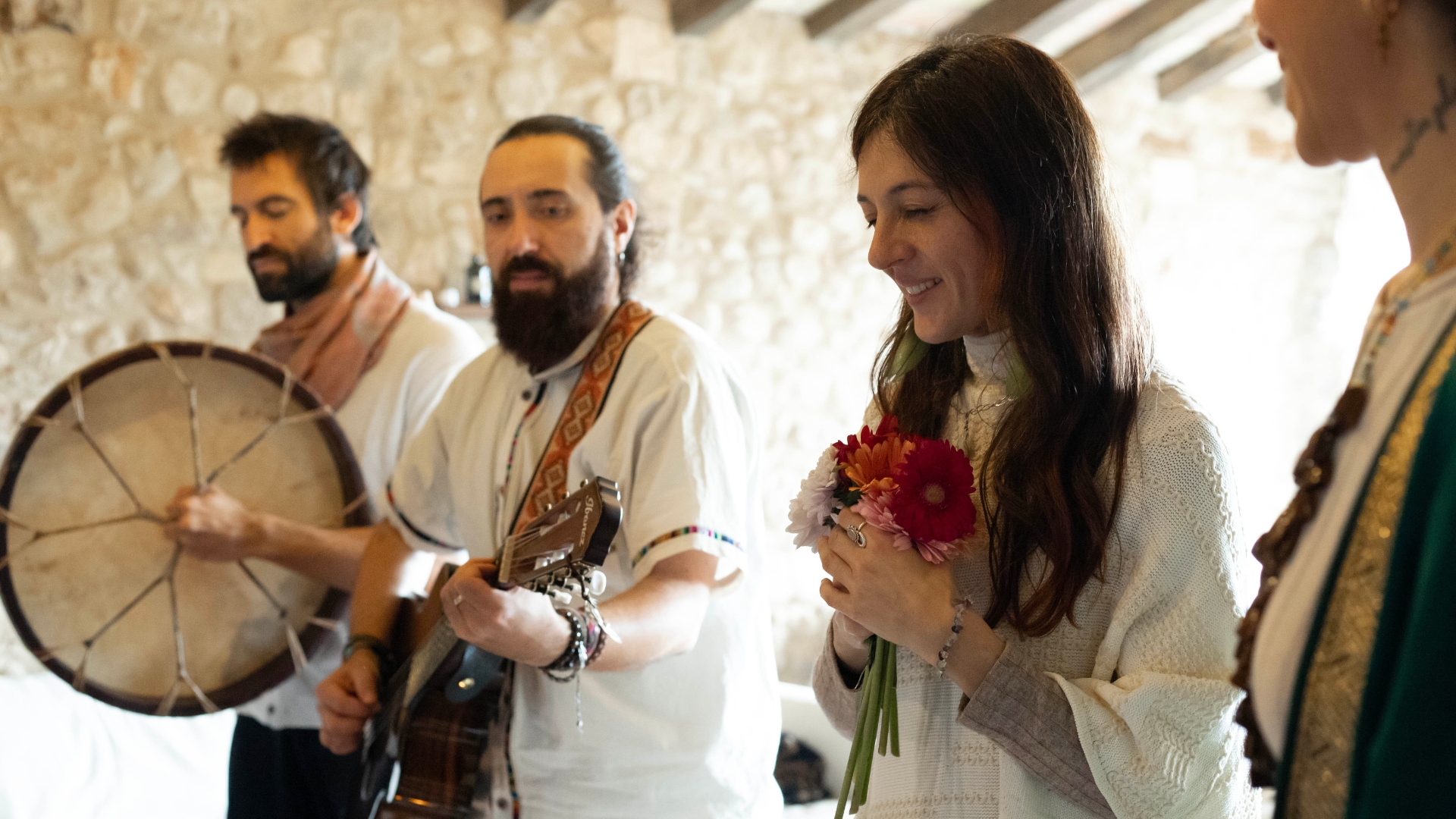
Ayahuasca Group Sessions vs Private Sessions In this blog post we will discuss what is better, Ayahuasca group Sessions vs Private Sessions in Plant medicine retreats and Ayahuasca ceremonies. 🌿✨ Ayahuasca Group Sessions vs Private Sessions Which Offers a Deeper Healing Experience? The decision to experience Ayahuasca alone or with others is rarely explored beyond personal preference. However, it opens a deeper inquiry:Which part of you is making the choice? In modern culture, healing is often framed as a solitary pursuit — an inner journey undertaken in silence, behind closed doors. Yet this perspective, shaped by Western ideals of self-sufficiency, may unconsciously limit what plant medicine can reveal. Privacy can feel safe. At the same time, it may protect the very patterns we claim we want to dissolve. Choosing between a private Ayahuasca session and a group ceremony is not about better or worse. Rather, it is about how you relate to being seen — not only by a facilitator, but by life itself, reflected through others. A group Ayahuasca experience gently challenges the illusion of isolation. It reminds us that certain truths only awaken in the presence of community. So before asking what feels more comfortable, it may be worth asking something deeper: What will help you become the version of yourself you came here to meet? Understanding the Two Paths Private vs. Group Ayahuasca Sessions What Is a Private Ayahuasca Session? Private Ayahuasca sessions are often chosen by those who fear judgment, feel emotionally overwhelmed in groups, or carry unresolved trauma they prefer to explore alone. This one-on-one setting allows for deep personal attention and silence. It can create a container that feels intimate and controlled. However, this structure also carries a subtle risk. It may become a comfortable echo chamber, where the ego feels safe enough to remain hidden. By avoiding the discomfort of others, we may also avoid the triggers that expose our deepest patterns. In this sense, privacy can offer safety — but it can also preserve the very defenses we hope to dissolve. What Is a Group Ayahuasca Ceremony? Group Ayahuasca sessions, often held with 10 to 15 participants, reflect ancestral rites in which community played a central role in healing. The presence of others is not incidental. It is integral to the process. Emotions move through the space, activating unseen parts of ourselves. When someone cries, purges, or sings, something archetypal may stir within us. The ceremony becomes relational. Shame, comparison, compassion, vulnerability — all of it surfaces. Rather than being distractions, these responses become part of the medicine itself. Why This Choice Matters The space in which you meet the medicine is not neutral. It is a teacher in its own right. Whether you choose solitude or shared experience, the environment will shape the mirror Ayahuasca holds before your soul. Choose consciously, not comfortably. Why Healing Is Not Always a Solo Journey In the modern world, privacy is often equated with safety and depth. We assume that only in silence and isolation can we truly meet ourselves. Yet this belief, while comforting, is rooted in cultural hyper-individualism. Within the context of Ayahuasca healing ceremonies, privacy can become a veil. It may shield us not only from others, but from the very parts of ourselves we are not ready to confront. When sitting alone, we are less likely to feel provoked. However, by avoiding discomfort, we may also bypass the most fertile ground for transformation. A group setting offers unexpected mirrors. Subtle glances, shared sounds, or collective emotional releases can awaken dormant truths within us. The presence of others creates friction — and friction reveals what remains unfinished inside. True healing is not always quiet or orderly. At times, it is messy, relational, and humbling. Sitting in ceremony with others allows us to witness how we react, protect, compare, or contract. These are not distractions. They are the medicine before the medicine. Healing is not a performance perfected in solitude. It is a surrender learned through relationship. In this way, the group becomes a teacher — just as much as the plant itself. Group Sessions: The Power of Collective Healing and Reflection Being Triggered as Medicine In group Ayahuasca sessions, it is common to feel irritated, intimidated, or emotionally stirred by others — especially strangers. However, these triggers are not problems. They are invitations. Each emotional reaction points to a part of you that is still asking to be seen, healed, or integrated. The group amplifies these reflections, forming a living constellation of your inner world. What unsettles you in someone else may be your own shadow asking for attention. Instead of resisting these moments, you are given the opportunity to observe them. And within that observation, transformation begins. Resonance and Recognition: Seeing Yourself in Others There is a quiet magic that happens when someone across the room begins to cry, purge, or speak their truth. Without words, their process resonates — not only emotionally, but spiritually. Their healing journey opens something within you. In this way, each participant becomes a doorway. Through their expression, you recognize your own pain, beauty, resistance, and courage. It is not merely witnessing. It is remembering. And often, what moves you in another person is something long waiting to be acknowledged within yourself. Strength in Shared Intention When a group gathers with a shared intention of healing and truth, something powerful forms. A coherent energetic field emerges — one that is greater than the sum of its parts. This collective container often deepens the Ayahuasca experience. As a result, participants may feel greater safety, stronger support, and clearer guidance from the medicine itself. Shared intention creates stability. Stability allows surrender. And surrender allows depth. Soul-Aligned Connections Beyond the ceremony, group retreats often give rise to meaningful relationships. Within vulnerability, masks fall away. You may find yourself surrounded by people who share your values, wounds, and longings. These connections can become allies, mirrors, or even soul family. Sometimes, the medicine brings exactly the person you need

